
Tax evasion: illegal underreporting and concealment of taxable income
Tax evasion is the illegal practice of hiding income or information to reduce tax liability. This article explains methods, actors, detection, history, consequences and how it differs from legal avoidance.
Tax evasion is the deliberate act of concealing income, inflating expenses or otherwise misrepresenting financial affairs to reduce tax owed to authorities. It is a criminal offense in most jurisdictions and may involve individuals, business entities, or fiduciary arrangements. For a general definition and legal framing see further information.
Perpetrators range from sole proprietors and wage earners to corporations, trusts and organized groups. Corporate structures and financial intermediaries are sometimes misused to obscure ownership or channel receipts through complex arrangements. Institutions that facilitate concealment may be subject to prosecution alongside the primary taxpayer; more on the types of actors can be found via related resources.
Image gallery
6 Images




Common methods of evading taxes
- Underreporting income by failing to declare cash sales or by omitting taxable gains.
- Overstating deductions, exemptions or business expenses that are not legitimate.
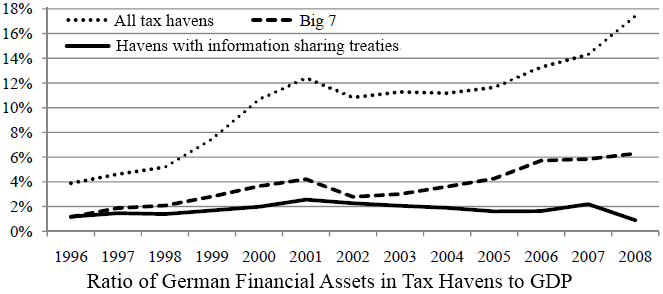
- Hiding assets or transfers in offshore accounts or opaque trusts to place them beyond reach.
- Using sham transactions, false invoices, or barter and non‑monetary exchanges to mask the real economic activity.
- Colluding with third parties to misstate withholding or payroll records.
Tax evasion is closely connected to the informal economy, where unrecorded cash transactions and undocumented work make enforcement harder. Authorities use audits, data matching, information sharing and intelligence led investigations to detect evasion; international cooperation has grown in response to cross‑border schemes. See also material on the informal sector and enforcement at related link.
Historically, attempts to avoid or evade taxation have existed alongside formal tax systems since states began levying regular taxes. Modern income and corporate taxes, the expansion of banking and global finance, and digital tools have changed both the techniques used by evaders and the means authorities use to counter them. Transparency initiatives, automatic information exchange and anti‑money‑laundering rules are among the responses developed in recent decades.
It is important to distinguish tax evasion from tax avoidance: evasion is illegal and involves deception, while avoidance arranges affairs within the law to reduce taxes. Consequences for evasion commonly include assessment of unpaid taxes, penalties, interest and in serious cases criminal prosecution and imprisonment. Policymakers debate the economic and ethical effects of evasion, its impact on revenue and fairness, and the best mix of enforcement, simplification and taxpayer services to improve compliance.
Mitigation and compliance measures
- Stronger reporting requirements and third‑party information.
- Improved cross‑border cooperation and data exchange.
- Targeted audits, whistleblower programs and technology for anomaly detection.
Related articles
Author
AlegsaOnline.com Tax evasion: illegal underreporting and concealment of taxable income Leandro Alegsa
URL: https://en.alegsaonline.com/art/96567