
Super Metroid
Super Metroid is a landmark Super NES action-adventure game (third in the Metroid series), praised for its atmospheric design, non‑linear exploration, and lasting influence on game design and communities.
Super Metroid is a 2D action-adventure adventure video game developed by Nintendo teams including R&D1 and Intelligent Systems and published by Nintendo for the Super NES. It is the third main entry in the Metroid series and continues the franchise's emphasis on exploration, item‑based progression and atmospheric presentation.
Image gallery
5 Images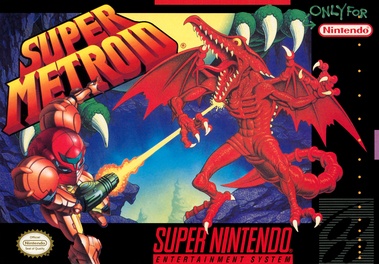


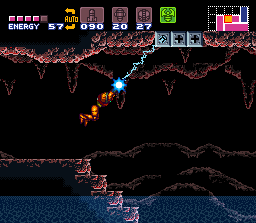
Gameplay
The player controls bounty hunter Samus Aran as she explores a single, large, interconnected planet. Progress through the map is gated by upgrades — new weapons, suit enhancements and tools — that allow access to previously unreachable areas. The design encourages careful mapping, backtracking and experimentation; secret rooms, save points and hidden caches reward observation and curiosity. Combat, platforming and puzzle solving are tightly integrated with the acquisition of abilities.
- Non‑linear exploration with interconnected areas.
- Ability‑gated progression and item discovery.
- Boss encounters and environmental puzzles that test movement and tactics.
Story and presentation
The narrative is concise and largely visual: atmosphere, enemy and level design, and the score convey mood and plot beats more than lengthy cutscenes. Themes of isolation, survival and the relationship between hunter and hunted are expressed through pacing and geography rather than exposition. This restrained storytelling contributes to immersion and player interpretation.
Development and release
Built to take advantage of the Super NES hardware, the title featured detailed pixel art, smooth animations and cinematic scene transitions for its era. It was released in the early 1990s and later reissued on Nintendo services and compilations, making it accessible to new generations while preserving the original experience.
Sound and atmosphere
The soundtrack and sound design play a key role in establishing tone: ambient tracks, sparse melodies and dramatic cues enhance exploration and heighten encounters. Audio complements visual design to create memorable, often tense moments that many players recall long after completing the game.
Reception and legacy
Critics and players widely praise the game for its level design, pacing and cohesive systems. It is frequently listed among the most influential video games and helped popularize the term used for similar titles blending exploration and ability‑based progression. Its influence is visible in modern indie and mainstream games that prioritize interconnected maps and rewarding discovery.
Community and continued relevance
Super Metroid has an active community around speedrunning, ROM research and modding. The game's open structure and sequence‑breaking potential made it a cornerstone of early speedrunning culture, while fans continue to study and celebrate its design. Scholarly and critical discussions often reference it when analyzing environmental storytelling and non‑linear level architecture.
Related articles
Author
AlegsaOnline.com Super Metroid Leandro Alegsa
URL: https://en.alegsaonline.com/art/95007