
Adventure game (video game genre)
A video game genre focused on exploration, puzzle solving and narrative. Adventure games range from text-based interactive fiction to point-and-click and modern story-driven experiences across PCs, consoles and mobile devices.
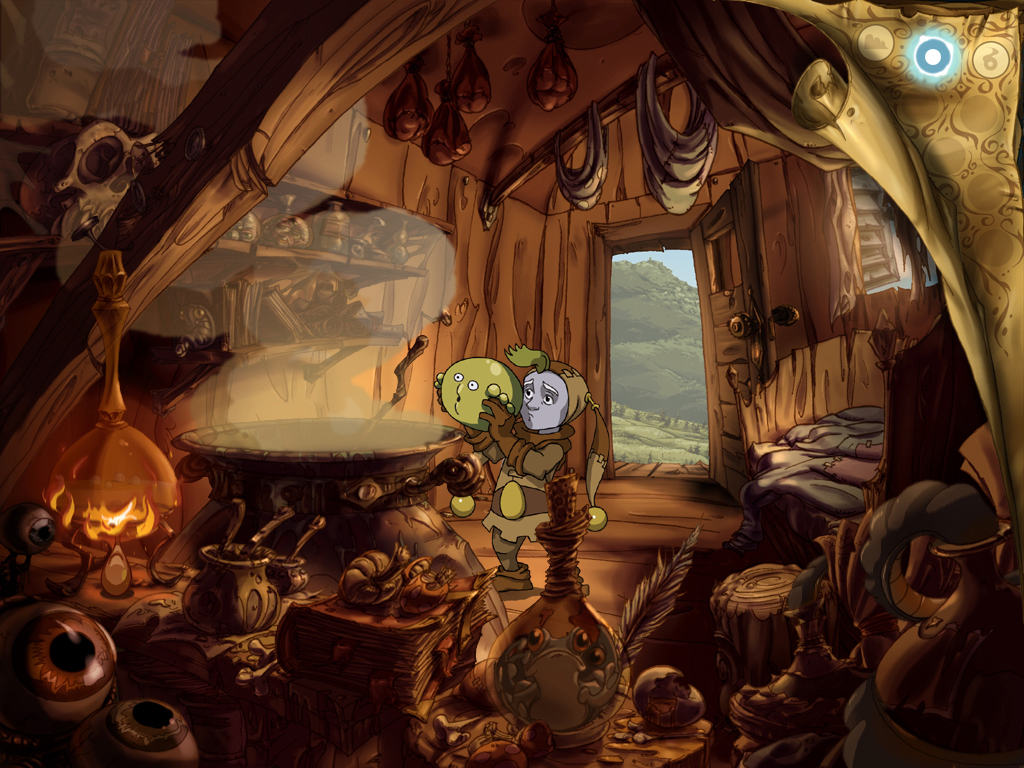
An adventure game is a class of video game that emphasizes exploration, problem solving and storytelling over fast reflexes. Players usually assume the role of a protagonist and progress by investigating environments, using or combining items, and interpreting clues to advance a plot. While some titles add combat or timed challenges borrowed from action games or beat 'em up styles, many adventures avoid fighting entirely and focus on puzzles and narrative choices.
Image gallery
7 Images




Typical elements and mechanics
Adventure games commonly present a coherent fictional world and a sequence of obstacles that must be overcome to move the story forward. Mechanics often include inventory management, object interaction, dialogue trees, and environmental puzzles. Control schemes vary: classic text adventures use a keyboard, many desktop titles are "point-and-click" with a mouse, and modern releases support gamepads and touch screens.
- Input methods: keyboard commands, mouse-driven cursors or touch gestures — for example, the mouse is central to many point-and-click interfaces (mouse).
- Puzzle types: inventory puzzles, logic puzzles, pattern recognition, and conversation puzzles that depend on selecting the right dialogue options.
- Narrative devices: branching dialogue, fixed linear scripts, or environmental storytelling conveyed without explicit text.
History and notable milestones
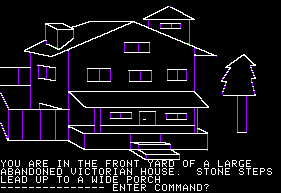
The genre traces back to the mid-1970s with early text-based works such as Colossal Cave Adventure and the Zork series, which used written descriptions rather than images to convey the world. During the 1980s and 1990s the form diversified into graphical adventures: companies like Sierra released the King's Quest and Quest for Glory series, while LucasArts produced humor-driven offerings such as the Monkey Island games. Brøderbund published visually rich titles like Myst, which showcased pre-rendered graphics and atmosphere. These titles established many conventions still seen in modern adventures.
Different projects and companies shaped the medium: some emphasized robust puzzles and tough problem solving, others foregrounded character and plot. Text-based interactive fiction evolved alongside graphical adventures; early text works frequently referred to the player as "you," and other in-game figures would address the protagonist — a relationship reflected in analysis of characters and perspective (other characters, the game's voice).
Subgenres and distinctions
Several subgenres exist within the adventure umbrella. Interactive fiction (text adventures) relies primarily on written commands and descriptions. Graphic or point-and-click adventures present scenes players click to interact with. Action-adventure hybrids combine exploration and puzzles with combat or platforming elements. More recent terms such as "walking simulator" describe titles that prioritize exploration and narrative over conventional puzzles. Platforms for adventure games include personal computers and dedicated consoles alike (consoles).
- Interactive fiction: text-first, parser-based input.
- Point-and-click / graphic adventure: visual scenes and mouse-driven interaction.
- Action-adventure: mixes puzzle solving with real-time combat or challenges.
Influence, examples and modern developments
Famous series that shaped expectations include Monkey Island and Sierra's King's Quest and Quest for Glory; the latter helped popularize story-driven home computer games. Studios such as LucasArts played a major role in combining cinematic storytelling and puzzles. The genre has experienced cycles of mainstream popularity and quieter periods; in recent years independent developers, digital distribution and crowdfunding have enabled a revival, producing both nostalgic reinventions and experimental narrative experiences.
Adventure games remain important for their emphasis on authorship, atmosphere and puzzles. They are used for entertainment, education and narrative experimentation, and continue to influence other genres that borrow their storytelling techniques. The form's adaptability—from early keyboard parsers to modern touch-driven interfaces—helps explain its persistent appeal across platforms and generations.
Author
AlegsaOnline.com Adventure game (video game genre) Leandro Alegsa
URL: https://en.alegsaonline.com/art/134137