
Nintendo Research & Development 1 (R&D1)
Nintendo R&D1 was the company’s first internal development unit, known for handheld innovations and game series such as Metroid and WarioWare, and for a pragmatic design philosophy.
Nintendo Research & Development 1, commonly called R&D1, was Nintendo’s original in-house development division that combined hardware engineering and software design. Operating across consumer electronics and video games, R&D1 produced early handhelds and a range of influential titles while advancing practical, low-cost design approaches.
Image gallery
3 Images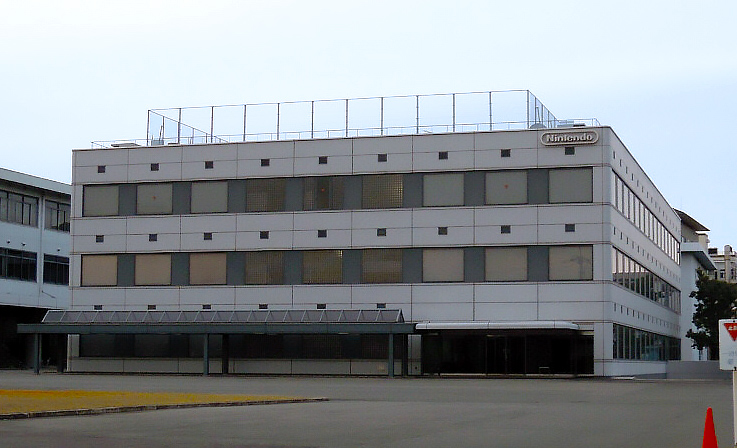


Characteristics and activities
R&D1 was notable for working on both hardware and software: teams designed simple, robust electronics and created games tailored to those platforms. The group emphasized clever solutions using mature, well-understood components rather than cutting-edge parts — a philosophy often associated with its long-time leader, Gunpei Yokoi. That approach produced compact consumer devices and gameplay-focused titles rather than high-end specifications.
Notable projects
- Handheld devices and early electronic games, including the Game & Watch line that helped popularize portable gaming.
- Major franchises and titles developed or initiated by the unit, such as Metroid and the experimental microgame series WarioWare.
- Various prototypes, peripherals and arcade conversions that explored new forms of interaction.
History and people
Formed during Nintendo’s early move into electronic entertainment, R&D1 became a place where designers and engineers collaborated closely. The team included prominent figures who influenced Nintendo’s creative direction; for example, Gunpei Yokoi is widely credited with shaping the group’s philosophy, and designers such as Yoshio Sakamoto contributed to its software output. Over time, the company reorganized its internal groups and R&D1’s functions were folded into newer development divisions as Nintendo evolved.
R&D1’s work left a lasting mark on Nintendo’s culture and product design. Its emphasis on gameplay-first thinking, economical engineering and small, original game concepts helped establish patterns that persisted across later Nintendo hardware and software teams.
For more on the corporate context and specific series, see Nintendo and titles referenced above. R&D1 is often cited in histories of video games as an example of a multidisciplinary studio that balanced hardware innovation with creative game design.
Related articles
Author
AlegsaOnline.com Nintendo Research & Development 1 (R&D1) Leandro Alegsa
URL: https://en.alegsaonline.com/art/70307