
Super Paper Mario
Super Paper Mario is a 2007 action-platform/RPG hybrid for the Wii that blends 2D paper aesthetics with 3D traversal, chapter-based storytelling, and puzzle-oriented level design.
Super Paper Mario is a 2007 video game published by Nintendo and developed by Intelligent Systems for the Wii console. Presented with a distinctive paper-style visual design, the game mixes platforming, puzzle solving, and light role-playing elements. It is the third major entry in the Paper Mario series and was originally planned for release on the GameCube before development shifted to the Wii platform.
Image gallery
4 Images
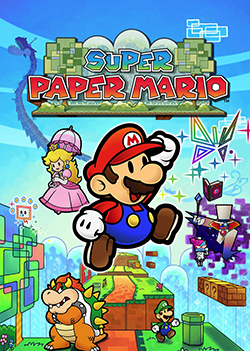


Gameplay and mechanics
The game departs from the turn-based combat of earlier Paper Mario titles and emphasizes side-scrolling platform action with exploration and environmental puzzles. A signature mechanic allows the player to rotate the camera and "flip" sections from 2D to 3D, revealing hidden paths and altering level geometry. Players control multiple characters, each with unique abilities that are required to progress through different obstacles and boss encounters.
Characters and progression
Main characters include Mario and several allies drawn from the Super Mario universe; each can be switched during play to exploit their strengths. While the title reduces the emphasis on traditional RPG systems, it retains light progression features such as health, upgrades, collectible items, and abilities that unlock new exploration options. Narrative and character interactions play a large role, with scripted scenes and chapter-based structure guiding the adventure.
Development and release
Development began as a continuation of the Paper Mario line but moved platforms during production. The change from the GameCube to the Wii influenced design choices, notably control schemes and camera use, to take advantage of the newer console's hardware and audience. For more information on the platform, see the console's overview: Wii platform details. Historical notes and developer context can be found via developer resources: developer information.
Reception and legacy
Critics and players often praised the title for its humor, inventive puzzles, and imaginative use of the paper theme, while some long-time fans noted the reduced focus on turn-based combat. The game's blend of genres influenced subsequent discussions about the Paper Mario series' direction and helped define a distinct identity within Nintendo's broader Mario franchise.
Notable features
- Paper aesthetic with layered 2D and 3D interactions.
- Ability to flip perspectives to solve puzzles and access hidden areas.
- Chapter-driven story that mixes platforming with light RPG mechanics.
- Multiple playable characters whose abilities shape exploration.
- Humorous writing and character moments that are hallmarks of the series.
Super Paper Mario stands as a distinctive entry that experimented with genre boundaries, offering players a mix of platforming challenges and narrative-driven progression while maintaining the whimsical, paper-themed presentation that defines the series.
Related articles
Author
AlegsaOnline.com Super Paper Mario Leandro Alegsa
URL: https://en.alegsaonline.com/art/95012
Sources
- nintendo.com : Wii.Nintendo.com - Super Paper Mario
- ca.ign.com : Super Paper Mario Review - IGN
- video-games.findthebest.com : How many copies of Super Paper Mario the video game were sold?