
Metroid (video game series)
Science-fiction action-adventure series from Nintendo starring bounty hunter Samus Aran, noted for exploratory 'Metroidvania' design and alien lifeforms called Metroids.
Overview
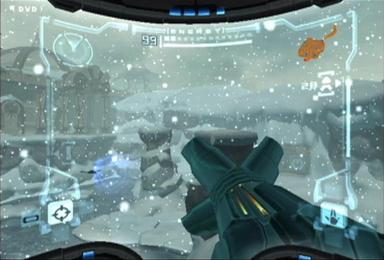
Metroid is a long-running series of science-fiction action-adventure games created and published by Nintendo. The games center on exploration, platforming and combat in alien environments, often emphasizing nonlinear progression, atmosphere and item-based gating. The player normally controls the interstellar bounty hunter Samus Aran, who explores derelict space stations, caverns and planets while confronting the parasitic organisms known as Metroids. For more on the franchise as a whole see series information and the publisher's pages at Nintendo.
Image gallery
3 Images

Origins and development
The first Metroid game was released in Japan in 1986 and introduced many of the elements that define the series: an isolated atmosphere, power-ups that open new areas, and a solitary protagonist. Early entries were developed by Nintendo's internal teams and later games involved additional studios and teams within Nintendo. Over time the franchise expanded into different gameplay formats, including 2D side-scrolling adventures and 3D first-person exploration titles; notable milestones and release contexts are discussed at regional release histories and in historical overviews like early release summaries.
Gameplay and design
Metroid games typically combine action, platforming and exploration with an emphasis on acquiring abilities that let the player backtrack to previously inaccessible areas. This design approach contributed to the popular label "Metroidvania," used for games that mix Metroid-style exploration with similar structure from other franchises. Core mechanics include environmental puzzles, map navigation, power-up progression, and a mix of ranged and melee combat. The series' pacing and map design reward careful observation, inventory management and replay.
Metroids: the fictional organisms
The series' namesake creatures, called Metroids, are fictional lifeforms that feature prominently in the stories and gameplay. They are often depicted as floating, jellyfish-like organisms that drain the life energy or vitality of other beings by attaching or latching on; in the games they serve as both dangerous enemies and a plot element. Metroids' appearance and behavior vary between entries, and they are commonly portrayed as a biological threat to be contained or studied. Game materials and in-universe descriptions provide more detail in dedicated entries such as creature dossiers and visual galleries like species art.
Notable entries and examples
- Early 2D titles that established the formula and introduced Samus and the Metroids; see original game notes.
- Later acclaimed installments that expanded narrative and technical scope; detailed developer notes are available at character and story and retrospective pages such as series retrospectives.
- Recent entries kept the franchise active with modern design while retaining classic exploration elements; contemporary coverage is archived at recent coverage.
Legacy and cultural impact
Metroid has had a lasting influence on video-game design, inspiring developers who value open-ended exploration and tightly crafted maps. The reveal that the protagonist Samus was female in the original game was an early example of subverting expectations about video-game heroes and contributed to discussions about representation. The franchise continues to be cited as a touchstone for atmosphere-driven action games and for the _Metroidvania_ approach embraced by many indie and mainstream titles.
Related articles
Author
AlegsaOnline.com Metroid (video game series) Leandro Alegsa
URL: https://en.alegsaonline.com/art/64243