
Super Smash Bros. (1999) — Nintendo crossover fighting game
Super Smash Bros. (1999) is the original Nintendo crossover fighting game for Nintendo 64, developed by HAL Laboratory and Nintendo. It introduced platform-based, knock-off-the-stage combat and a party-friendly roster.
Overview
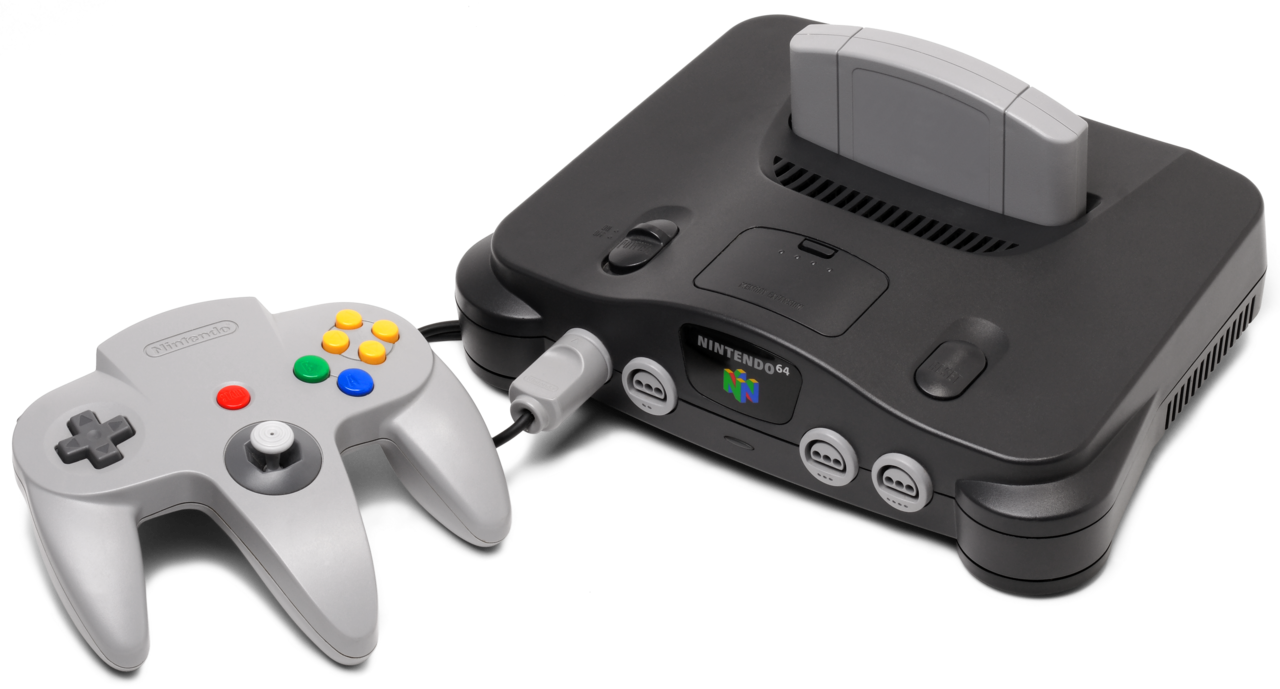
Super Smash Bros. is a crossover fighting game developed by HAL Laboratory and published by Nintendo for the Nintendo 64. Released in 1999, it brought together characters from multiple Nintendo series in a single combat arena. The title launched in Japan in January 1999 and later that year in North America and Europe. It is the first entry in the larger Super Smash Bros. (series), a franchise that grew to include sequels on later Nintendo platforms such as Melee, Brawl, the 3DS/Wii U releases, and Ultimate. The Japanese name of the original release is sometimes referenced as Nintendo All-Star! Dairantō Smash Brothers.
Image gallery
10 Images




Gameplay and mechanics
Unlike traditional fighting games that use health bars, Super Smash Bros. uses a damage-percentage system: as a character takes damage their percentage rises, increasing the knockback they receive from attacks. The primary objective is to send opponents beyond the stage boundary; matches are decided by the last fighter standing, by stock remaining, or by time limits, depending on the ruleset. The gameplay combines platforming and fighting mechanics, emphasizing stage control, positioning, and recovery techniques.
- Stages are themed after various Nintendo franchises and often include moving platforms, hazards, and stage-specific features.
- Items spawn during battles. Familiar items include healing and power-up items, throwable objects, and iconic Nintendo items such as mushrooms, hammers, and Poké Balls.
- Match types range from single-player challenges to local multiplayer free-for-all and team matches; later titles added online modes, but the original focused on local play.
- Controls are intentionally accessible: a small set of buttons performs normals and special moves, while directional inputs modify attacks for varied effects.
Roster and stages
The original game's roster assembled a selection of Nintendo characters from across its history, celebrating franchises such as Mario, Pokémon, and The Legend of Zelda-related titles. Notable playable characters included familiar faces like Mario, Link, Kirby, Fox, Samus, Pikachu and others who became mainstays of the series. Stages were likewise drawn from Nintendo properties, such as Mushroom Kingdom, Hyrule Castle, and other themed arenas that referenced the characters’ home games.
Single-player content and extras
The original package offered single-player goals and unlockables designed to extend replay value. Completing the single-player challenges unlocked additional characters, stages, and visual options. The game balanced a party-friendly approach with enough variety to reward exploration of the single-player offerings and experimentation with different characters and items.
Development and release
The concept began as an experimental project to put Nintendo characters together in a simple, approachable fighting format. Developers aimed for a lightweight control scheme and fast matches that would be suitable for casual gatherings, while layering mechanics that could be exploited by skilled players. The game's success on the Nintendo 64 led to sequels on subsequent Nintendo hardware including the GameCube, the Wii, the Nintendo 3DS and Wii U, and later the Switch release.
Years after its original release, the game was reissued on Nintendo digital services; for example it was made available on the Wii Virtual Console in Japan as part of retro re-releases celebrating classic Nintendo titles.
Audio, presentation, and design choices
Presentation blends nostalgic elements—character portraits, music themes, and stage visuals drawn from source games—with simplified menus and colorful, fast-paced matches. The soundtrack and sound effects borrow from original series themes and are reworked to fit the energetic pace of arena combat. Graphically, the game used the N64’s capabilities to present 3D arenas with animated stages while retaining a clear, readable display in multiplayer battles.
Legacy and competitive scene
Super Smash Bros. established a template that mixed accessible, party-friendly gameplay with hidden technical depth. The series spawned a large fanbase and eventually a competitive scene that focused on advanced movement, edge-guarding, and character-specific strategies. While later entries introduced online play, downloadable content, and third-party guest characters such as Sonic the Hedgehog and Solid Snake, the original remains notable for launching the concept and for its role in Nintendo's crossover storytelling.
Further reading and resources
For an overview of the franchise and links to detailed entries on later titles, consult the series hub: Super Smash Bros. (series). Developer information is available from HAL Laboratory and Nintendo, while platform pages provide context on the hardware: Nintendo 64, Melee, Brawl, the 3DS/Wii U editions, and Ultimate. Release and region details can be cross-referenced through official release notes such as the Japanese launch entry: Japanese release information. For collectors and players interested in digital availability, see references to services like the Virtual Console.
Developer and franchise references: HAL Laboratory, Nintendo, platform and release pages such as Nintendo 64, handheld and console follow-ups including the Nintendo 3DS and the Wii U, and notable character franchises like Mario and Pokémon, with later guest appearances exemplified by Sonic and Solid Snake.
Questions and answers
Q: What is Super Smash Bros?
A: Super Smash Bros. is a crossover fighting game made by HAL Laboratory and Nintendo for the Nintendo 64.
Q: When was it released?
A: It was sold in Japan on January 21, 1999, in North America on April 26, 1999, and in Europe on November 19, 1999.
Q: How many games are there in the series?
A: There are five games in the series - Super Smash Bros., Super Smash Bros. Melee for Nintendo GameCube, Super Smash Bros. Brawl for Wii, Super Smash Bros. for Nintendo 3DS and Wii U and Super Smash Bros Ultimate for Nintendo Switch.
Q: What characters can be controlled in the game?
A: Players can control characters from various video game series including Mario, Pokémon, The Legend of Zelda and others such as Ike, Marth, Zelda/Sheik, Kirby, Ganondorf Sonic the Hedgehog Solid Snake and Jigglypuff among others.
Q: How does this game differ from other fighting games?
A: This game differs from other fighting games as it has a unique set of rules that make it stand out from other fighting games.
Q: When did it become available on Virtual Console? A: It became available on Virtual Console in Japan on January 20th 2009 ten years after its initial release date for Nintendo 64
Related articles
Author
AlegsaOnline.com Super Smash Bros. (1999) — Nintendo crossover fighting game Leandro Alegsa
URL: https://en.alegsaonline.com/art/95022
Sources
- gamespot.com : "Super Smash Bros. for Nintendo 64"
- us.wii.com : "Iwata Asks: Super Smash Bros. Brawl"
- wii.com : "Iwata Asks: Super Smash Bros. Brawl"
- n-sider.com : "Super Smash Bros. Melee"
- gamespot.com : "Super Smash Bros. Review"
- ign64.ign.com : "Super Smash Bros. Review"
- cube.ign.com : "Famitsu Scores Smash Bros"
- metacritic.com : "Super Smash Bros. (n64: 1999): Reviews"
- gamerankings.com : "Super Smash Bros. Reviews"