
Thanksgiving (United States)
Annual U.S. holiday held on the fourth Thursday of November, commemorating harvest feasts, family gatherings, traditional foods, parades, and civic rituals; origins and meanings have evolved over centuries.
Thanksgiving in the United States is an annual national holiday held on the fourth Thursday of November. It is commonly described as a day for families and friends to gather, share a meal, and give thanks. The holiday blends colonial-era harvest celebrations with later national proclamations and modern civic traditions. For more general information see holiday overview.
Image gallery
10 Images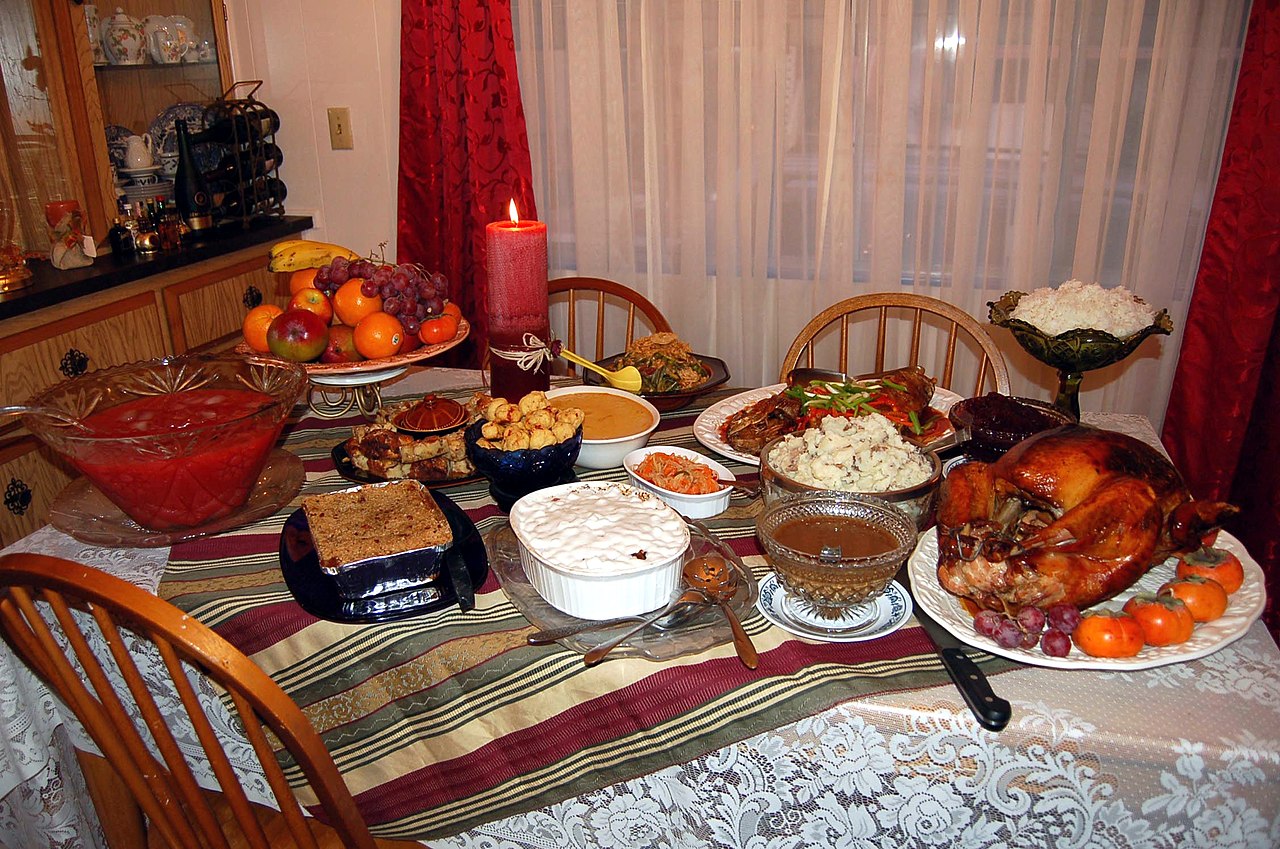




Origins and historical development
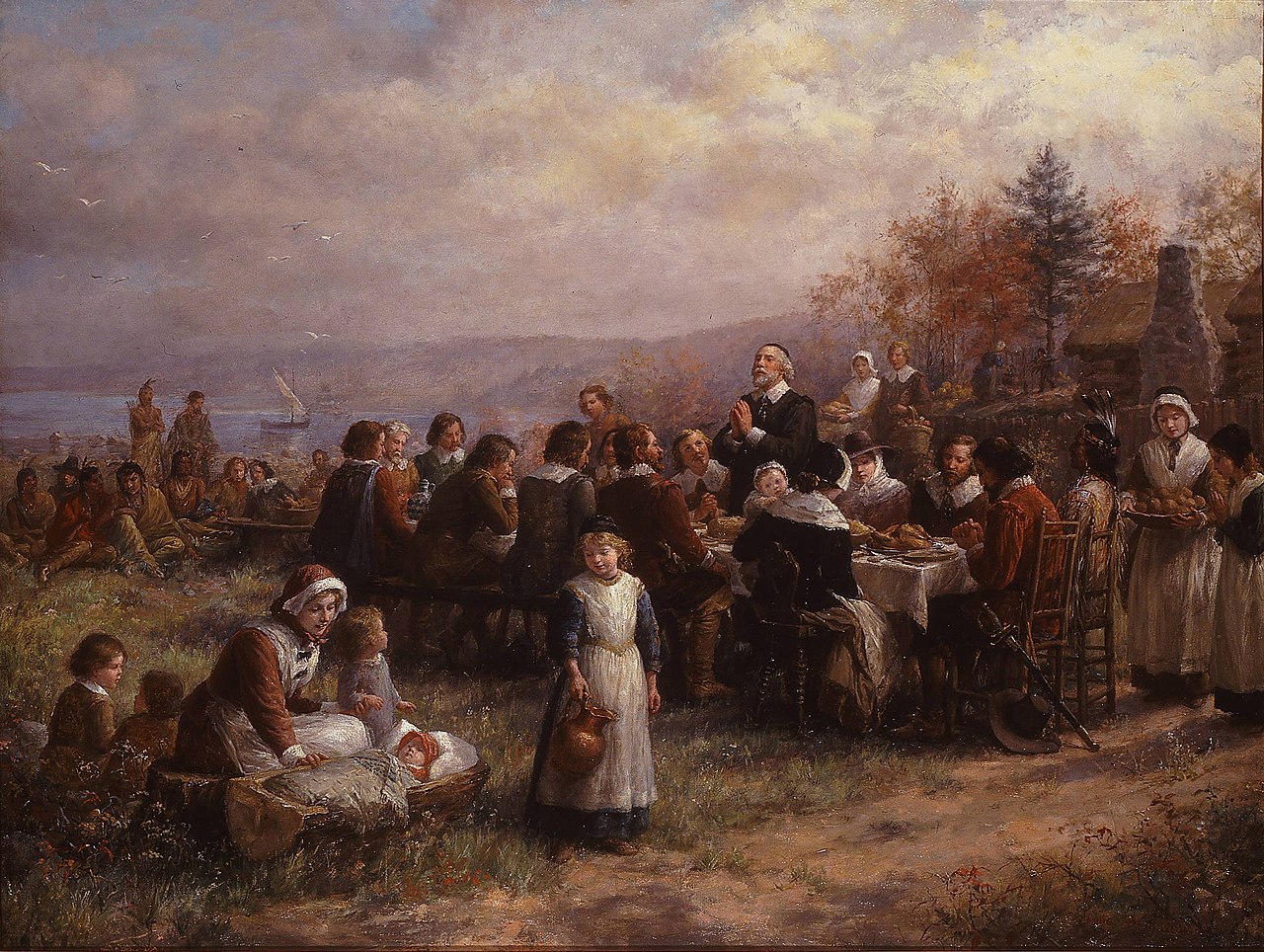
The roots of U.S. Thanksgiving are often traced to early 17th-century harvest gatherings involving English colonists (commonly called Pilgrims) and Indigenous peoples such as the Wampanoag. Over time, regional thanksgiving observances occurred at different dates. In the 19th century a campaign to make Thanksgiving a national holiday gained momentum, and President Abraham Lincoln proclaimed a national day of thanksgiving during the Civil War era. In the 20th century the date was standardized by federal law to the fourth Thursday of November.
Common traditions and elements
Typical Thanksgiving practices include hosting or attending a festive meal, travel to be with relatives, and public events. Traditional foods often served are:
- Roast turkey, frequently accompanied by stuffing
- Cranberry sauce, mashed potatoes, and gravy
- Pumpkin pie and other autumn desserts
Other widespread features are televised parades (notably large city parades established in the early 20th century), college and professional football games, volunteering at soup kitchens, and the commercial shopping day known as Black Friday that follows the holiday.
Meaning, controversy, and alternative observances
Thanksgiving carries multiple meanings: for many it is primarily a secular family holiday and a time of gratitude; for others it has religious or civic significance. At the same time, the holiday's origin story and its portrayal of early colonial–Native American relations are contested. Some Indigenous groups and allies mark the day as a time of mourning or reflection and observe alternative commemorations to highlight histories often omitted from popular narratives.
Notable facts and modern practices
In contemporary practice, Thanksgiving is a major travel period in the United States, one of the busiest times for domestic transportation. Informal and ceremonial customs include the annual presentation of a live domestic turkey to the president and a light-hearted "pardon" that has become part of public ritual. States and communities may add their own local flavors and variations to the holiday.
As a cultural institution, Thanksgiving continues to evolve: it combines food, family, public spectacle, volunteerism, and debate about historical memory, making it both a widely observed national ritual and a focal point for discussions about identity and history in the United States.
Related articles
Author
AlegsaOnline.com Thanksgiving (United States) Leandro Alegsa
URL: https://en.alegsaonline.com/art/97412