
The Twelve Days of Christmas (Christmastide and Twelvetide)
A concise overview of the Twelve Days of Christmas: its liturgical timing, historical background, common customs and regional variations, and cultural influence including the familiar carol.
Overview
The Twelve Days of Christmas, also called Christmastide or Twelvetide, are the festive span that traditionally begins on Christmas Day (25 December) and extends through the period that culminates with the Feast of the Epiphany (6 January). The evening of 5 January is commonly known as Twelfth Night; whether that evening is counted as the twelfth day or the twelfth night depends on different liturgical and popular practices. The season blends religious observance with a variety of folk customs and civic celebrations.
Image gallery
5 Images


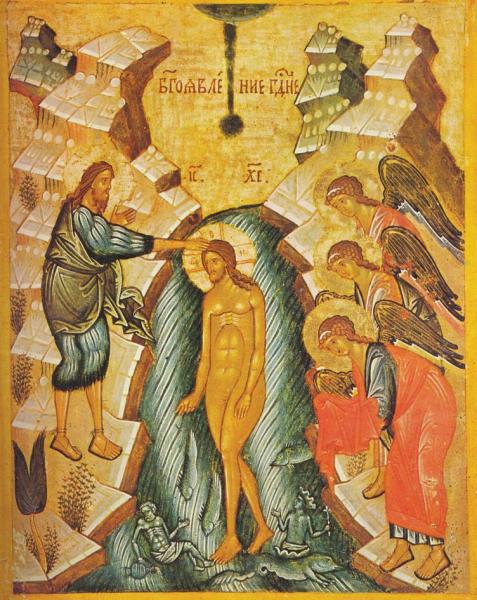
Liturgical timing and distinctions
The precise boundaries and emphasis of the Twelve Days have varied across history and between communities. Different churches and sects and national traditions place the principal celebrations on slightly different dates: for example, St. Stephen's Day (known in some countries as Boxing Day) is usually observed on 26 December in Western churches, while related commemorations can fall on other dates in Eastern rites. The Feast of the Innocents (Childermas) is traditionally kept on 28 December. In many places Epiphany (6 January) or its evening (Twelfth Night) marks the end of the season, though some communities extend celebrations to the Baptism of the Lord or other post-Epiphany observances.
Common customs and practices
Customs linked to the Twelve Days are diverse and often regional. Practices include:
- Gift-giving: some families exchange presents on Christmas Day, others on Twelfth Night or Epiphany, and some cultures distribute gifts on each of the twelve days.
- Feasting, house visits and hospitality: prolonged visiting between households, sharing seasonal foods and communal meals.
- Caroling, wassailing and public pageants: musical and dramatic presentations that reflect local folklore and biblical themes.
- Religious observance: additional masses, special prayers, and rites associated with the Nativity and the Epiphany (the visit of the Magi).
History and development
The idea of an extended festive period around Christmas has roots in early medieval Christianity, when feasts and fasts were organized into seasons. Over centuries, local customs, royal courts and parish life shaped how the twelve days were celebrated. In secular culture the interval acquired layers of folk ritual, such as mumming plays, wassail bowls and gift rituals, which sometimes mixed Christian symbolism with older seasonal traditions.
Cultural influence and the carol
The phrase "Twelve Days of Christmas" entered wider popular awareness in part through the cumulative English carol of the same name. The song, which enumerates a progressive set of gifts given over the twelve days, survives in many variants and is associated in popular imagination with the season. Its precise origin and original meaning are debated; printed and oral versions date back several centuries and the familiar English text was solidified in the modern era. The carol has helped keep attention on the question of when gifts should be exchanged during Christmastide.
Variations and notable facts
How the twelve days are used continues to differ: some communities concentrate observance in public worship, others emphasize family rituals or tourist-oriented festivities. The season provides a bridge between Christmas and Epiphany, linking nativity commemoration with the wider story of revelation and gift-bringing. For further reading on denominational calendars and cultural customs see resources about Christianity, historical surveys of Christmas customs and accounts of the carol itself such as the song "The Twelve Days of Christmas".
Note: Practices described here are general; particular traditions vary by country, denomination and community.
Questions and answers
Q: What are the Twelve Days of Christmas?
A: The twelve days of Christmas are the festive days that begin on Christmas Day (25 December).
Q: What is another name for the Twelve Days of Christmas?
A: The Twelve Days of Christmas are also known as Christmastide and Twelvetide.
Q: When is the Twelfth Night of Christmas?
A: The Twelfth Night of Christmas is always on the evening of 5 January.
Q: What is the Twelfth Day of Christmas?
A: The Twelfth Day of Christmas can either be before or follow the Twelfth Night depending on which Christian tradition is followed.
Q: What follows Twelfth Night?
A: Twelfth Night is followed by the Feast of the Epiphany on 6 January.
Q: Are the first day of Epiphany and the twelfth day of Christmas the same in some traditions?
A: Yes, in some traditions, the first day of Epiphany (6 January) and the twelfth day of Christmas are the same.
Q: How have different churches and sects of Christianity changed the Christmas traditions over the centuries?
A: Differing churches and sects of Christianity have changed the actual traditions, time frame and their interpretations over the centuries. For example, St. Stephen's Day (or Boxing Day) is celebrated on 26 December in the Western Church and 27 December in the Eastern Church. 28 December is Childermas or the Feast of the Innocents.
Related articles
Author
AlegsaOnline.com The Twelve Days of Christmas (Christmastide and Twelvetide) Leandro Alegsa
URL: https://en.alegsaonline.com/art/99016
Sources
- crivoice.org : "The Twelve Days of Christmas"
- holytrinitygerman.org : "The Customs of Christmastide: The Twelve Days of Christmas"