
Substantia nigra: structure, function, and clinical importance
The substantia nigra is a midbrain nucleus essential for movement control and reward, notable for dopamine-producing neurons and its degeneration in Parkinson's disease.
Overview
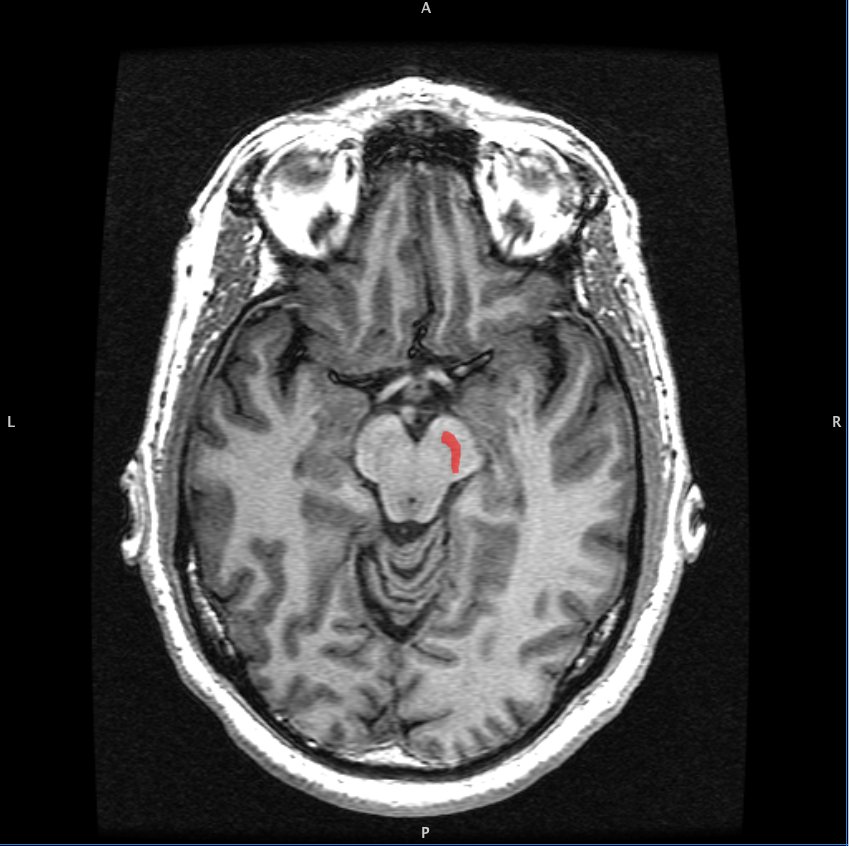
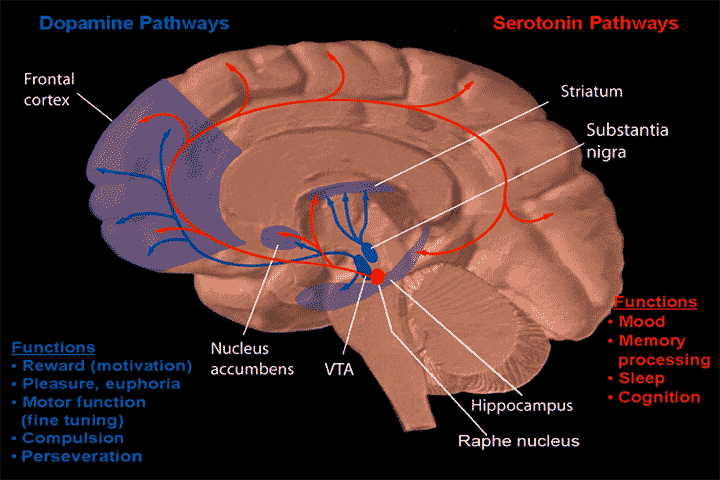
The substantia nigra is a paired nucleus located in the ventral portion of the midbrain. It forms a crucial component of the basal ganglia circuitry and contains neurons that synthesize dopamine, a neurotransmitter important for motor control, motivation and reward. It is often mentioned in relation to the pathogenesis of Parkinson's disease, a disorder characterized by progressive movement impairment.
Image gallery
7 Images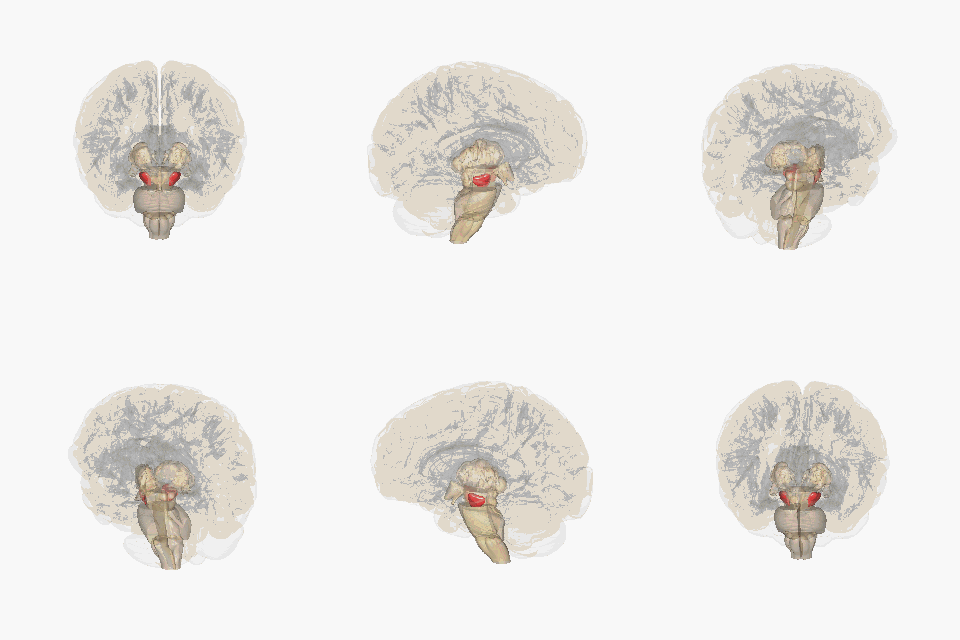



Structure and characteristics
Anatomically the substantia nigra is subdivided into two main parts: the pars compacta and the pars reticulata. The pars compacta houses densely packed, pigmented dopamine-producing neurons; their dark appearance arises from neuromelanin. The pars reticulata contains more sparsely pigmented, GABAergic neurons and serves as an output relay to other basal ganglia and thalamic nuclei. The region receives input from the cortex and striatum and projects back to the striatum and other motor-related areas.
Functions
The substantia nigra contributes to several neural processes, notably:
- Regulation of voluntary movement and motor planning through dopaminergic modulation.
- Influence on reward, reinforcement and certain aspects of cognition.
- Integration of signals within basal ganglia loops that balance excitation and inhibition of motor pathways.
Role in disease and clinical relevance
Loss of dopaminergic neurons in the pars compacta is a hallmark of Parkinsonian syndromes; symptoms include bradykinesia, rigidity and tremor. Degeneration often accompanies accumulation of abnormal protein aggregates (Lewy bodies) in affected cells. Treatment approaches that target substantia nigra dysfunction include pharmacologic dopamine replacement (for example L-DOPA), neurosurgical interventions such as deep brain stimulation, and ongoing research into neuroprotective strategies.
History, research and notable facts
Descriptions of the substantia nigra date back to early neuroanatomical studies that noted its distinctive pigmentation. Modern imaging and biochemical methods have clarified its role in motor disorders and motivated large bodies of research into degeneration, genetics and therapy. It is studied both as a model for selective neuronal vulnerability and as a target for interventions to restore motor function.
Further reading and resources
For introductory context see general resources on the brain and basal ganglia. Reviews of dopamine systems and motor control provide functional background, while dedicated literature covers the mechanisms linking substantia nigra pathology to movement disorders and ongoing clinical trials. Additional overviews and primary studies are available via specialist collections and repositories referenced in scientific databases linked to dopamine research and clinical neurology reports.
Related articles
Author
AlegsaOnline.com Substantia nigra: structure, function, and clinical importance Leandro Alegsa
URL: https://en.alegsaonline.com/art/94520