
Suina (suiform mammals)
Suina, or suiforms, are a suborder of even-toed ungulates including pigs and peccaries. They are generally non-ruminant omnivores with tusk-like canines and long ecological and cultural ties to humans.
Suina, often called suiforms, form a distinct suborder of Artiodactyla (even-toed ungulates) that includes modern pigs, hogs and peccaries together with many extinct relatives. They are widely regarded as one of the more archaic lineages among living artiodactyls, retaining a mixture of conservative anatomical traits and adaptations to varied diets and habitats.
Image gallery
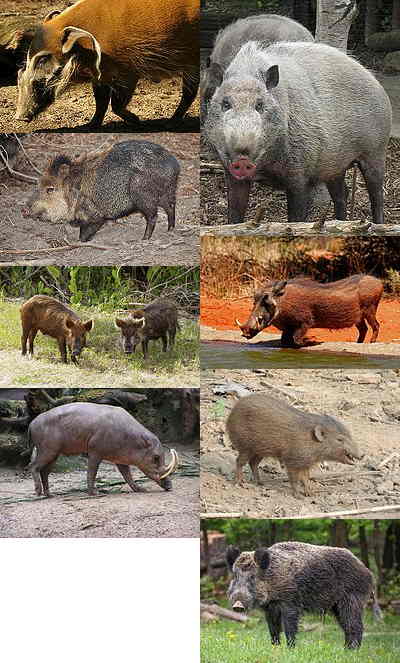
8 Images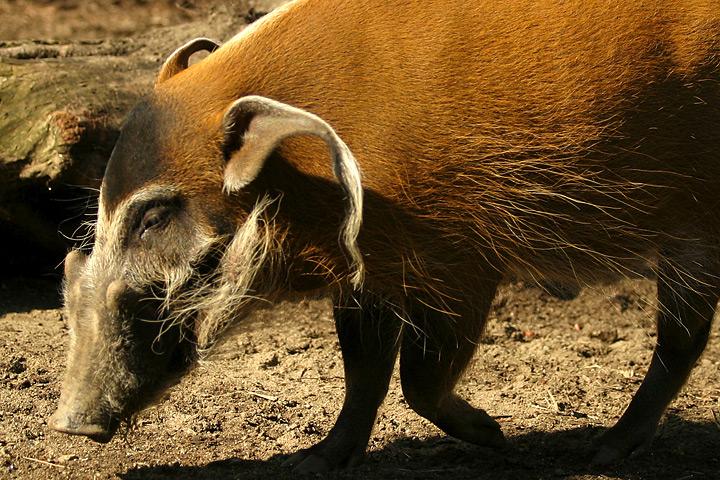



Characteristics
Suines typically have compact, barrel-shaped bodies, simple (non-ruminant) stomachs and dentition suited to omnivory. Large canine teeth in many species curve outward and grow into tusks used in display, combat and rooting. Limbs bear an even number of toes, with two main weight-bearing digits on each foot. Behaviour ranges from solitary to strongly social; many species form stable groups that aid in foraging and defence.
Taxonomy and evolution
The living suborder is usually split into two families: Suidae (true pigs, including the domestic pig derived from wild boar) and Tayassuidae (peccaries, native to the Americas). Fossil records show early suines by the Oligocene, with considerable diversification through the Neogene. Their overall anatomy preserves features thought to resemble early artiodactyl ancestors while also showing regional specializations.
Ecology and behaviour
Suines occupy forests, scrublands and grasslands. Rooting and wallowing behaviour affects soil turnover, seed dispersal and vegetation structure. As opportunistic feeders they consume plant material, invertebrates and small vertebrates; they are also prey for large carnivores but can be aggressive when threatened. Some species play important roles as ecosystem engineers.
Domestication and human uses
The domestic pig is among the earliest and most widespread livestock species, important for meat production, research and cultural practices worldwide. Wild suids have long been hunted for food and hides; they also influence agriculture when feral populations damage crops.
Conservation
Threats to wild suines include habitat loss, hunting, disease and hybridization with feral domestic pigs. Island endemics and range-restricted species are particularly vulnerable. Conservation measures combine habitat protection, population management and biosecurity to limit disease spread and genetic mixing.
Examples
- Wild boar (Sus scrofa) — ancestor of the domestic pig
- Domestic pig (Sus scrofa domesticus)
- Collared peccary (Pecari tajacu)
- Visayan warty pig (Sus cebifrons) — an endangered island suid
Related articles
Author
AlegsaOnline.com Suina (suiform mammals) Leandro Alegsa
URL: https://en.alegsaonline.com/art/94675