
Suicide prevention: strategies, risk factors, and community approaches
Overview of suicide prevention: goals, common strategies (means restriction, treatment, crisis response), risk and protective factors, community roles, and notable policy and program approaches.
Overview
Suicide prevention refers to coordinated actions and programs designed to reduce the occurrence of suicide and to help people who are experiencing thoughts of suicide or self-harm. It is a public health priority that brings together clinical care, community supports, policy measures and education. Prevention efforts aim both to avert immediate crises and to address longer-term causes such as untreated mental illness, social isolation, and stressful life circumstances.
Image gallery
10 Images

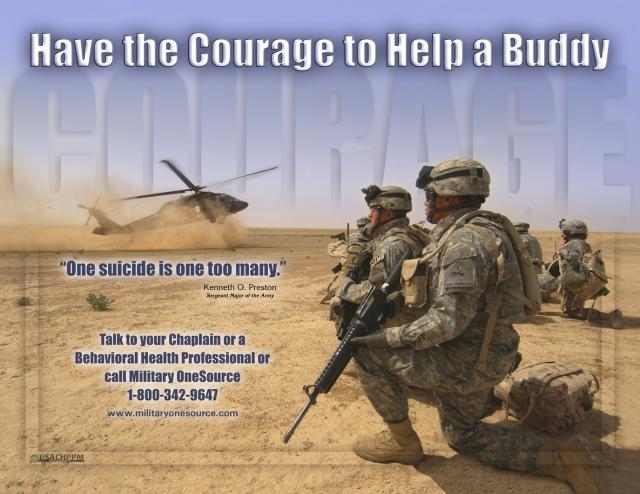


Risk and protective factors
Risk factors that increase the likelihood of suicidal behavior include mood disorders, substance misuse, a history of previous attempts, chronic pain or serious illness, major losses, and access to lethal means. Protective factors reduce risk and include strong personal relationships, effective mental health care, problem-solving skills, cultural or religious beliefs that discourage suicide, and easy access to crisis support.
Core prevention strategies
Prevention approaches operate at different levels and often work in combination. Common strategies include:
- Means restriction: reducing access to common methods of suicide (for example through safe storage of medications and firearms) is one of the most evidence-supported ways to lower suicide deaths.
- Recognition and treatment of mental health conditions: timely diagnosis, evidence-based therapies, and medications when appropriate can lessen suicidal thinking linked to depression, anxiety and psychosis.
- Gatekeeper training and community education: training family members, teachers, primary care providers and peers to recognize warning signs and connect people to help.
- Crisis services and lines: 24/7 crisis hotlines, text and chat services, and emergency psychiatric services provide immediate support and triage for people in acute danger.
- Postvention: support for communities and families after a suicide to reduce contagion and provide grief care.
Clinical and crisis response
When someone is in immediate danger, emergency evaluation and rapid access to safe care are critical. Clinicians assess risk, remove or limit access to lethal means, and create a safety plan that includes specific coping strategies and contacts. Crisis lines and mobile crisis teams offer short-term intervention; they also link people to ongoing treatment. For more general information and resources, see national resources; for immediate coping tools and crisis support, see crisis support.
Community role, policy and history
Community-based prevention efforts range from school programs to workplace training and public awareness campaigns. Many countries and regions have national or local suicide prevention strategies to coordinate services, monitor trends and set priorities. In the United States, a national strategy has helped guide program development and research since the early 2000s. Effective policy measures often include funding for mental health services, restrictions on access to high-risk methods, and support for research and data collection.
Distinctions and important considerations
Suicide prevention is distinct from broader mental health promotion, though they overlap. Interventions can be universal (targeting whole populations), selective (aimed at high-risk groups), or indicated (for individuals showing warning signs). Respectful language, confidentiality, culturally appropriate care and involving trusted community members improve engagement. Timely, compassionate responses can save lives and connect people to hope and recovery.
Questions and answers
Q: What is suicide prevention?
A: Suicide prevention refers to efforts made by mental health doctors, nurses, psychologists, and local organizations to stop people from attempting suicide.
Q: What are some ways to stop people from attempting suicide?
A: Various methods can be used to prevent suicide, such as stopping people who are about to attempt suicide, treating depression symptoms, providing support during crisis, reducing suicide risk factors, and fostering hope for a better future.
Q: Is suicide prevention only a medical or mental health issue?
A: No, suicide prevention also involves making sure people have support from friends and family and eliminating access to dangerous items.
Q: Is there a national suicide prevention strategy in the United States?
A: Yes, the Department of Health and Human Services created a National Strategy for Suicide Prevention in 2001.
Q: Who is involved in suicide prevention efforts?
A: Mental health professionals, such as doctors and nurses, psychologists, local organizations, as well as friends and family members can play crucial roles in preventing suicide.
Q: Are there different types of suicide prevention messages?
A: Yes, suicide prevention messages can be aimed at individuals or entire communities.
Q: What are some specific ways to reduce suicide risk factors?
A: Some methods for reducing suicide risk factors include improving access to mental health care, addressing substance abuse, reducing stigma and promoting open discussion about mental health, and improving economic and social conditions.
Related articles
Author
AlegsaOnline.com Suicide prevention: strategies, risk factors, and community approaches Leandro Alegsa
URL: https://en.alegsaonline.com/art/94666
Sources
- maine.gov : "Maine Suicide Prevention Website"
- medterms.com : "Suicide prevention definition - Medical Dictionary definitions of popular medical terms easily defined on MedTerms"
- sprc.org : "National Strategy for Suicide Prevention"
- ncbi.nlm.nih.gov : "Suicide Prevention: at what level does it work?"
- who.int : "Preventing Suicide - A Resource for Primary Health Care Workers"
- surgeongeneral.gov : The Surgeon General's Call To Action To Prevent Suicide 1999
- books.google.com : books.google.com/books?id=3fDGLWQtwFkC&pg=PA510&dq=suicide+screening&hl=en&ei=fYl1TsewCqb…
- doi.org : 10.1192/bjp.bp.110.083592
- pubmed.ncbi.nlm.nih.gov : 21525521
- emedicine.medscape.com : "Depression and Suicide Andrew B. Medscape"
- ncbi.nlm.nih.gov : "Depression Care in the United States: Too Little for Too Few"
- doi.org : 10.1001/archgenpsychiatry.2009.168
- pubmed.ncbi.nlm.nih.gov : 20048221
- doi.org : 10.1176/appi.ajp.159.6.909