
Strategic Defense Initiative (SDI) — U.S. ballistic missile defense program
A U.S. program announced in 1983 to research space- and ground-based defenses against ballistic missile attack. Known as SDI or “Star Wars,” it shaped later missile-defense efforts and Cold War policy.

Overview
The Strategic Defense Initiative (SDI) was a U.S. research and development effort publicly announced by Ronald Reagan on March 23, 1983. Often called the Strategic Defense Initiative or popularly nicknamed "Star Wars," the program aimed to reduce vulnerability to long-range nuclear ballistic missiles launched against the United States by pursuing active defenses rather than relying solely on the doctrine of mutual assured destruction (MAD).
Image gallery
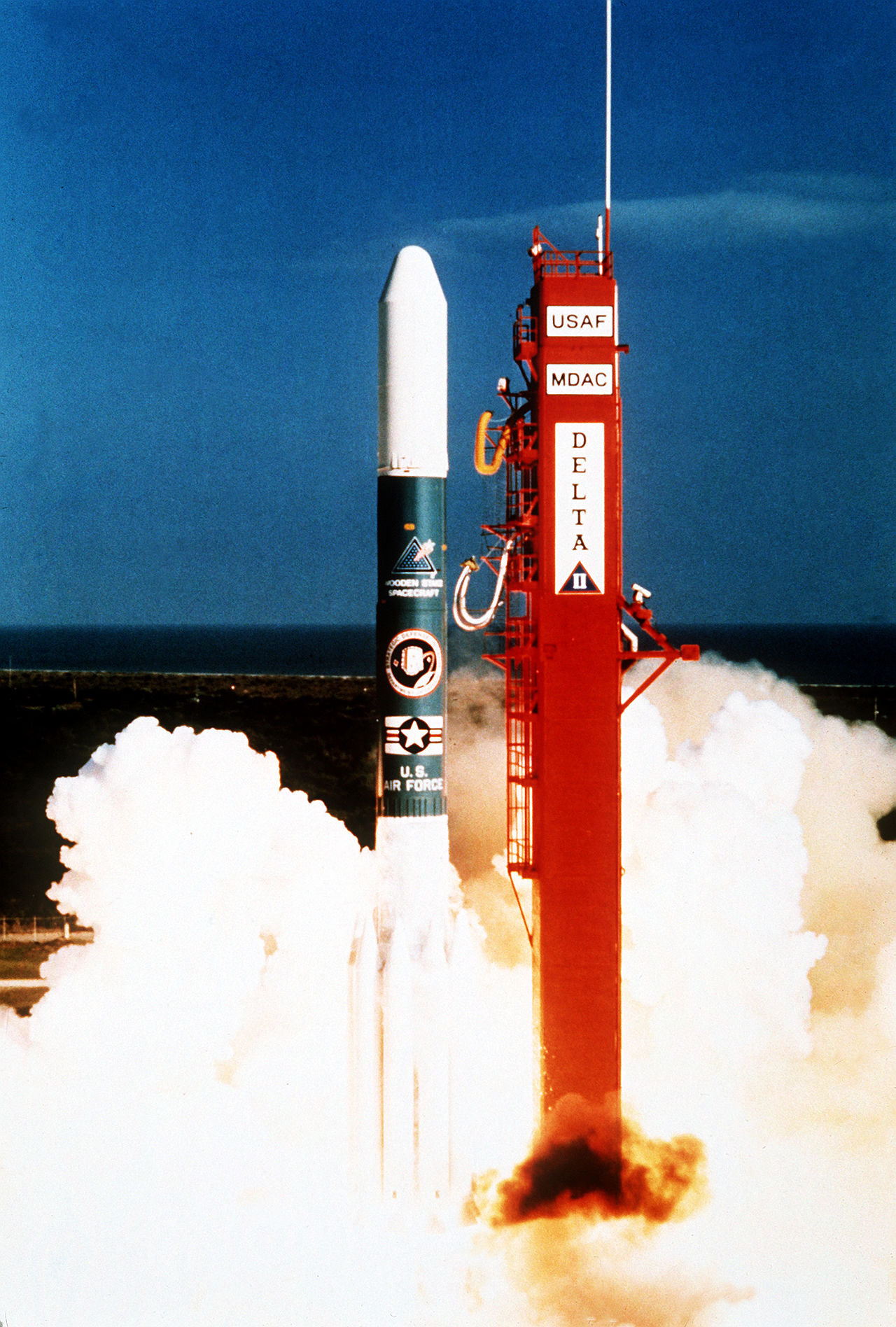
10 Images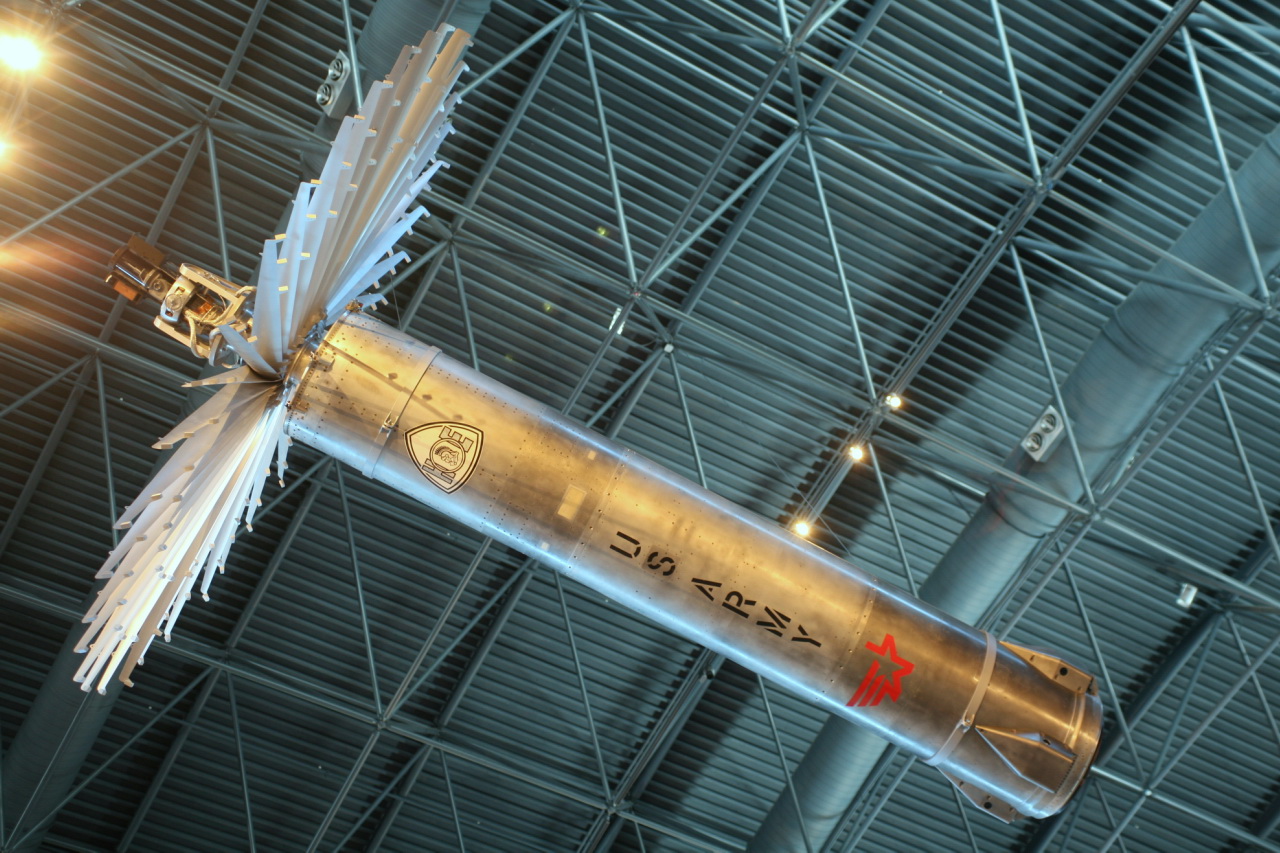




Intended characteristics and components
SDI proposed a multi-layered architecture that combined sensors, interceptors and command systems. Elements explored or proposed included:
- Space-based systems such as interceptor platforms or directed-energy weapons to engage missiles during boost phase.
- Ground-based systems including long-range radar, tracking stations and kinetic interceptors to defeat reentry vehicles in midcourse or terminal phases.
- Advanced sensors, computing and command-and-control networks to detect launches and cue defensive weapons.
- Research into high-energy lasers, particle beams, and high-speed kinetic kill vehicles.
History and development
The announcement in 1983 launched a large research program across government laboratories, universities and industry. SDI was primarily a research effort rather than a single deployable weapon; many technologies were immature and required extensive testing. Over time the program evolved, was reorganized and its focus narrowed; successor organizations continued selected programs under different names and structures.
Reception and legacy
SDI generated intense debate. Supporters argued it could protect populations and alter nuclear stability by making a large-scale strike less certain. Critics questioned technical feasibility, cost, and the compatibility of space-based defenses with existing arms-control agreements. The program influenced diplomatic discussions with the Soviet Union and stimulated advances in radar, sensors and interceptor technologies that informed later missile-defense efforts such as ground-based interceptors, shipborne systems and theater defenses.
Notable distinctions
SDI is notable as a Cold War-era effort to shift strategy from passive deterrence toward active defense. Its bold vision accelerated research in several fields, even as many original concepts proved technologically or politically challenging. The initiative remains an important episode in the history of missile defense, national security policy and the interaction between scientific research and strategic decision-making.
Related articles
Author
AlegsaOnline.com Strategic Defense Initiative (SDI) — U.S. ballistic missile defense program Leandro Alegsa
URL: https://en.alegsaonline.com/art/94190
Sources
- fas.org : Missile Defense Milestones