
Stile (rural footpath crossing)
A stile is a simple structure that allows people to cross fences or walls on footpaths while keeping livestock contained. Types, history, legal context, accessibility and alternatives are explained.
Overview
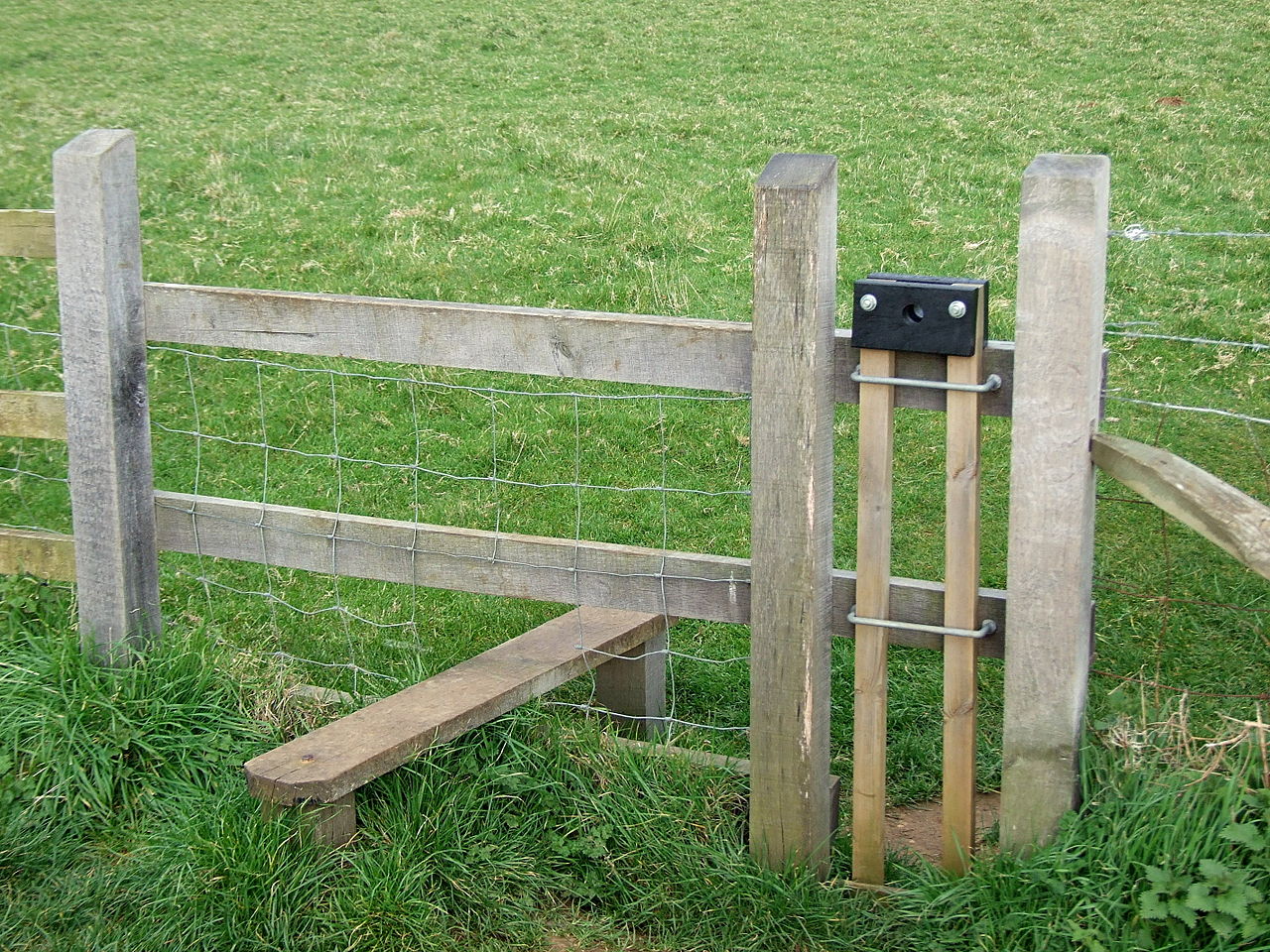
A stile is a small, purpose-built structure that enables pedestrians to cross a fence, wall or boundary without opening it. Stiles are commonly placed where a public right of way passes through land grazed by livestock. They provide a means for walkers to pass while reducing the risk that animals will escape — a role sometimes fulfilled instead by a gate. By design a stile is usually simple, inexpensive and durable, but it is not universally accessible.
Image gallery
10 Images




Types and characteristics
Stiles come in several basic forms. Common varieties include:
- Step stile: one or two steps built into or beside a fence or wall to help a person climb over.
- Ladder stile: a set of rungs like a short ladder, used where the fence is tall.
- Squeeze stile: a narrow gap in a wall that people can pass through but animals cannot.
- Turnstile or stile with handrail: provides extra support on steep or uneven ground.
Materials are typically wood or stone, matching local styles and the type of boundary. Good stiles are stable, well fixed and free from sharp edges or splinters; they are intended for occasional pedestrian use, not heavy loads.
History and legal context
The use of stiles grew with the development of public footpaths and rural recreation. In places with established rights of way, such as the United Kingdom, stiles are a traditional solution to reconcile public access with agricultural needs. Landowners, local authorities and rights-of-way officers share responsibilities for maintaining access; policies vary by jurisdiction and there is an ongoing preference in many areas to replace stiles with accessible alternatives where practical.
Accessibility, alternatives and etiquette
Stiles often present difficulties for people with mobility impairments, for those pushing prams, or for cyclists. A common alternative is the kissing gate, which allows a single person to pass but keeps animals in. Where accessibility is required, gates with self-closing mechanisms are preferred. When using a stile, walkers should follow basic etiquette: leave gates as found, assist other users if needed, manage dogs so livestock are not disturbed, and report damaged or unstable crossings to the responsible authority.
Maintenance and safety
Regular inspection helps prevent accidents: rotting timber, loose fixings or hidden trip hazards should be repaired promptly. On steep or wet ground, extra care is advised; use handholds where provided and take off heavy backpacks if crossing is awkward. While stiles are a small element of rural infrastructure, their design and upkeep affect both countryside access and animal welfare, so thoughtful placement and durable construction matter.
Related articles
Author
AlegsaOnline.com Stile (rural footpath crossing) Leandro Alegsa
URL: https://en.alegsaonline.com/art/93931