
Steropodontidae: Early Cretaceous monotremes of Australia
Steropodontidae is an extinct family of early monotremes known from Early Cretaceous Australian fossils; important for understanding the origins and diversity of egg‑laying mammals.
Steropodontidae is an extinct family of early monotremes known from fragmentary fossils recovered in Australia. These animals lived during the Early Cretaceous and are among the oldest members of the monotreme lineage, the group that today includes the platypus and echidnas. The fossils provide direct evidence that egg‑laying mammals were present in Gondwana tens of millions of years ago.
Image gallery
9 Images
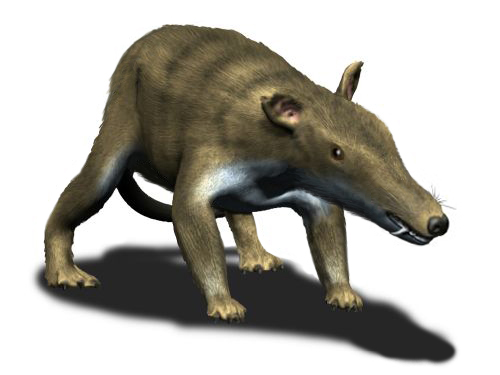


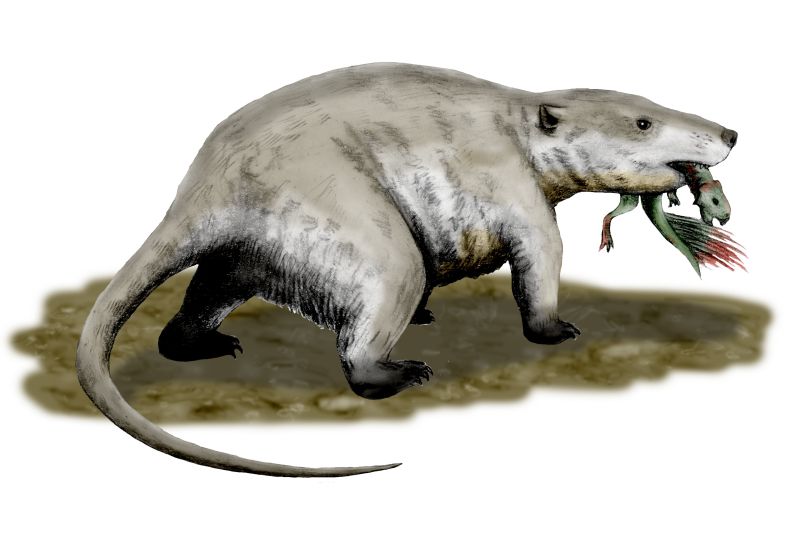


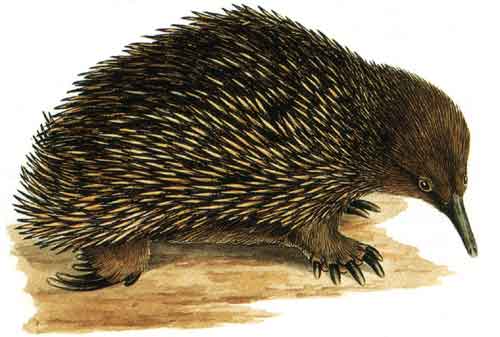
Key characteristics
Known material for steropodontids is limited, but preserved parts show features typical of basal monotremes rather than modern species. Fossils include jaw fragments bearing complex teeth, indicating that these early monotremes retained functional dentition as adults. Their tooth morphology differs from that of living monotremes (which lack adult teeth) and suggests varied feeding habits.
Fossil record and discovery
Most steropodontid remains were discovered in opalised deposits and other Cretaceous sediments in eastern Australia. Because discoveries are fragmentary, much of the family’s anatomy and diversity remains uncertain. The best known specimens come from opal fields where ancient river and floodplain deposits preserved teeth and jaw bones in exceptional detail.
Significance and relationships
Steropodontidae are important for reconstructing early monotreme evolution. They confirm that monotremes had already diverged from other mammal groups by the Early Cretaceous and that early members retained teeth and a more generalized jaw structure. Taxonomic boundaries around steropodontids and closely related genera have been debated; some fossil genera from the same deposits have been placed near or outside the family in alternative classifications.
Paleoecology and notable facts
- Habitat: Fossil context suggests freshwater and terrestrial environments in Cretaceous Australia.
- Diet: Presence of complex teeth indicates a diet that may have included invertebrates and small vertebrates rather than the specialised aquatic feeding of the modern platypus.
- Research: New finds and reanalysis of existing specimens continue to refine the picture of early monotreme diversity.
For broader context on the group, see resources about monotremes and the geological setting of Australia. Because the family is known from limited material, scientific interpretations remain cautious and are updated as more fossils are discovered.
Related articles
Author
AlegsaOnline.com Steropodontidae: Early Cretaceous monotremes of Australia Leandro Alegsa
URL: https://en.alegsaonline.com/art/93817
Sources
- species.wikimedia.org : Steropodontidae