
Streptococcus mutans
Streptococcus mutans is a Gram-positive oral bacterium strongly associated with dental caries; it forms biofilms, produces acids from sugars, and survives acidic environments. Prevention focuses on oral hygiene and fluoride.
Overview
Streptococcus mutans is a spherical, Gram-positive bacterium commonly found in the human oral cavity. It is a member of the viridans streptococci group and is notable for its ability to adhere to tooth surfaces, form biofilms (dental plaque), and ferment dietary sugars to organic acids. These properties make it a principal contributor to dental caries (tooth decay).
Image gallery
1 Image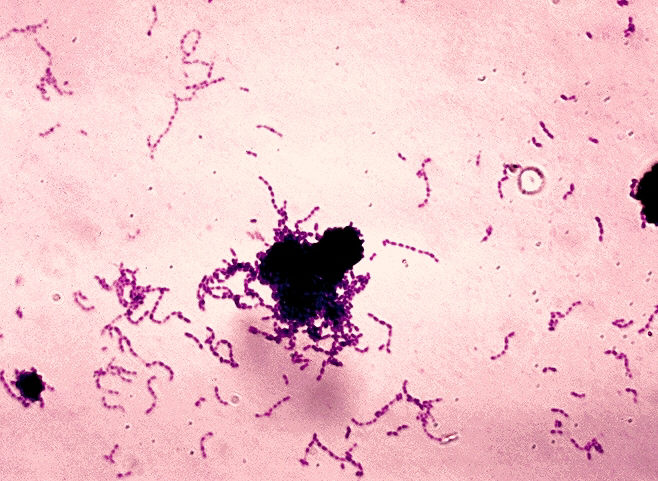
Biology and distinguishing traits
The organism is catalase-negative and a facultative anaerobe, often occurring in short chains or pairs. Key laboratory and ecological traits include:
- Gram-positive cell wall structure.
- Production of extracellular polysaccharides by glucosyltransferase enzymes that promote adherence and biofilm matrix formation.
- Strong acidogenic (acid-producing) metabolism and notable acid tolerance, allowing survival in low pH microenvironments.
- Optimal growth over a broad temperature range, often cited around 18–40 °C, matching the human oral environment.
Role in dental disease and ecology
Within the oral microbiome, S. mutans colonizes tooth enamel and contributes to demineralization by generating lactic and other acids from fermentable carbohydrates. Repeated acid exposure can lead to enamel breakdown and cavities. The bacterium is typically transmitted through close contact and establishes persistent populations in dental plaque. It coexists with many other oral species and its cariogenic potential depends on diet, saliva flow, fluoride exposure, and hygiene.
Prevention, clinical relevance and control
Prevention of disease associated with S. mutans centers on reducing sugar intake, regular mechanical removal of plaque, fluoride use, and professional dental care. Chewing sugar alcohols such as xylitol and maintaining good oral hygiene reduce colonization and acid production. Systemic infection is uncommon but can occur when oral bacteria enter the bloodstream; such events are managed clinically and guided by susceptibility testing. Ongoing research explores vaccines and targeted therapies.
History and research
The organism was first described in the early 20th century and has since been a focus of dental microbiology research for its central role in caries. Modern studies investigate its genetics, mechanisms of biofilm formation, and interactions with host factors. For further background on microbiology and clinical guidance see general resources on bacteria and oral health: oral microbiome and laboratory growth references growth conditions.
Related articles
Author
AlegsaOnline.com Streptococcus mutans Leandro Alegsa
URL: https://en.alegsaonline.com/art/94265