
Strangulation: causes, mechanisms, forensic signs and prevention
Strangulation is neck compression that stops oxygen or blood flow to the brain. This article explains mechanisms, contexts (homicide, sport, erotic practices), forensic findings, first aid and legal concerns.
Strangulation is the interruption of normal oxygen or blood supply to the brain by external compression of the neck. The act of applying this pressure is often called strangling. It differs from hanging in that the force is applied by another person or object pressing on the neck rather than being suspended by a ligature. The brain’s sensitivity to restricted oxygen makes strangulation a rapid medical emergency; it ranges from temporary unconsciousness to permanent brain injury or death. Historical, medical and legal perspectives shape how societies classify and respond to it.
Image gallery
3 Images

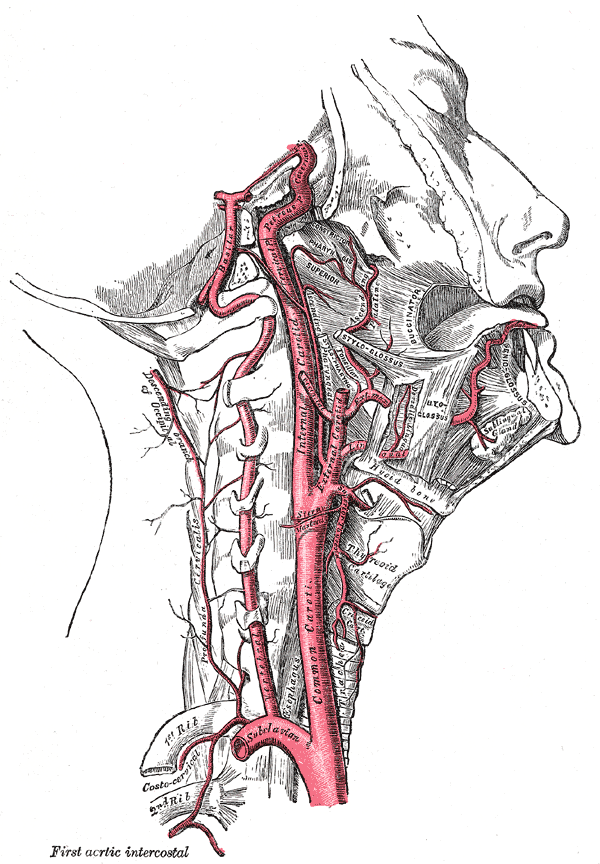
Mechanisms and types
Forensic medicine groups strangulation by the primary physiological effect produced. Commonly described types include:
- Airway compression: external pressure collapses the windpipe (trachea) and prevents breathing, producing asphyxia. See basic facts about oxygen transport at oxygen and respiration.
- Vascular compression: pressure on the carotid arteries reduces blood flow to the brain, causing rapid loss of consciousness; this mechanism underlies many martial-arts chokes. A summary of the process can be found at the compression process.
- Neurogenic or vagal effects: stimulation of neck receptors can trigger slowing of the heart or cardiac arrest in susceptible people.
Contexts and examples
Strangulation appears in several contexts: criminal violence and homicide, accidents, suicide attempts, misuse during restraint, consensual erotic practices, and competitive grappling. Fatal outcomes may follow if compression continues until brain tissue is irreversibly damaged; authorities document deaths after sustained neck compression and include these cases in mortality statistics (fatal outcomes).
Nonfatal or controlled applications occur in contact sports and training. Many grappling arts and self-defence systems teach neck holds as a way to compel submission: for example, judo’s choking techniques (“shime-waza”) are accepted scoring moves in competitive judo (judo). Combat training emphasizes quick release once an opponent submits; top-level practitioners train extensively to reduce injury. By contrast, use of force in policing has produced fatal incidents linked to improper or poorly supervised neck restraints (police restraint).
Human practices and risks
Some individuals deliberately restrict oxygen for sexual arousal, an activity sometimes called erotic asphyxiation; this is risky because loss of consciousness can occur unpredictably and resuscitation may be delayed (erotic asphyxiation). Dangerous games that attempt to induce fainting (“the choking game”) also cause accidental deaths, especially among adolescents. Strangulation is also taught as a tactical technique in self-defence and martial arts—resources on combative applications explain safe training and control measures (combat sports, self-defence).
Forensic signs and medical response
In survivors and fatalities, forensic examiners look for external and internal indicators: bruising, abrasions, small hemorrhages in the eyes (petechiae), neck muscle bleeding, and fractures of throat structures such as the hyoid or larynx. The absence of obvious marks does not rule out significant neck compression. Prompt medical care focuses on restoring airway and circulation; bystanders and responders should remove the compressing force if it can be done safely, call emergency services, and begin basic life support if breathing or pulse is absent.
First aid and prevention
- Ensure scene safety; do not put yourself at risk.
- Stop the compression and open the airway where possible.
- Call emergency medical services immediately.
- If the person is not breathing normally, start CPR and continue until help arrives.
- Document circumstances and seek forensic medical evaluation when injury or criminality is suspected.
Because strangulation can leave subtle injuries with delayed complications, clinicians and legal systems increasingly treat reported strangulation seriously. Prevention emphasizes education, safe training practices in sports, clear law-enforcement protocols, and public awareness about the dangers of intentional breath restriction.
For further reading on related physiological and legal topics see general resources: oxygen and respiration, compression process, fatal outcomes, erotic asphyxiation, combat sports, self-defence, judo and police restraint.
Questions and answers
Q: What is strangulation?
A: Strangulation is a process in which the neck is compressed until the supply of oxygen is cut off, leading to death.
Q: What happens when the brain is deprived of oxygen due to strangling?
A: When the brain is deprived of oxygen due to strangling, it leads to unconsciousness and ultimately results in death.
Q: What are some causes of fatal strangling?
A: Fatal strangling can occur due to accidents and other causes of violence.
Q: Is strangling always fatal?
A: No, strangling does not have to be fatal. Limited or interrupted strangling is practised in erotic asphyxiation, and in the "choking game".
Q: In what sports is strangling used as a technique?
A: Strangling is a technique used in many combat sports and self-defence systems, such as judo.
Q: What is the judo term for the technique of strangulation?
A: The judo term for the technique of strangulation is Shime-waza.
Q: Have fatalities been reported in World Judo events due to Shime-waza?
A: No, there have been no fatalities resulting from Shime-waza in World Judo events.
Related articles
Author
AlegsaOnline.com Strangulation: causes, mechanisms, forensic signs and prevention Leandro Alegsa
URL: https://en.alegsaonline.com/art/94179
Sources
- emedicine.com : Hanging injuries and strangulation
- judoinfo.com : How safe is choking in Judo?
- polaroid.com : How to improve investigation and prosecution of strangulation cases