
Stendhal (Henri Beyle): life, major works and literary significance
Stendhal (Henri‑Marie Beyle, 1783–1842) was a French novelist and critic noted for psychological realism, incisive character study and major novels The Red and the Black and The Charterhouse of Parma.
Overview
Stendhal is the pen name of Henri‑Marie Beyle (23 January 1783 – 23 March 1842). A prominent figure in 19th‑century French literature, he is celebrated for combining vivid social settings with close psychological observation and a direct, energetic prose style. His career included service in the army, extended residence in Italy and later civil posts; his varied experience informed both the plots and the social panoramas of his fiction.
Image gallery
6 Images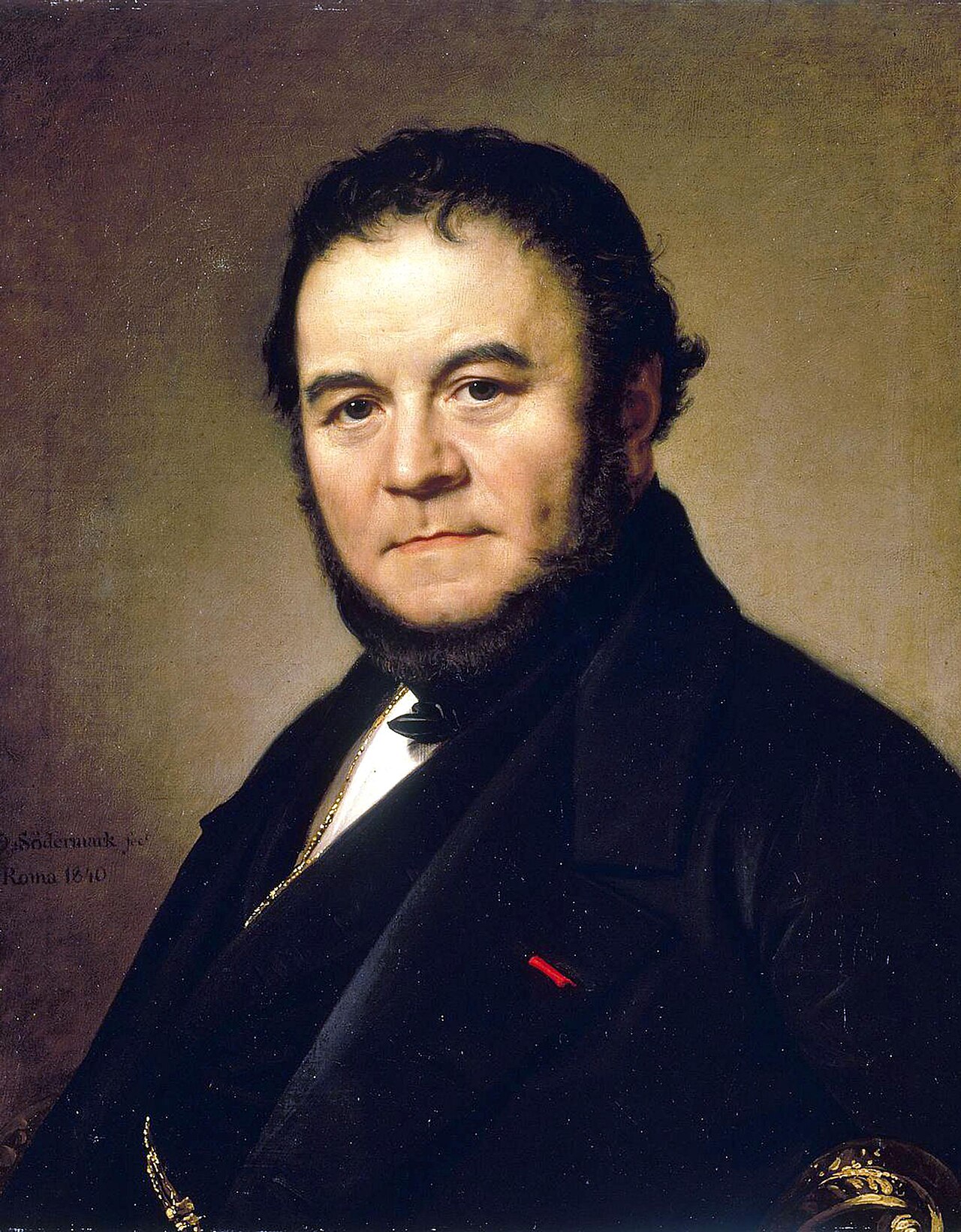


Life and background
Born in Grenoble, Beyle took part in the Napoleonic campaigns and afterwards lived and worked for long periods in Italy, where he admired art and culture and served in administrative roles. His travels between France and Italy, his military service and his position in bureaucratic life contributed autobiographical elements and cosmopolitan perspective to many of his writings. He died in Paris. Biographical detail often surfaces in the psychological realism and topical settings of his novels.
Major works
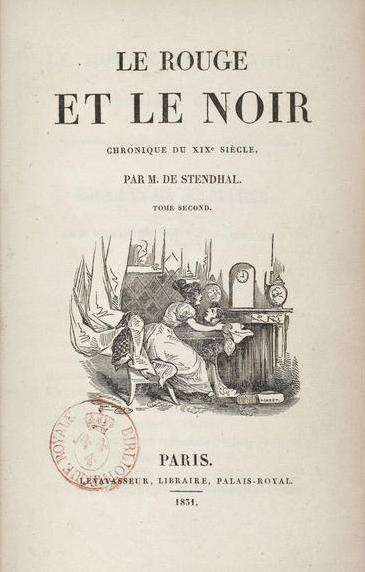
Two novels dominate his reputation: Le Rouge et le Noir (The Red and the Black, 1830) and La Chartreuse de Parme (The Charterhouse of Parma, 1839). Both pair brisk plotting with sustained attention to character and motive. Stendhal also wrote essays and shorter pieces, including notable reflections on love and on the experience of art; these non‑fiction texts illuminate the same preoccupations—passion, hypocrisy, social ambition—that recur in his fiction.
Style and themes
Stendhal is often praised for his precise character analysis and his interest in the inner life, in particular the psychology of desire, self‑deception and social striving. He rejected florid Romantic excess in favour of brisk observation and irony, and his narratives frequently expose the tensions between private feeling and public roles. Critics recognise in his work an early form of narrative realism that balances action with introspection, and that influenced how later writers treated motive and emotion.
Reception and influence
Stendhal received a mixed critical response while alive, but his stature grew after his death. His novels became touchstones for those seeking a more psychologically driven, socially attentive novel. Readers and scholars study his structural control, his economy of phrase and his sympathetic yet ironic outlook. The term "Stendhal syndrome," used to describe intense emotional reactions to great art, stems from his vivid accounts of being overwhelmed by Italian paintings and architecture.
Notable facts
- He chose a pen name inspired by a German town he admired, which gave him some distance from his private identity.
- His time in Italy deeply influenced the settings, characters and artistic references in many works.
- Beyond novels he produced critical essays and personal writings that illuminate his taste for music, painting and the drama of love.
- Scholars frequently consult his letters and memoir fragments to trace how personal experience shaped fictional invention.
For accessible introductions and critical overviews consult standard surveys of European fiction and collections of essays on narrative history. Further discussion of his methods and legacy may be found in selected studies of literary modernity and psychological fiction; for a starting point see collected essays and general introductions to his life and work: selected essays and surveys.
Related articles
Author
AlegsaOnline.com Stendhal (Henri Beyle): life, major works and literary significance Leandro Alegsa
URL: https://en.alegsaonline.com/art/93724