
Stephen Báthory: Prince of Transylvania and King of the Polish–Lithuanian Commonwealth
Stephen Báthory (1533–1586), Hungarian noble, Prince of Transylvania and elected King of Poland and Grand Duke of Lithuania; known for military leadership in the Livonian War, administrative reforms and cultural patronage.
Overview
Stephen Báthory (27 September 1533 – 12 December 1586) was a member of the Hungarian Báthory family who became Prince of Transylvania (1571–1586) and was later elected King of Poland and Grand Duke of Lithuania (1576–1586). His reign combined military activity, administrative reforms and support for learning and the arts. He married Anna Jagiellon, which strengthened his claim to the Polish crown.
Image gallery
8 Images




Origins and rise to power
Báthory was born into a leading Hungarian noble house. As prince he led Transylvania during a tense period of Ottoman, Habsburg and local politics and retained the principality's autonomy. His election to the Polish throne followed the abdication and departure of a foreign king and was secured through negotiation with the Polish nobility and marriage ties to the Jagiellon line.
Rule, reforms and administration
In the Polish–Lithuanian Commonwealth Báthory respected the political privileges of the nobility while pursuing modest centralizing measures to improve military readiness and royal finances. He is remembered for reorganizing portions of the army, appointing capable administrators and seeking to enforce law and order without harshly curtailing the system of noble liberties.
Military achievements
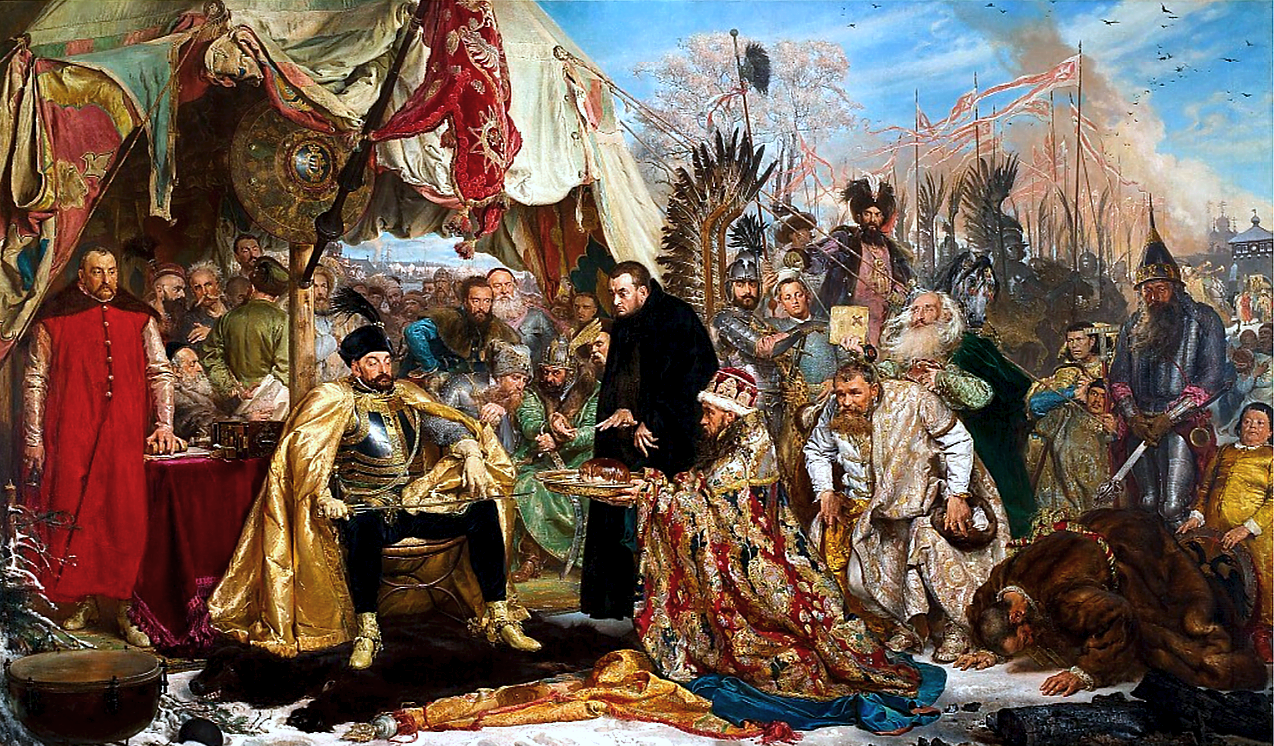
Báthory led campaigns during the Livonian War that strengthened Commonwealth positions in the eastern Baltic and pressured Muscovy into negotiated settlements. His energetic leadership, use of field armies and sieges helped secure border regions and maintain the state's influence in Livonia, contributing to a period of relative stability.
Cultural patronage and legacy
Stephen Báthory supported education and the Church as tools of statecraft. Notably, he granted privileges to higher learning institutions and backed the Jesuit academy in Vilnius, which developed into a major center of scholarship in the Grand Duchy. His reign is often viewed as one of the more effective and dynamic in the late 16th-century Commonwealth.
Notable facts
- He served simultaneously as Prince of Transylvania and elected monarch of Transylvania and Poland–Lithuania.
- Remembered for combining military skill with measured respect for the political system of the Commonwealth.
- Patron of education; his support helped institutionalize what became Vilnius University.
Related articles
Author
AlegsaOnline.com Stephen Báthory: Prince of Transylvania and King of the Polish–Lithuanian Commonwealth Leandro Alegsa
URL: https://en.alegsaonline.com/art/93748