
Psychology: the scientific study of mind, behavior, and mental processes
Overview of psychology: its aims, methods, main branches, historical roots, applications, professional training, and links to related sciences and research with animals and humans.
Overview
Psychology is the scientific study of mental processes and behavior. It seeks to describe, explain, predict and sometimes change how individuals think and act. Psychologists investigate internal states such as thoughts and feelings, and observable behaviors, in both humans and nonhuman animals. The discipline combines empirical methods with theory to clarify how mind and action interrelate.
Image gallery
10 Images




Scope and connections to other sciences
Psychology overlaps with many biological and medical sciences because mental functions emerge from bodily structures and processes. Research draws on knowledge of anatomy, biology, neuroscience, and physiology to link neural mechanisms to cognition, emotion and behavior. At the same time it shares methods and concerns with the social sciences when studying groups, culture and interpersonal dynamics.
Research methods and experimental paradigms
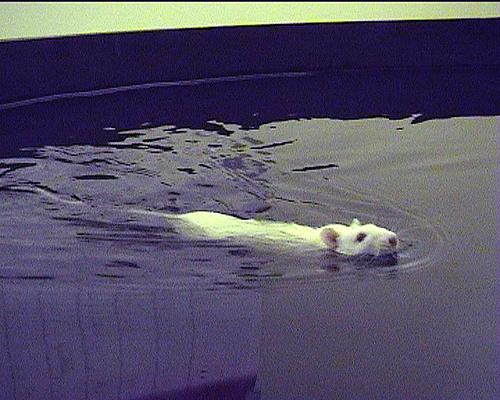
Psychologists use a variety of research techniques including controlled experiments, surveys, observational studies and case histories. Animal models have been important for revealing basic learning processes; classic laboratory procedures include classical conditioning and operant conditioning. Other approaches include psychometrics (measurement of mental abilities), neuroimaging, longitudinal designs and meta-analysis.
Main branches and perspectives
The field is diverse: clinical and counseling psychology address mental health and therapy; cognitive psychology studies attention, memory and problem solving; developmental psychology charts change across the lifespan; industrial–organizational psychology applies principles to workplaces. Many subfields emphasize different frameworks such as the social, behavioral and cognitive sciences, and practice ranges from basic research to applied interventions.
History and professional training
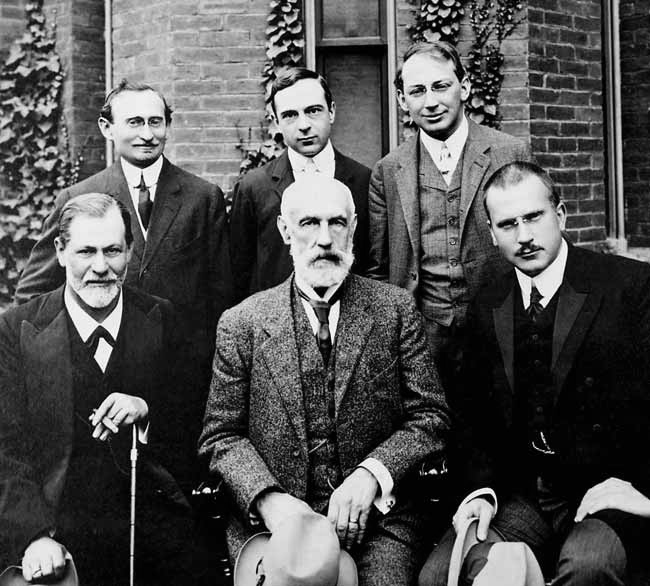
Psychology grew out of philosophy and early experimental work in physiology, evolving into distinct scientific disciplines in the late nineteenth and twentieth centuries. People who practice psychology professionally are called psychologists. Becoming a licensed practitioner generally requires extensive graduate study and supervised experience, often including higher education such as a master's or doctoral degree plus credentialing and continuing training.
Practical applications
Psychological research informs many real-world areas: clinical treatments for mental disorders, educational methods that support learning, organizational practices that improve performance and well‑being, forensic assessments used in legal contexts, and design of products and environments to match human capabilities. Preventive and public-health approaches use psychological insights to promote resilience and reduce risk.
Distinctive features and contemporary issues
Psychology is distinguished by its combination of experimental rigor and attention to subjective experience. It is inherently interdisciplinary and raises ethical questions about research with vulnerable people and animals. Contemporary debates include reproducibility of findings, cultural diversity in theories and measures, and the responsible use of interventions and technology. While related fields such as psychiatry manage diagnosis and medication, psychology contributes evidence-based therapies and a broad understanding of behavior and mind.
- Key concepts: perception, learning, memory, emotion, motivation, personality.
- Typical methods: experiment, observation, clinical interview, standardized testing.
- Professional roles: researcher, clinician, educator, consultant, evaluator.
Questions and answers
Q: What is psychology?
A: Psychology is the study of the mind, including thoughts, feelings, and behaviors in both humans and animals. It aims to explain how the mind works and how our actions relate to how we think.
Q: What is the purpose of psychology research?
A: The purpose of psychology research is to understand how the mind works and how our actions relate to how we think. Research is often done on both humans and animals to gain a better understanding of behavior.
Q: How is psychology structured?
A: Psychology is divided into branches that cover many topics. It also shares ideas and overlaps with other sciences of anatomy, biology, neuroscience, and physiology.
Q: Who is a psychologist?
A: A psychologist is a professional who works in the field of psychology to understand how the mind works so they can help people and animals. They go through many years of higher education to become a professional.
Q: What does a psychologist study?
A: A psychologist studies how the mind functions by itself and with others. They also see how the mind affects the body and work with social, behavioral, and cognitive sciences.
Q: Why are animals used in psychology research?
A: Animals are used in psychology research to gain a better understanding of behavior and how the mind works in humans and animals. Examples of this are classical conditioning and operant conditioning.
Q: What is the main goal of psychology?
A: The main goal of psychology is to understand how the mind works and how our actions relate to how we think. It also aims to explain behavior in both humans and animals.
Related articles
Author
AlegsaOnline.com Psychology: the scientific study of mind, behavior, and mental processes Leandro Alegsa
URL: https://en.alegsaonline.com/art/79864
Sources
- apa.org : "How does the APA defin"psychology"?"
- apa.org : "Definition of "psychology (APA's Index Page)""
- books.google.com : Psychology: six perspectives
- books.google.com : Introduction to psychology: gateways to mind and behavior