
St Albans, Hertfordshire
Historic market city north of London, originally the Roman town Verulamium, known for its cathedral, Roman remains, markets and commuter links to London.
St Albans is the principal town of the City and District of St Albans in Hertfordshire, England. Located about 22 miles (35 km) north of London, it is a regional centre with a long urban history that stretches from Roman times to the present day. The town grew around the site of the Roman settlement of Verulamium and later became identified with the Christian martyr Saint Alban.
Image gallery
10 Images
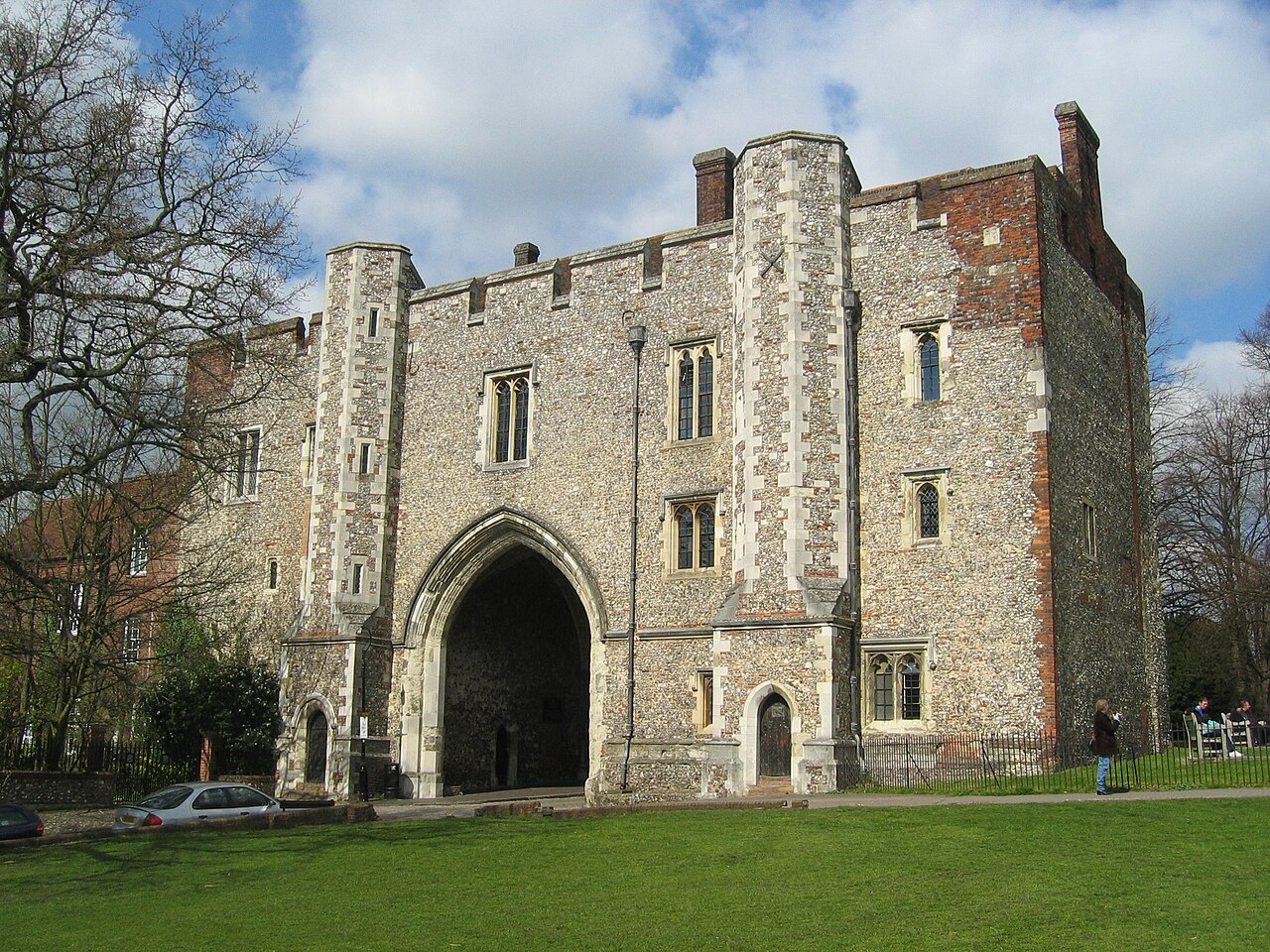


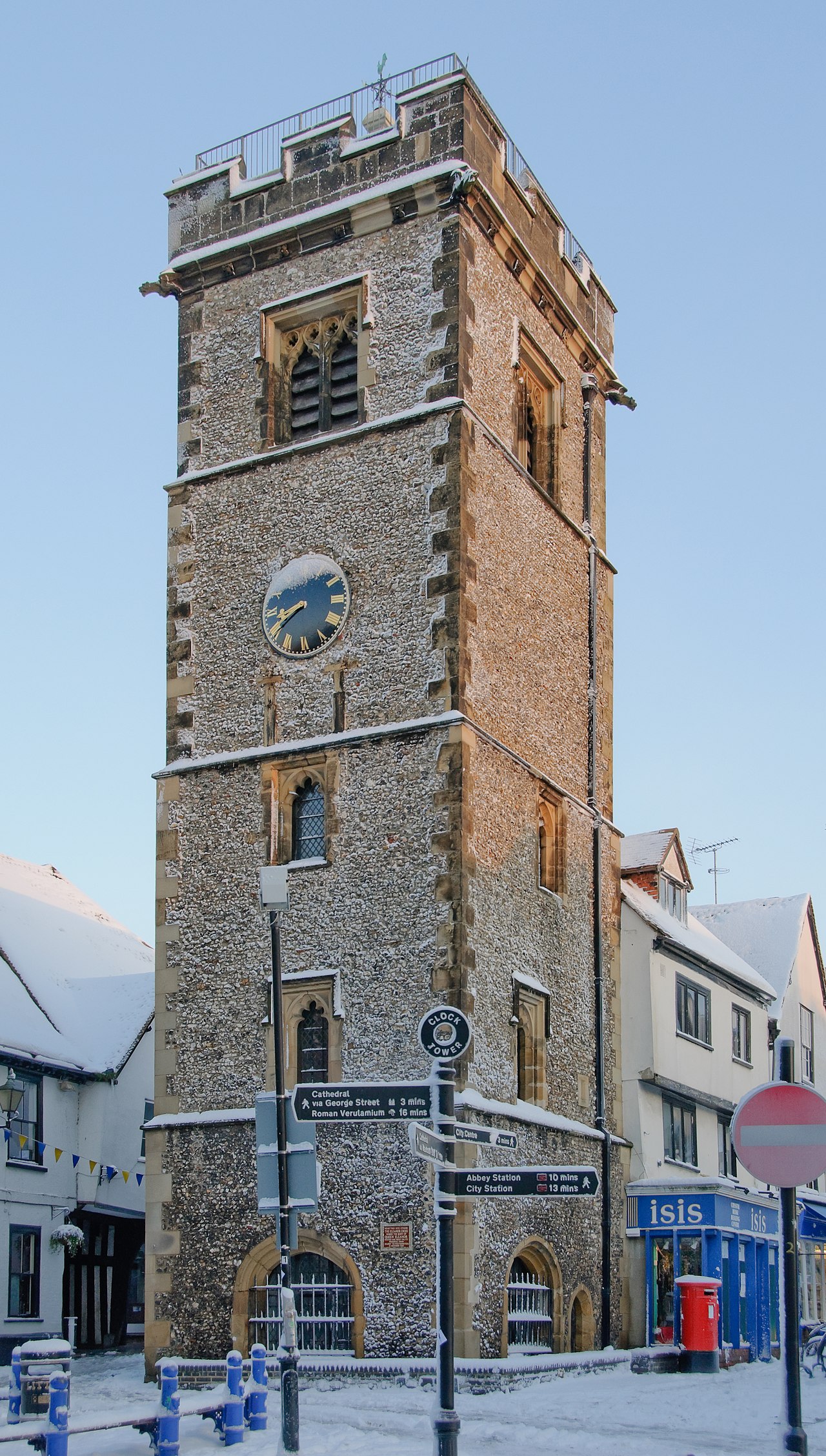
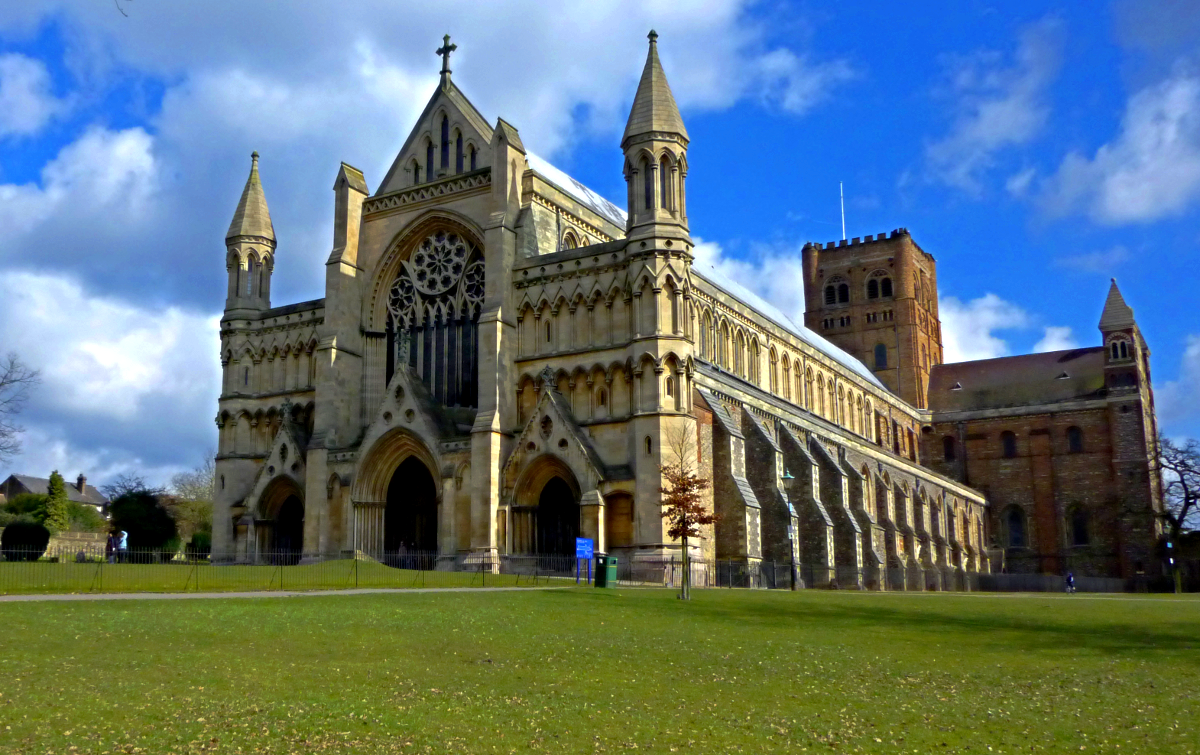
Historical overview
The site was an important Roman municipium known as Verulamium; excavations in nearby parks and at the museum have revealed mosaics, walls and streets from that era. After the end of Roman rule, the area developed through the Anglo-Saxon and medieval periods. A medieval abbey and later a cathedral established the town as a religious centre, and a market tradition dates back many centuries.
Notable sites and remains
Today visitors encounter layers of history in close proximity. Roman remains and a museum display artefacts from Verulamium. The cathedral, on the site associated with Saint Alban, combines Norman and later medieval architecture and remains a focal point for worship and local identity. Other historic features include timber-framed streets, market squares and parkland that preserve fragments of earlier settlement.
Economy, transport and community
St Albans functions as a commercial and commuter town with a mix of independent shops, markets and modern services. It has regular rail links to London and other towns, making it popular with people who work in the capital but live outside it. Local governance, cultural venues and schools contribute to a varied civic life.
Culture, events and distinctions
The town hosts regular markets, cultural festivals and historical walks that explore Roman and medieval heritage. Attractions and information can be found locally and online; for county-level resources see Hertfordshire, for national context see England, and for details on the Roman town consult materials about Verulamium. St Albans remains notable for the visible continuity between ancient remains and modern urban life.
- Landmarks: cathedral, Verulamium Museum, Roman theatre remains.
- Transport: regular rail services to London and regional roads.
- Community: markets, festivals, historic schools and civic institutions.
Related articles
Author
AlegsaOnline.com St Albans, Hertfordshire Leandro Alegsa
URL: https://en.alegsaonline.com/art/93144
Sources
- st-albans.herts.sch.uk : st-albans.herts.sch.uk/
- books.google.com : Pope Adrian IV: The Lothian Essay, 1907
- churchinhistory.org : "The English Pope by George F. Tull"