
Sør-Varanger — Norwegian municipality on the Russia border
Sør-Varanger is a municipality in Troms og Finnmark, Norway, centered on Kirkenes. It borders Russia and contains the Pasvik valley, port facilities, mixed Sámi–Kven–Norwegian culture, and the Storskog crossing.
Sør-Varanger is a coastal municipality in northern Norway, administered from the town of Kirkenes. It lies within the county of Troms og Finnmark and is part of the larger national territory of Norway. The area combines Arctic coastal landscapes, river valleys and forests, and it has long been a meeting point of different peoples and economic activities.
Image gallery
10 Images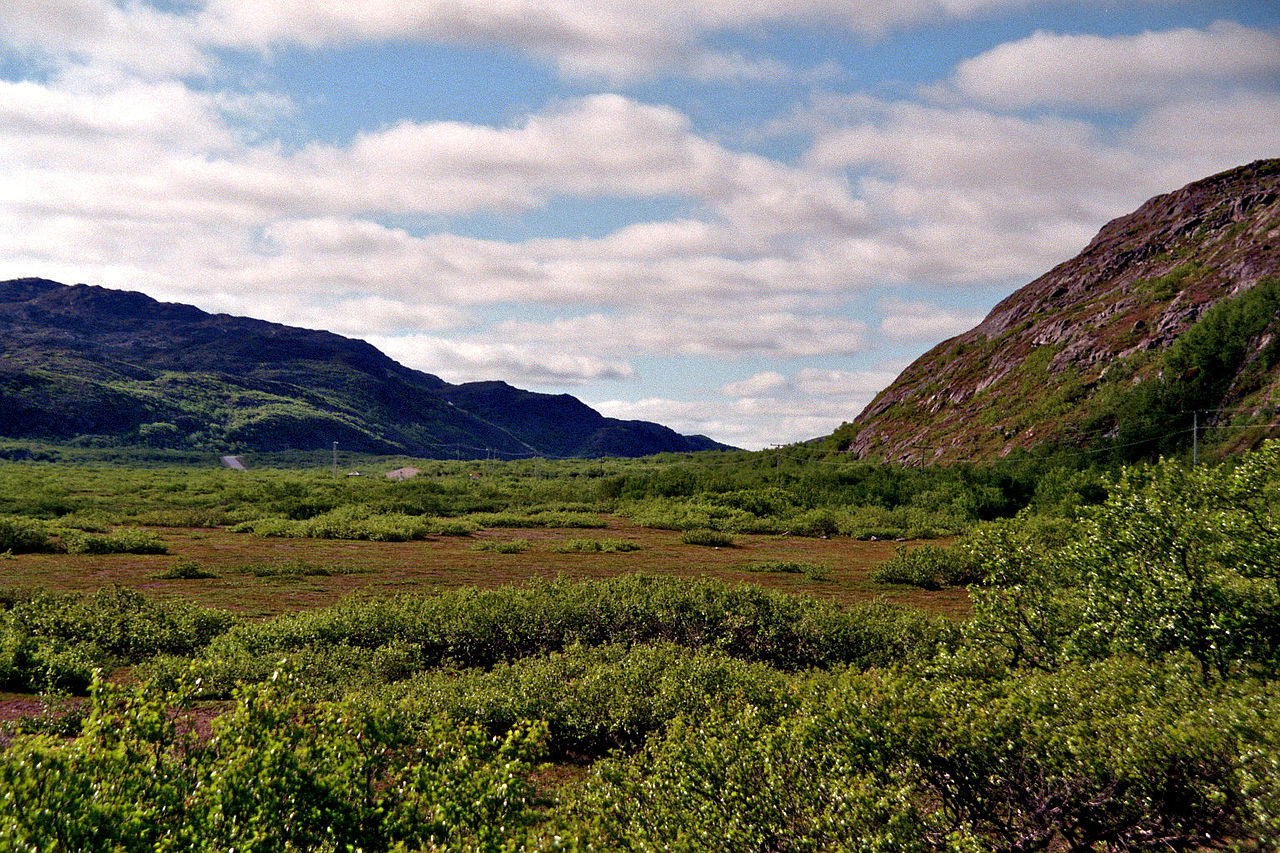


Geography and environment
The municipality stretches along the Varangerfjorden and inland into the Pasvik valley, an area noted for its boreal forest and rich birdlife. Sør-Varanger’s eastern boundary is an international frontier: it is the only Norwegian municipality that shares a land border with Russia. The local environment includes maritime habitat, freshwater rivers and sections of protected nature reserves that attract nature tourism and research.
Population, culture and languages
Sør-Varanger is home to a mix of cultural groups, including Indigenous Sámi communities, descendants of Kven settlers, ethnic Norwegians and a visible connection to Russian neighbours. Multiple languages have local presence and cultural expression, and cross-border family and work ties are an important part of everyday life. Cultural heritage is visible in place names, festivals and museums in and around Kirkenes.
History and development
The area has a long human history tied to fishing, trapping and reindeer husbandry. In the 20th century the region was heavily affected by the Second World War; Kirkenes and its surroundings were sites of intense fighting and reconstruction afterwards. Industrial development, including historic iron ore mining and port activity, shaped local growth. Administratively the municipality is part of the modern county structure created for northern Norway.
Economy and transport
Sør-Varanger’s economy combines public services, maritime trade through the port at Kirkenes, mineral and industrial activity, local fisheries and growing tourism focused on northern lights, birding and wilderness experiences. A key practical fact for transport and border policy is the regulated road link to Russia: the only legal crossing in the municipality is at Storskog, where vehicles and people pass under border control. That crossing connects the local road network to Russia’s transport routes and supports limited cross-border commerce.
Notable places and distinctions
- Kirkenes — municipal centre with port facilities and cultural institutions (administrative centre).
- Pasvik valley — important for nature, research and transboundary river systems.
- Historic mining areas — legacy industrial sites contributing to local identity.
- Border status — unique position as Norway’s only municipality with a direct land border to Russia and the regulated crossing at Storskog.
Sør-Varanger combines strategic geography with cultural diversity and natural values. Its role in cross-border relations, Arctic industries and northern tourism makes it a distinctive part of municipal administration in Troms og Finnmark and of wider northern Norway.
Related articles
Author
AlegsaOnline.com Sør-Varanger — Norwegian municipality on the Russia border Leandro Alegsa
URL: https://en.alegsaonline.com/art/92967
Sources
- forskning.no : Forvirring om hvem er kven
- snl.no : snl.no/kvener