
Sri Jayawardenepura Kotte
Sri Jayawardenepura Kotte (commonly Kotte) is the official administrative capital of Sri Lanka, located within the Colombo urban area. It combines modern government functions with medieval heritage and wetland landscapes.
Overview
Sri Jayawardenepura Kotte, commonly shortened to Kotte, is the official administrative capital of Sri Lanka and the seat of the national legislature. The city lies within the greater Colombo urban region and functions mainly as the country's political and administrative centre. It is often described in contrast to Colombo, the commercial hub of the country.
Official capital of Sri Lanka and part of the metropolitan area, Kotte is formally recognized for hosting national institutions and public offices. The city is also referred to in variant spellings such as Sri Jayewardenepura Kotte.
Image gallery
6 Images
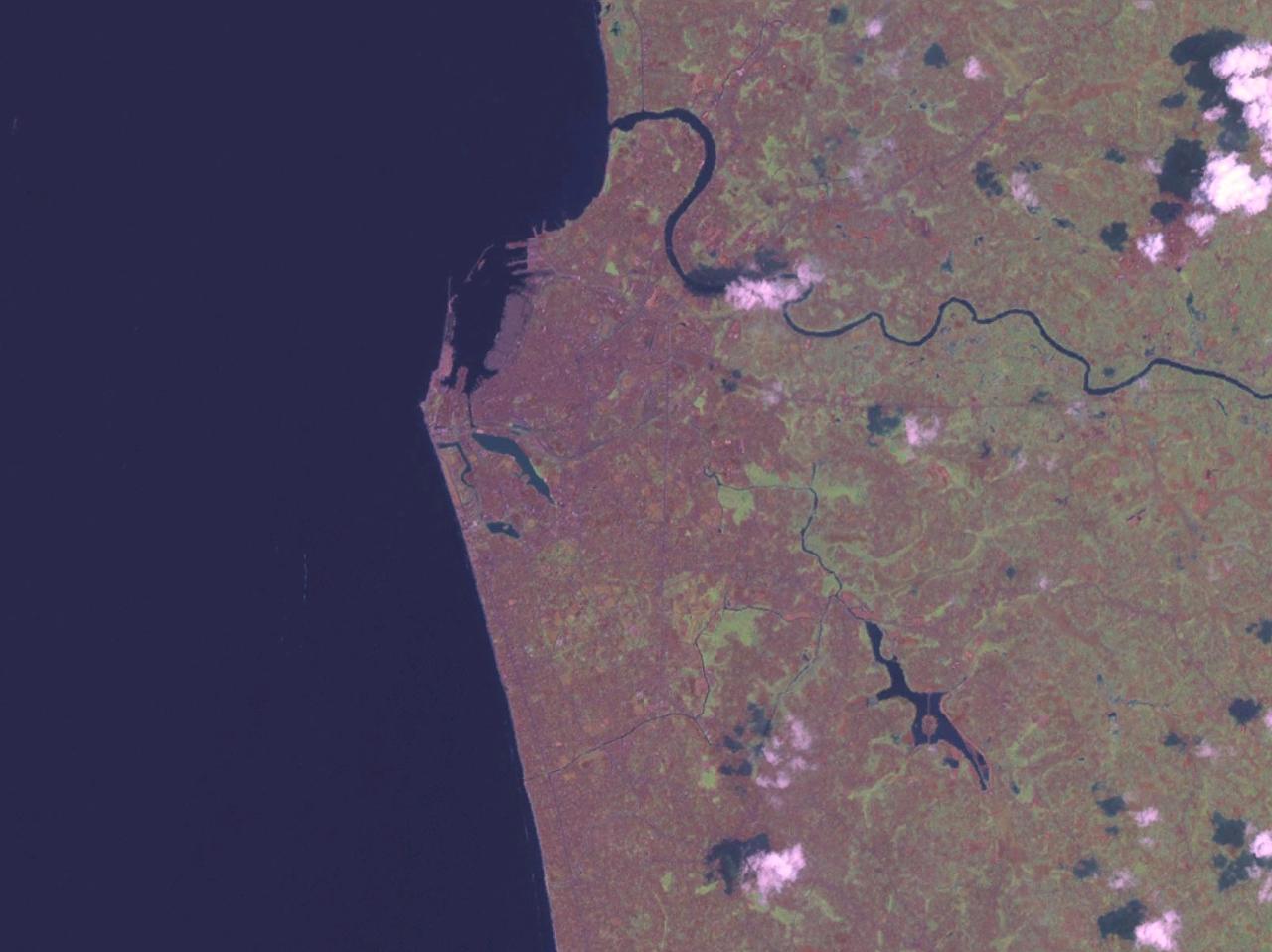


History and development
Kotte has deep historical roots as the centre of a medieval Sinhalese kingdom that fortified itself with moats and ramparts. Over centuries the area evolved from a fortified settlement to a suburban administrative centre. In the late 20th century it was developed to house modern government buildings, including a purpose-built parliamentary complex by a noted architect.
Notable features
- Parliament complex located beside a lake and designed to serve the national legislature.
- Remnants of historic fortifications, moats and old settlements that reflect the medieval kingdom.
- Extensive wetland corridors and lagoons that support local biodiversity and act as urban green space.
- Civic institutions and municipal administration that manage urban services for the area.
Administration, ecology and importance
The city is governed through a municipal council and hosts many national ministries and diplomatic functions. Its wetlands and waterways are important for flood management and wildlife, attracting birdwatchers and researchers. As the administrative capital, Kotte plays a central role in governance, lawmaking and ceremonial functions while remaining integrated into Colombo's metropolitan economy and transport networks. For information about the wider metropolitan context see Colombo urban area.
Related articles
Author
AlegsaOnline.com Sri Jayawardenepura Kotte Leandro Alegsa
URL: https://en.alegsaonline.com/art/92975
Sources
- parliament.lk : parliament.lk
- priu.gov.lk : "The Administrative Capital of Sri Lanka since 1982 is Sri Jayewardenepura Kotte"