
Sri Jayawardenapura Kotte
Administrative capital of Sri Lanka since the 1970s, Sri Jayawardenapura Kotte is a suburban city near Colombo known for its parliamentary complex, historical roots, wetlands and role in government administration.
Overview
Sri Jayawardenapura Kotte, commonly shortened to Kotte, is the official administrative capital of Sri Lanka. It lies within the Colombo metropolitan area and functions primarily as the seat of government rather than as the country’s commercial hub. Although Colombo remains the main financial and business centre, Kotte hosts many national institutions and government offices.
Image gallery
6 Images


History and development
Kotte has a long history that predates its modern administrative role. The town grew around an important medieval fortified settlement and later became associated with colonial-era changes in the region. In the 20th century the area was developed and expanded as part of Colombo’s urban growth, and in the 1970s it was designated to serve as the nation’s administrative capital.
Geography and layout
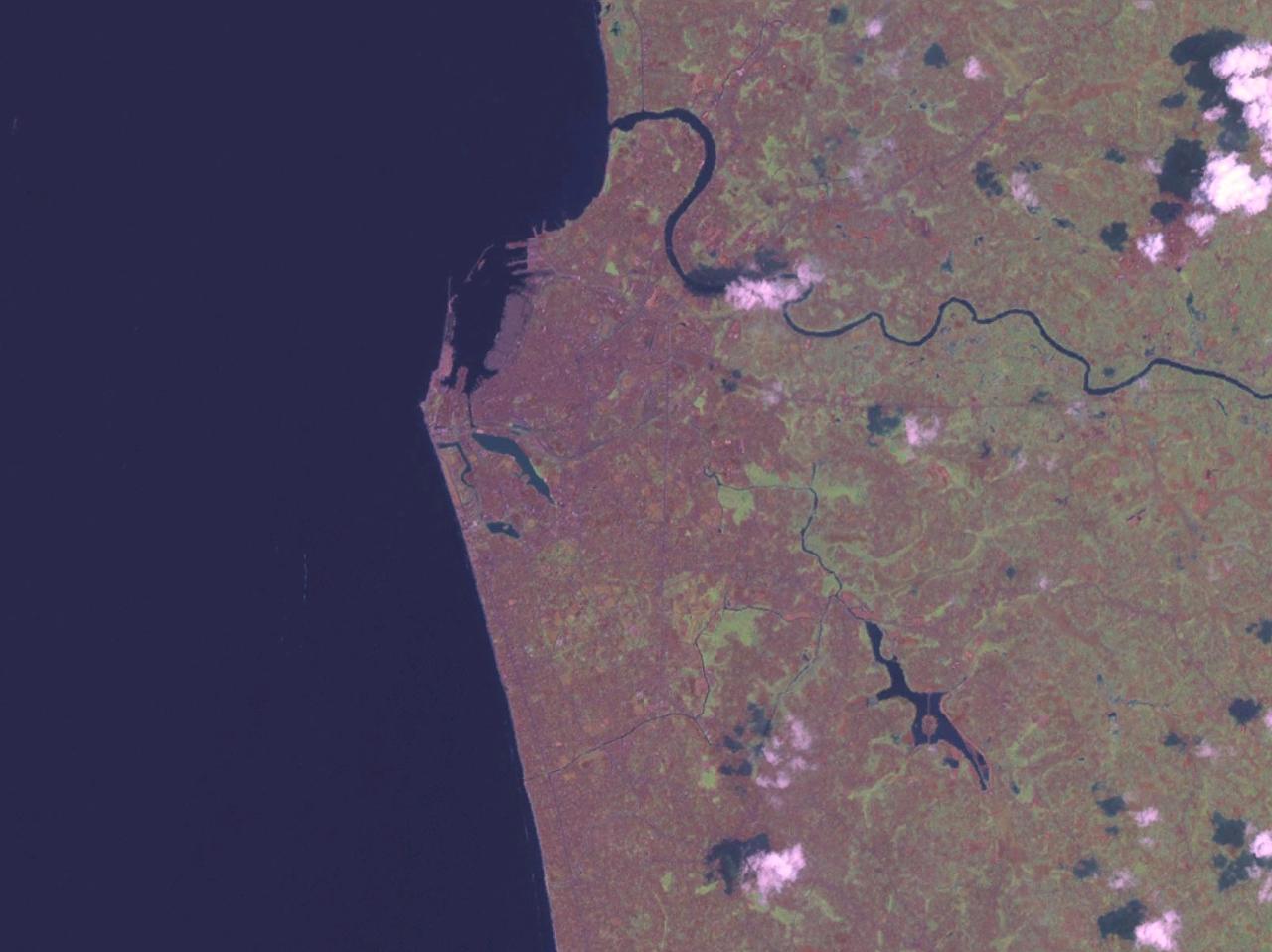
The city is characterized by a mix of built-up suburban neighborhoods, protected wetlands and inland waterways. A notable water body, the Diyawanna Oya, forms an artificial lake and island that provides the setting for the national parliamentary complex. The surrounding marshes and green spaces contribute to a lower-density urban form compared with central Colombo.
Functions and importance
Kotte’s principal role is political and administrative. Key functions include:
- Housing the Parliament and associated legislative buildings.
- Hosting ministries, public agencies and official residences.
- Serving as a location for state ceremonies and diplomatic activities.
Notable features and distinctions
The parliamentary complex, built on an island in the Diyawanna reservoir, is a distinctive architectural landmark designed by a leading Sri Lankan architect in the late 20th century. Kotte’s status illustrates a common arrangement in several countries where administrative and commercial capitals are separate. Today it remains a focal point for governance while remaining closely integrated with the wider Colombo urban region.
Related articles
Author
AlegsaOnline.com Sri Jayawardenapura Kotte Leandro Alegsa
URL: https://en.alegsaonline.com/art/92974