
St. Antönien (Graubünden) — Swiss mountain village and former municipality
High-alpine village in the Prättigau valley of Graubünden, Switzerland. Formerly an independent municipality (with Ascharina), merged into Luzein in 2016; noted for alpine scenery, pastoral tradition and outdoor recreation.

Overview
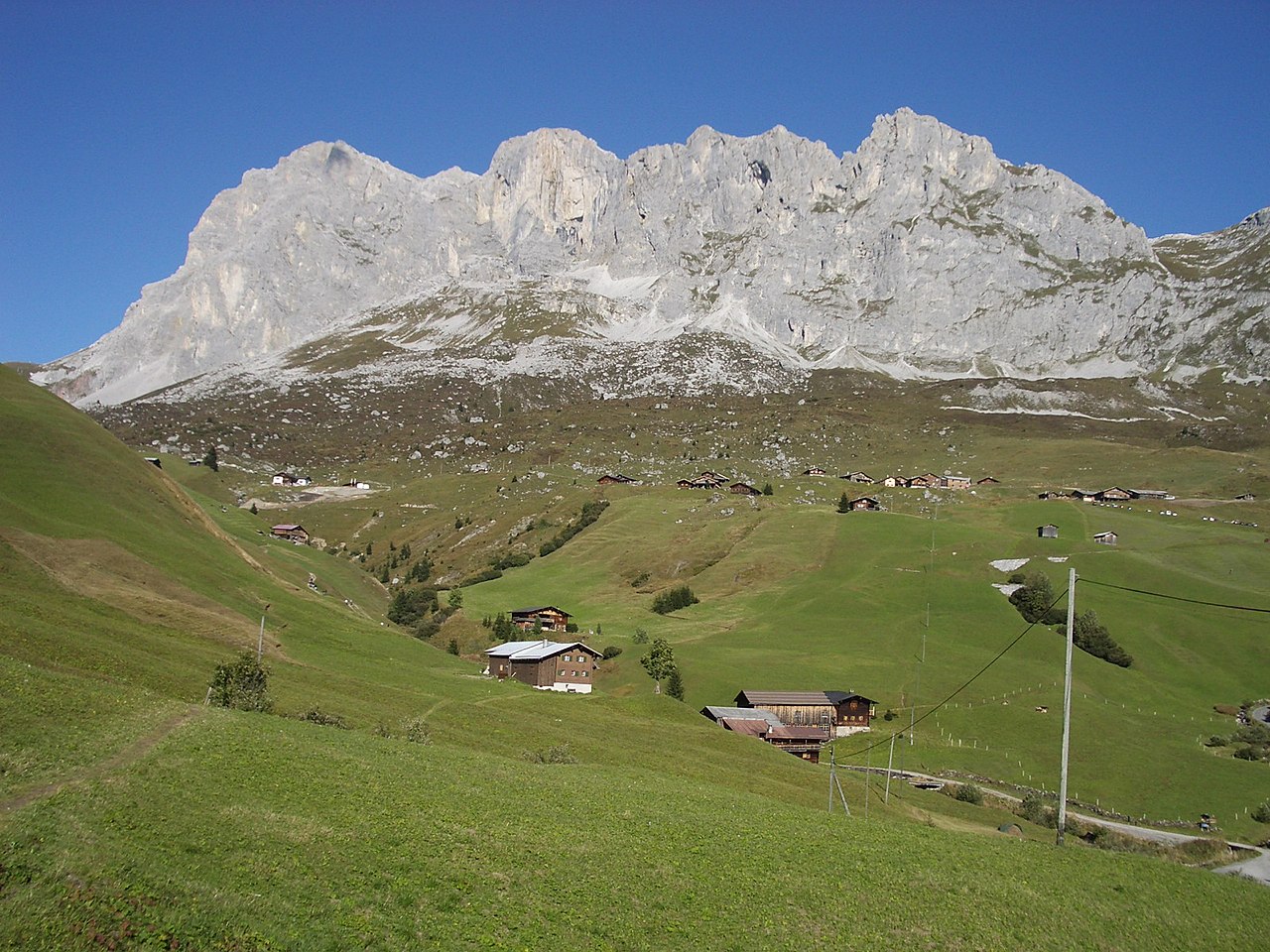
St. Antönien is a small mountain village in the Prättigau valley of eastern Switzerland. Administratively it belonged to the district of Prättigau/Davos in the canton of Graubünden. The settlement sits in a high-altitude valley landscape and has historically been oriented toward alpine farming, seasonal pasture use and, more recently, tourism and outdoor recreation. The local character reflects rural Swiss mountain life: wooden chalets, steep slopes, and a long-standing connection to the surrounding alpine environment.
Image gallery
5 Images


Geography and settlement
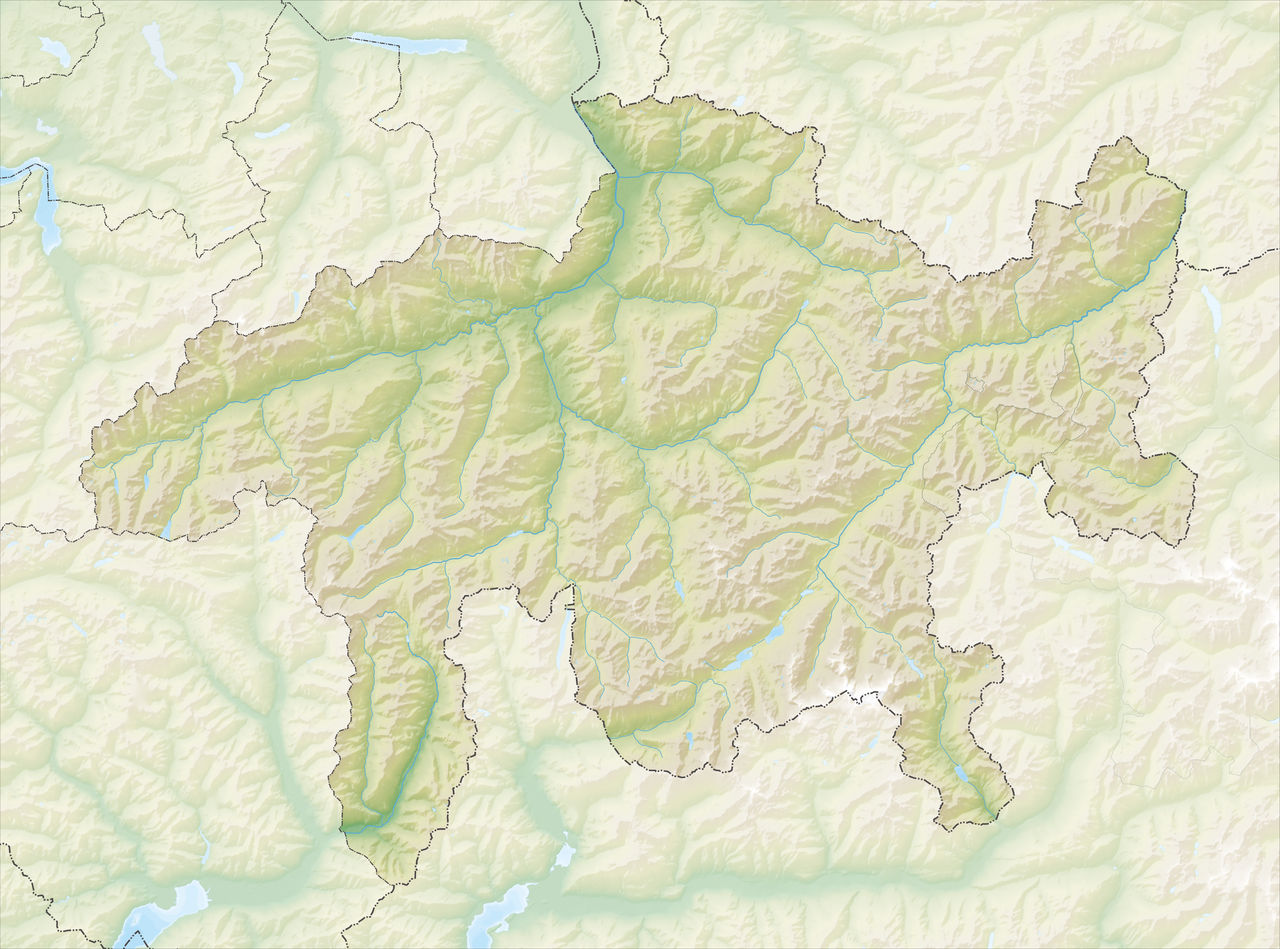
St. Antönien occupies a side valley of the Prättigau and is reachable by narrow mountain roads and valley connections. The topography is dominated by alpine meadows, forested slopes and rocky ridges; this combination produces distinct seasonal patterns of life, with grazing and haymaking in summer and a quieter, snowbound period in winter. The village cluster includes hamlets and dispersed farmsteads rather than a single dense center. The landscape supports hiking, mountain walking and quieter forms of nature tourism favored by visitors seeking scenic routes away from large resorts.
Administrative history
Former municipal arrangements changed in the early 21st century. The neighboring municipality of St. Antönien Ascharina merged into St. Antönien on 1 January 2007, simplifying local governance. Later, on 1 January 2016 the municipality of St. Antönien itself was incorporated into the larger municipality of Luzein. These kinds of municipal consolidations are part of a broader Swiss trend to combine small local administrations for efficiency and to maintain public services at high standards.
Economy and uses
The local economy traditionally depended on livestock, hay production and alpine pastoralism; many families maintain ties to summer mountain pastures. In recent decades tourism and second-home ownership have become more important, providing income through hospitality, guiding and small-scale services. Outdoor activities—hiking, snowshoeing, and low-key winter sports—are typical visitor pursuits. Local cultural life often centers on village events tied to seasonal agricultural cycles and communal maintenance of pastures and alpine huts.
Characteristics and notable facts
- Language and culture: the area is primarily German-speaking but exists within multilingual Graubünden, where Romansh and Italian also have historic presence; this contributes to regional diversity.
- Architecture: traditional alpine timber houses and stone foundations reflect local building practices adapted to snow and slope conditions.
- Transport and access: located in a valley network, the village is connected by local roads; public transport links are more limited than in lowland towns.
- Conservation and landscape: the surrounding alpine environment is valued for biodiversity, scenic qualities and pasture ecosystems.
For administrative details and local services, official pages and regional overviews provide up-to-date information: see the former municipal entry and district references, for example municipal records and the canton portal at Graubünden information. General regional context and visitor information are often published by valley or cantonal tourist boards and local municipal sites (local page, district).
St. Antönien illustrates the small alpine communities found throughout the Swiss Alps: places shaped by steep terrain, seasonal economies and gradual administrative change while retaining a distinct mountain identity.
Related articles
Author
AlegsaOnline.com St. Antönien (Graubünden) — Swiss mountain village and former municipality Leandro Alegsa
URL: https://en.alegsaonline.com/art/93024