
Bass amplifier: design, history, and role in instrument amplification
Overview of bass amplifiers: purpose, common designs, components, history, uses, and how they differ from guitar amplification for accurate low-frequency reproduction.
Overview
A bass amplifier is an audio amplifier and speaker system engineered to reproduce the low-frequency sound produced by bass guitars, double basses and similar instruments. Unlike general-purpose amplifiers, bass amps emphasize clean, powerful reproduction of low notes with sufficient headroom to avoid distortion when players dig in. The term covers both the electronics that shape and boost the signal and the speaker cabinets that convert electrical energy into sound.
Image gallery
10 Images




Design and main components
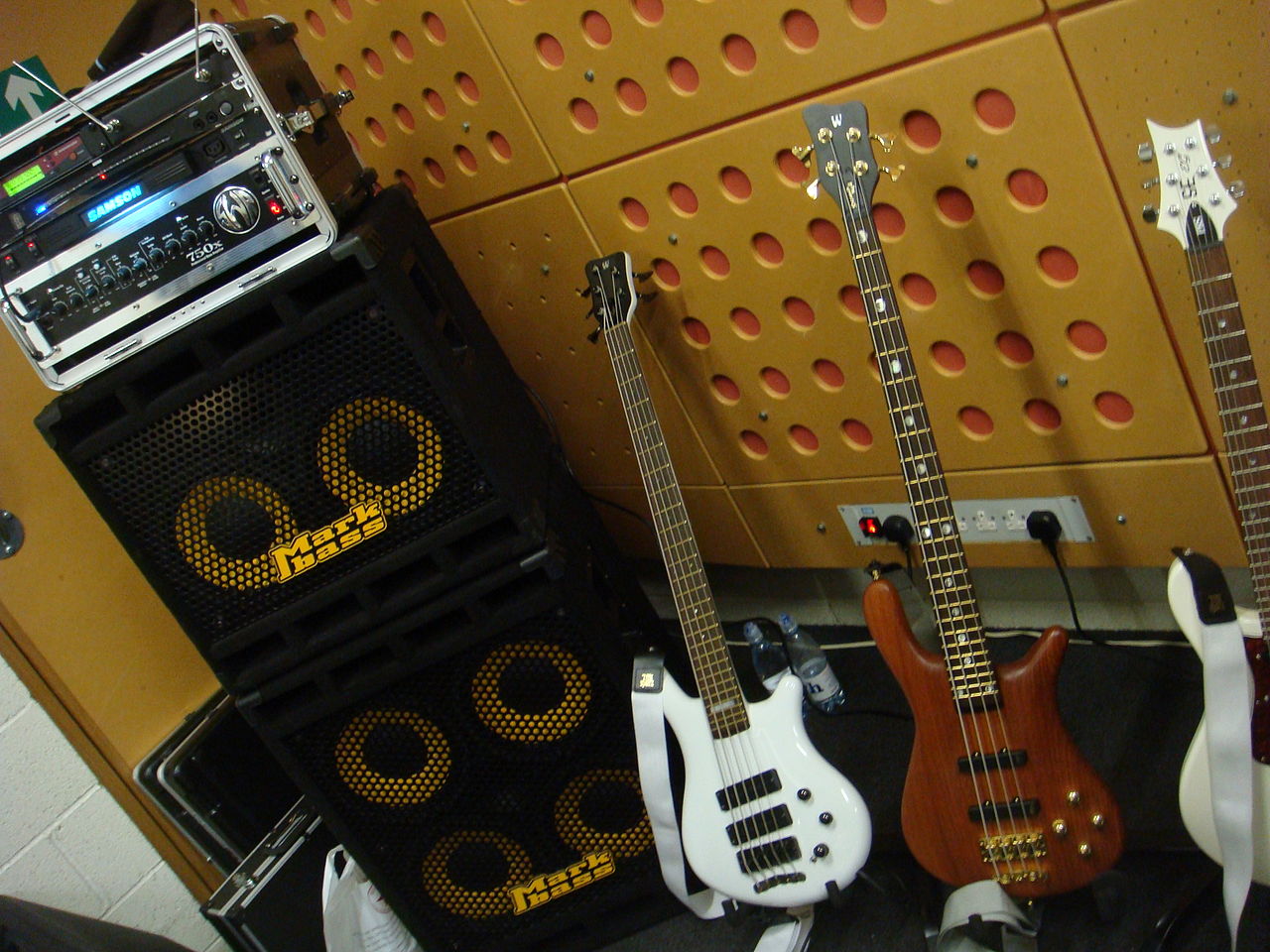
Bass amplification typically combines several elements: a preamplifier with tone controls and effects routing, a power amplifier that delivers drive to the speakers, and one or more speaker cabinets. Cabinets are built to handle larger cone excursion and higher power levels; common configurations include single large drivers and multi-speaker arrays. Typical components and features include:
- Preamp: gain stages, EQ (often parametric or graphic), and circuitry for active bass pickups.
- Power amp: solid-state or tube designs that supply clean headroom.
- Speakers and enclosure: larger drivers or multiple smaller drivers in sealed or ported cabinets to manage low frequencies.
- I/O: direct outputs for PA or recording, effects loops, and headphone outputs for practice.
History and development
Early bass amplification evolved from public-address and guitar amp technology as musicians sought systems that could reproduce low notes without muddiness. Landmark designs from the mid-20th century improved speaker materials and enclosure design to handle deep bass. Over time manufacturers introduced specialized preamps, active electronics and power sections tailored to bass players' needs, while modern designs add digital modeling and protection circuits.
Uses, practical considerations and examples
Bass amps are used in practice, studio recording and live performance. For small rehearsals a compact combo unit with integrated speaker may suffice; larger venues rely on separate heads and speaker stacks, sometimes supplemented by dedicated subwoofers. Players choose cabinet size and configuration based on desired tone and portability—some prefer a single large speaker for palpability, others a multi-speaker cabinet for punch and projection. Many rigs include a DI or line output to feed the front-of-house mix directly while the amp handles stage monitoring.
Distinctions and notable facts
Bass amplifiers differ from guitar amps in speaker size, cabinet construction, and sonic goals: the priority is accurate, low-frequency power rather than midrange coloration or overdrive. Choices such as tube vs. solid-state preamps, active vs. passive EQ, and sealed versus ported enclosures shape the character and performance of the rig. Manufacturers and retailers provide product details and guides; for further technical or purchasing information see manufacturer resources, instrument sites, acoustic references, amplification tutorials and speaker specifications.
Related articles
Author
AlegsaOnline.com Bass amplifier: design, history, and role in instrument amplification Leandro Alegsa
URL: https://en.alegsaonline.com/art/9279