
Beechcraft King Air — Twin‑engine turboprop utility aircraft
Twin‑engine turboprop family from Beechcraft, introduced in the 1960s and developed into multiple series. Widely used for business transport, air ambulance, special missions and military roles.
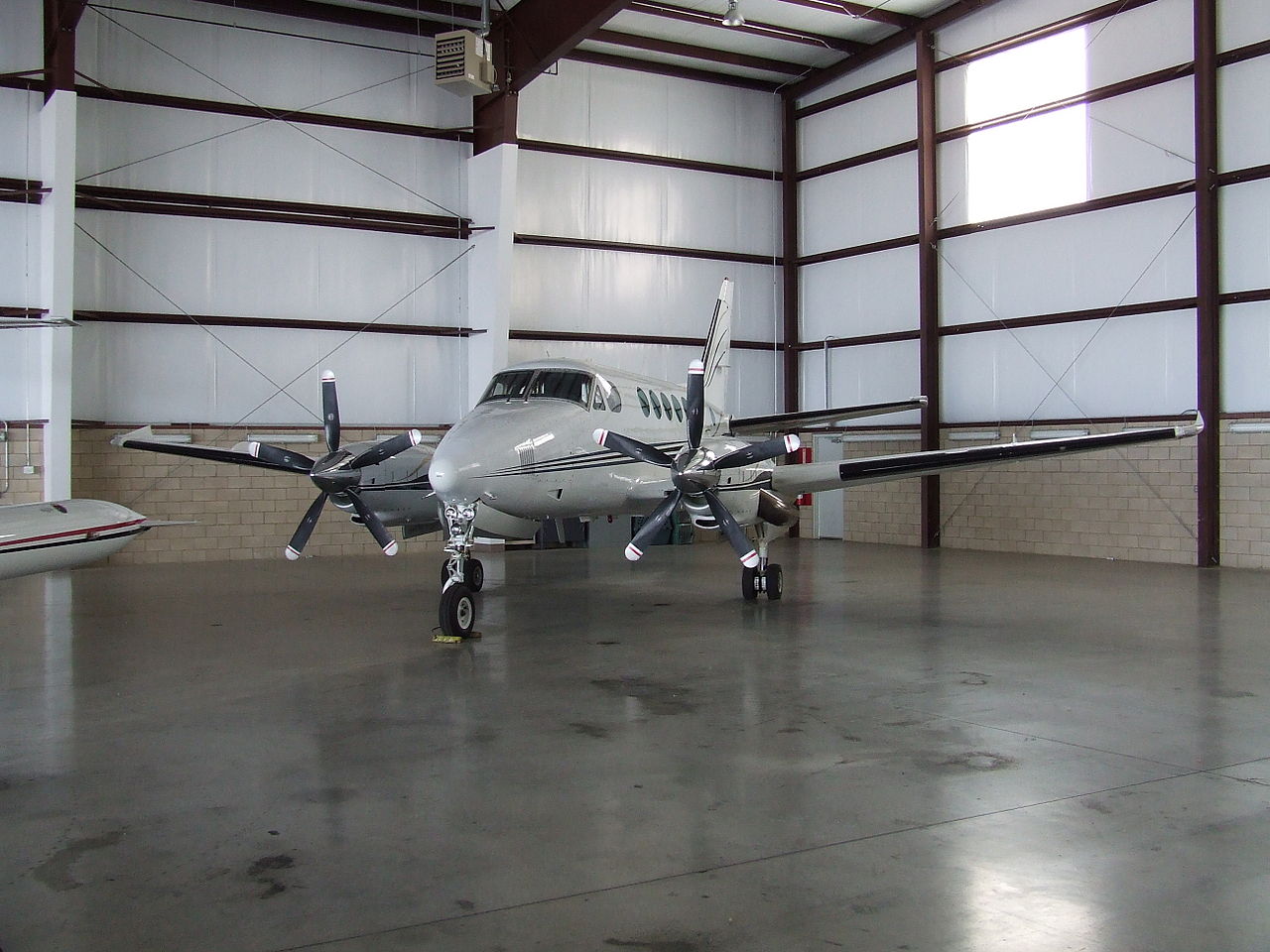
The Beechcraft King Air is a long‑lived family of twin‑engine turboprop aircraft built by Beechcraft in the United States. Introduced in the mid‑20th century, the design established a niche between light piston twins and larger corporate jets. Early production is most commonly associated with two main series, the King Air 90 and King Air 100, while later developments produced the larger Super King Air line. The type is noted for versatility, affordable operational costs compared with jets, and reliable short‑field performance.
Image gallery
10 Images



Design and main features
King Air models are conventional low‑wing monoplanes with two wing‑mounted turboprop engines, a pressurized cabin, retractable tricycle landing gear and a relatively roomy cabin for their class. Typical characteristics include good climb and cruise performance for turboprops, adaptable interiors that accept passenger seating, cargo, or medical stretchers, and robust systems that suit repeated daily use. Many airframes have been modified for special missions such as surveillance, maritime patrol, or aerial mapping.
History and development
The King Air family began as a response to demand for a small pressurized transport that could operate from shorter runways and offer lower operating costs than jets. Over time the line evolved into several subfamilies: the early 90/100 series established the market, and later variants were lengthened, re‑engined and modernized under the Super King Air name. Production and upgrades continued for decades, making the King Air one of the longest‑produced turboprop types.
Operational roles and importance
Operators value King Airs for corporate and private transport, regional airline feeder work, air ambulance service, and government or military utility roles. The aircraft's adaptability means it is often fitted with mission‑specific equipment such as sensors, communications suites, or medical interiors. Its relative simplicity, combined with capability, has kept it in widespread use across civil and military fleets worldwide.
Variants and notable distinctions
- Early 90 and 100 series: compact, economical twins used widely for business travel and regional tasks.
- Super King Air: modernized, larger variants offering improved performance and more cabin space.
- Special mission versions: modified examples serve in surveillance, mapping, and medevac roles.
For general reference on the manufacturer and model line see Beechcraft and summaries of corporate turboprops at aircraft overviews. Operational examples and role descriptions are available from operator and military sources: civil uses and special missions.
Related articles
Author
AlegsaOnline.com Beechcraft King Air — Twin‑engine turboprop utility aircraft Leandro Alegsa
URL: https://en.alegsaonline.com/art/10069