
Double bass (contrabass, upright bass)
Large bowed string instrument providing the lowest pitches in ensembles. Played with a bow or plucked; central to orchestras, jazz, rockabilly, bluegrass and many popular styles.
The double bass, also called the contrabass or upright bass, is the largest and lowest-pitched bowed string instrument commonly used in Western music. It supplies bass tones that underpin harmony and rhythm across a wide range of musical traditions. Its imposing size and deep register distinguish it from smaller string family members.
Image gallery
10 Images




Characteristics and parts
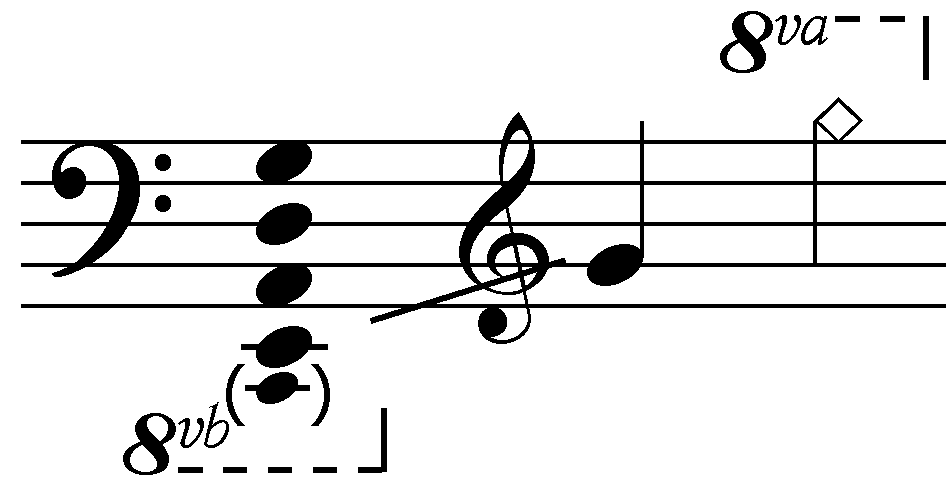
A typical double bass has four strings (some models have five) and is usually tuned in fourths, most often to E–A–D–G. The instrument is built from a carved spruce top and maple back and ribs, with a long fingerboard of ebony or similar hardwood and a metal endpin to support its weight. Visible parts include the scroll, neck, fingerboard, body, bridge, tailpiece and endpin, all of which affect tone and playability.
Playing techniques and sound
Performers use a bow (arco) for sustained, lyrical lines and pizzicato (plucked) strokes for rhythmic accompaniment. In jazz ensembles the upright bass commonly plays the walking bass line, often plucked; in rockabilly it may be slapped for percussive effect. It provides the low-pitched foundation heard in genres ranging from classical to country and bluegrass.
History and relationships
The double bass developed alongside bowed instruments in the 16th–17th centuries and evolved to meet orchestral needs. It is related in shape and function to the violin, viola and cello, but has a distinct body size, tuning and role. Orchestral practice and solo repertoire expanded in the 18th and 19th centuries to exploit its range and sonority.
Uses, variants and notable facts
- Ensembles: standard in orchestras, jazz groups, bluegrass and popular bands.
- Styles: arco for classical, pizzicato for jazz, slap technique in rockabilly.
- Variations: acoustic upright, five-string models, and electrically amplified or electric upright basses for stage work.
Because of its range and versatility, the double bass is both a foundational ensemble instrument and, in expert hands, a solo voice capable of melodic, virtuosic expression.
Questions and answers
Q: What is the double bass?
A: The double bass is a big stringed instrument, also known as a contrabass or upright bass.
Q: What types of music does the double bass typically play in?
A: The double bass is used in orchestras, jazz bands, rockabilly bands, bluegrass music, and some country music bands.
Q: What are the low-pitched musical notes called when played on the double bass in jazz bands?
A: In jazz bands, these low-pitched musical notes are called the "bass line."
Q: How does the double bass look compared to other instruments?
A: The double bass looks like smaller instruments such as the violin, viola, and cello.
Q: Is it possible to use a double bass for solo performances?
A: Yes, it is possible to use a double bass for solo performances. However, they are most commonly used in ensembles and bands due to their ability to provide a strong foundation of low-pitched notes.
Q: Does the size of a double bass make it difficult to transport?
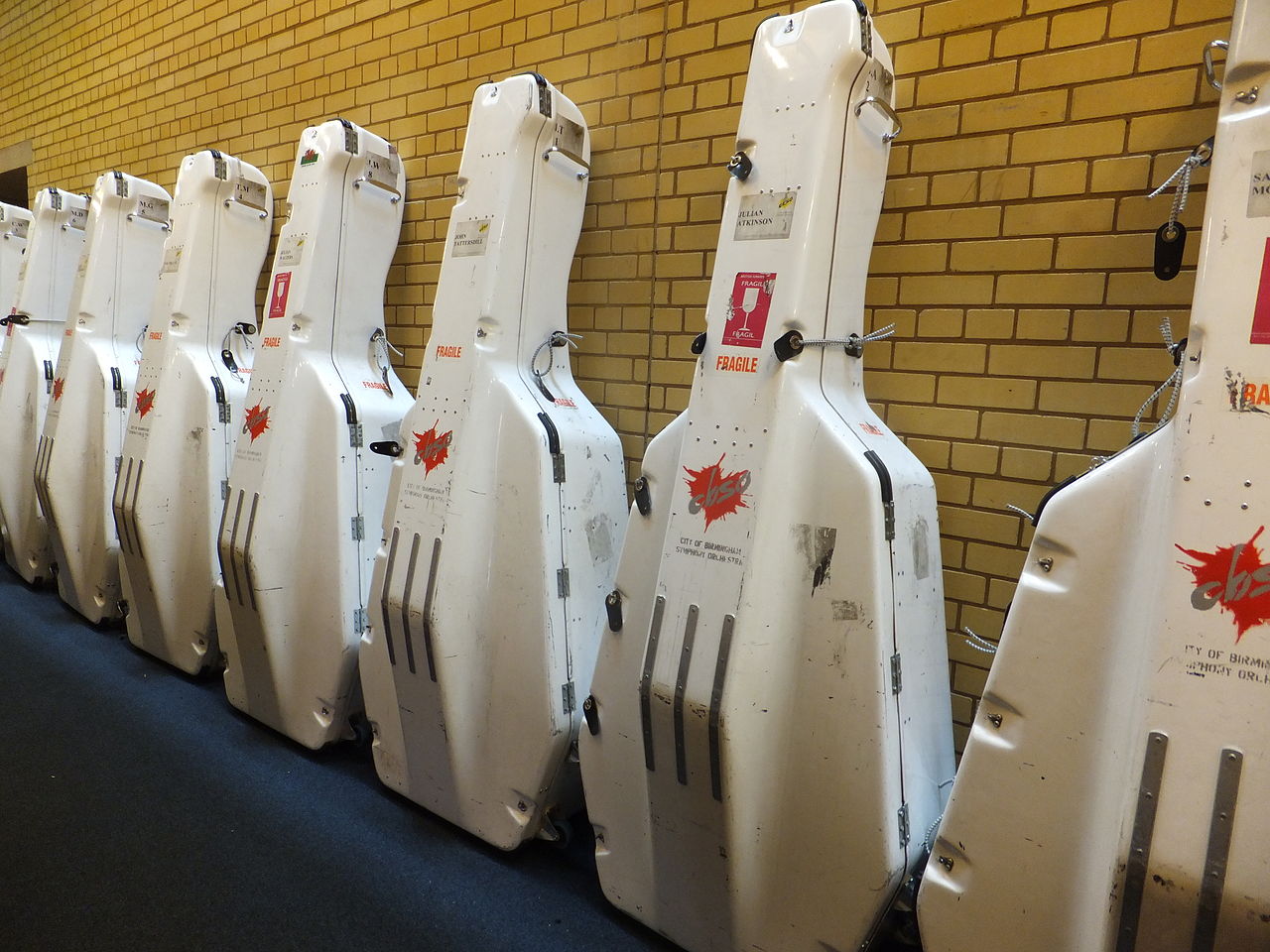
A: Yes, due to its large size and weight it can be difficult to transport a double bass from one place to another.
Related articles
Author
AlegsaOnline.com Double bass (contrabass, upright bass) Leandro Alegsa
URL: https://en.alegsaonline.com/art/28628