
Bellows: design, history, and common uses
Bellows are devices that deliver a directed flow of air by expanding and contracting a flexible chamber. This article explains their parts, history, varieties, and uses in crafts, music, and industry.
Overview
A bellows is a mechanical device that produces a controlled flow of air by changing the volume of a flexible chamber. In its simplest form it consists of a sack, bag, or hinged pair of boards that trap air and push it through a narrow outlet when compressed. Bellows range from small hand-held tools used to stoke a domestic fire to large systems that supply wind to complex musical instruments or industrial furnaces.
Image gallery
7 Images



Typical construction and types
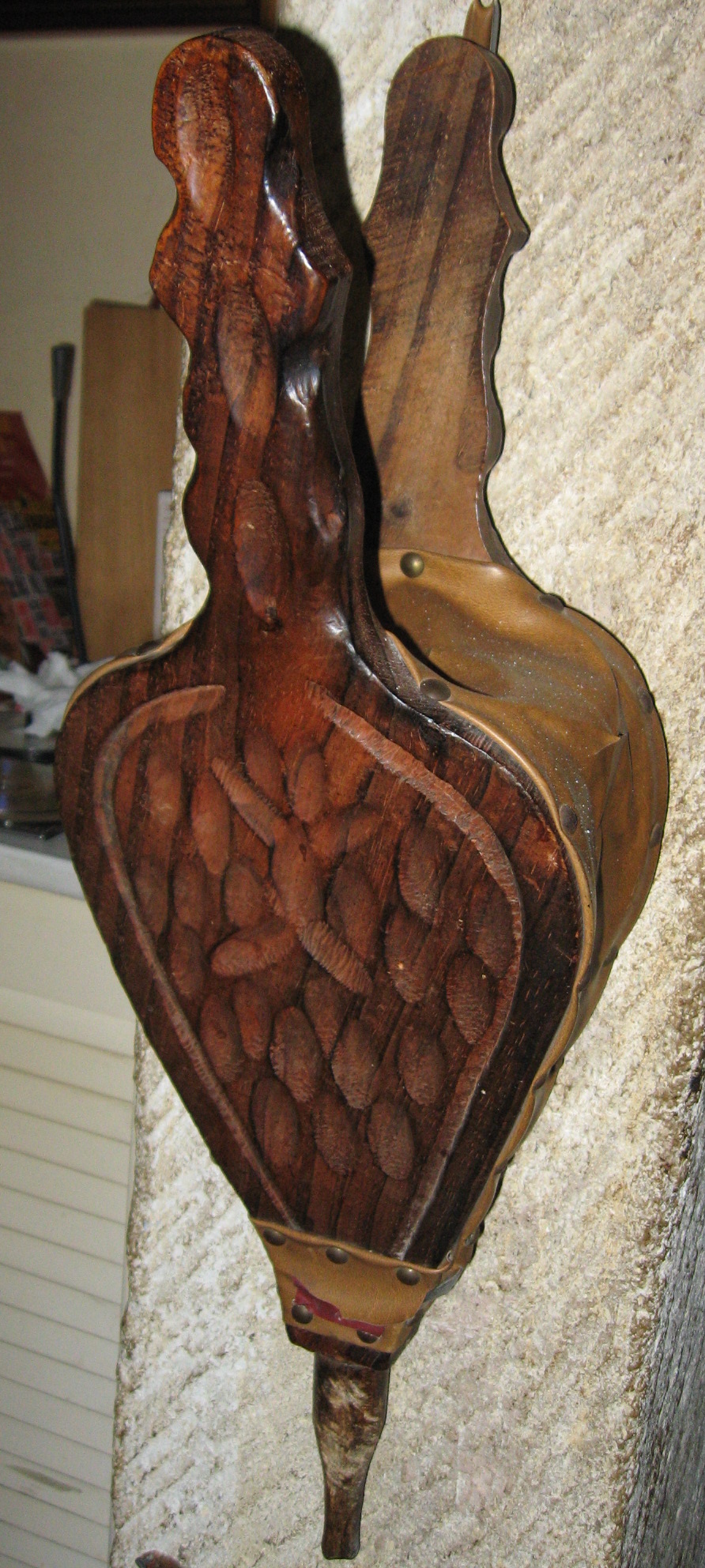
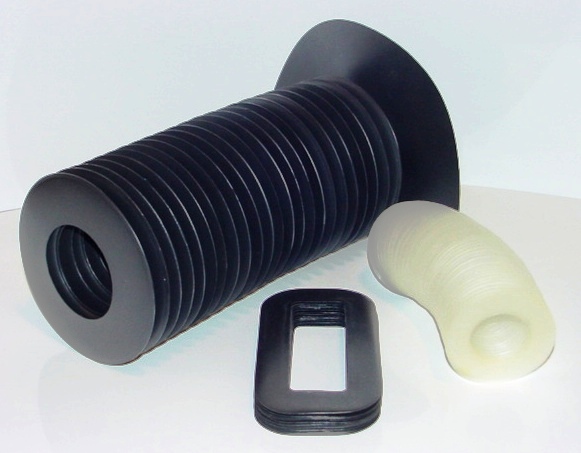
Most bellows share several basic elements: an air chamber made of leather, fabric, or modern synthetic materials; rigid framing or plates that guide the expansion and contraction; and one or more valves or nozzles that direct airflow. Common forms include single-concertina bellows (a single foldable bag), double-acting piston bellows, and accordion-style pleated bellows used in musical instruments. Modern installations may substitute electric blowers or fans where constant pressure is required.
History and development
Bellows have been used for millennia to increase combustion and to provide controlled airflow for metalworking and cooking. Early bellows were simple handheld devices; over time craftsmen added valves, larger chambers, and mechanical linkages to increase efficiency and convenience. In large pipe organs, complex bellows systems historically required manual pumping by assistants but were progressively replaced by mechanical and then electrical power sources as technology advanced. See examples in organ construction at pipe organ and electrical adaptations at electric drives.
Uses and examples
Bellows serve in three broad areas:
- Metallurgy and metalwork: blacksmiths and forges use bellows to raise furnace temperatures for forging and smelting; see general information about blacksmiths, smelting, and techniques that can require additional air such as welding.
- Music: many traditional and folk instruments rely on bellows to supply wind. Examples include smaller free-reed instruments and pipes: small musical instruments, bagpipes, accordions, concertinas, and the foot-pumped harmonium.
- Domestic and industrial air delivery: from fireplace bellows to air handling in historical workshops and some modern artisan studios that use manual or powered bellows for controlled ventilation.
Operation, distinctions, and notable facts
Bellows produce pulsed or continuous airflows depending on design. Hand-operated bellows create intermittent bursts of air, while compound or motor-driven systems can provide steadier pressure. They should be distinguished from electric blowers and compressors: bellows supply air by volume displacement of a flexible chamber, whereas compressors and fans typically rely on rotating elements. Materials and maintenance matter: leather and fabric bellows are vulnerable to drying and tearing, so regular inspection, conditioning, and replacement of seals extend service life.
Because of their simple principle and adaptability, bellows remain in use where a compact, directed source of air is needed or where the tactile control afforded by manual operation is desirable. They also retain cultural and historical significance through their role in traditional crafts and music.
Questions and answers
Q: What is a bellows?
A: A bellows is a device that blows air into a small opening to make something work.
Q: What does a bellows have in it?
A: A bellows has a kind of sack which contains air.
Q: What happens when a bellows sack is squeezed?
A: When a bellows sack is squeezed, the air is pushed out.
Q: What are some examples of bellows that are small and operated by hand?
A: Bellows that are small and operated by hand include those used for stoking a fire in an open fireplace.
Q: What are some examples of large bellows that are powered by electricity?
A: Large bellows that are powered by electricity are those used to produce air for a large pipe organ to be played.
Q: What are some of the uses of bellows for blacksmiths or metalworkers?
A: Bellows are used by blacksmiths or metalworkers for smelting and welding.
Q: What are some small musical instruments that use bellows?
A: Small musical instruments that use bellows include bagpipes, accordions, and concertinas.
Related articles
Author
AlegsaOnline.com Bellows: design, history, and common uses Leandro Alegsa
URL: https://en.alegsaonline.com/art/10363