
Basra Governorate (Al Basrah)
Basra Governorate is Iraq's southeastern province centered on the port city of Basra. It is a strategic oil, maritime and agricultural region with unique geography, history and environmental challenges.

Basra Governorate, often rendered Al Basrah, is a province in the far southeast of Iraq. Its capital is the city of Basra, a long-established port and commercial centre. The governorate covers roughly 19,070 square kilometres and is home to about 2.5 million people, making it one of the country’s most populous and economically significant provinces. The region is known by its Arabic name, البصرة, in many historical and cultural sources.
Image gallery
4 Images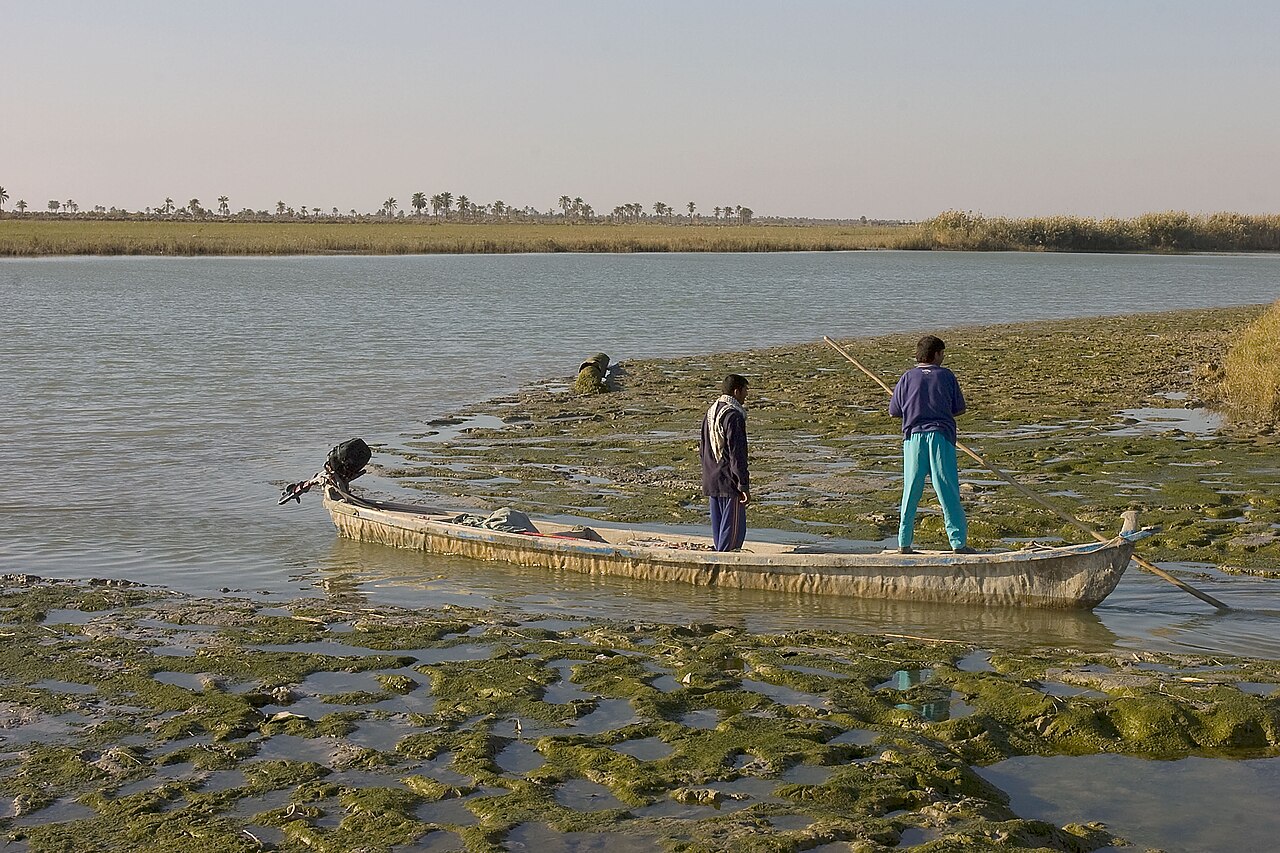


Geography and environment
Basra lies where the Tigris and Euphrates rivers meet to form the Shatt al-Arab waterway, which flows south to the Persian Gulf. The landscape includes riverine plains, marshes and a short coastline. The Mesopotamian marshes at the northern edge of the governorate are ecologically important and have been the focus of restoration efforts. Coastal wetlands, saline soils and seasonal flooding shape local agriculture and settlement patterns.

History and development
The city of Basra has ancient roots as a military and trading harbour and grew into a key commercial hub under successive empires. Over centuries it has served as a gateway for maritime trade, cultural exchange and religious scholarship. In the 20th century the governorate’s fortunes shifted with the discovery and exploitation of petroleum, rapid urban growth and its strategic role in regional conflicts and reconstruction efforts.
Economy and infrastructure
Basra Governorate is central to Iraq’s oil industry and to its seaborne trade. Major facilities include port terminals and export terminals that handle crude oil and imports. Agriculture remains important locally, with date palms, small-scale farming and fishing along the waterways. Urban infrastructure — roads, ports, refineries and public services — has been expanded and repaired intermittently, but demands from population growth and industry remain high.
Administration, population and districts
The governorate is divided into several districts that mix urban, riverine and coastal communities. Prominent areas include the provincial capital and districts such as Al-Zubair, Al-Qurna and Umm Qasr, which contains a deep-water port. Local government administers services, security and development projects while coordinating with national authorities on oil, transport and environmental policy. For more administrative details see the province overview at official provincial resources.
Notable facts and challenges
Basra’s importance stems from its maritime access and petroleum resources, but the governorate faces persistent challenges: water salinity and shortages, industrial pollution, periodic social unrest, and the need for reconstruction after conflict. Conservation of the marshes and improvement of urban services are ongoing priorities. Travelers and researchers commonly consult regional maps and guides that highlight Basra’s ports, historical sites and natural features; further information is available through local cultural and economic profiles such as regional references.
- Key waterways: Shatt al-Arab and the lower courses of the Tigris and Euphrates.
- Major economic activities: oil export, port operations, agriculture and fishing.
- Environmental focus: marsh restoration and coastal management.
Tags
Related articles
Author
AlegsaOnline.com Basra Governorate (Al Basrah) Leandro Alegsa
URL: https://en.alegsaonline.com/art/9277