
Babil Governorate, Iraq
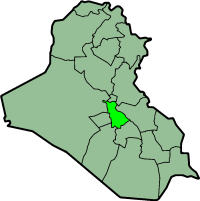
Babil Governorate is a province in central Iraq, home to the modern city of Al Hillah and the archaeological site of ancient Babylon; it is an agricultural and culturally important region south of Baghdad.
Overview
Babil Governorate is an administrative province in central Iraq whose modern identity is closely tied to the ancient city after which it is named. The governorate covers roughly 6,468 square kilometres and is home to around two million people, with the provincial capital at Al Hillah. The name Babil is the Arabic form of Babylon and reflects the region's long history as part of Mesopotamia.
Image gallery
8 Images




Geography and environment
The governorate lies on the alluvial plain between Iraq’s major rivers and benefits from irrigation that supports intensive agriculture. Soils in the region are fertile and the climate is arid to semi‑arid, with hot summers and mild winters. Large parts of Babil are devoted to crop production and orchards, and the landscape alternates between cultivated fields and urban areas around market towns and the provincial capital.
History and heritage
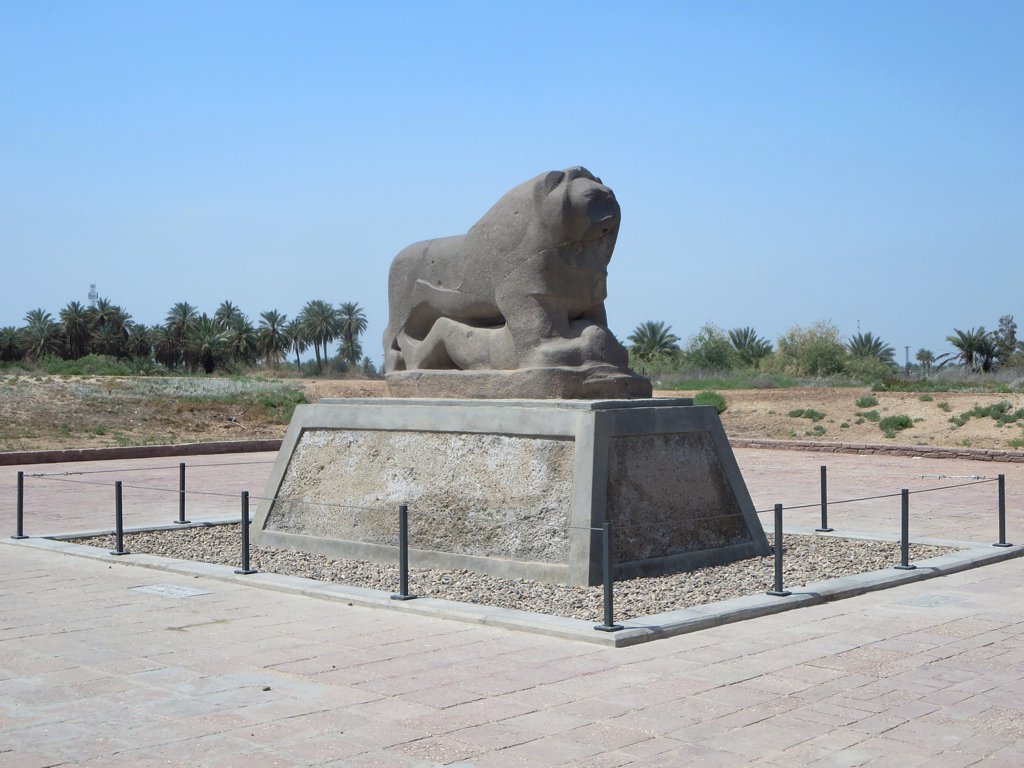
Babil contains the ruins of ancient Babylon, one of the best‑known cities of antiquity and a focal point of Mesopotamian civilization. The archaeological remains attract scholarly attention and public interest because they include monumental architecture, inscriptions and layers of occupation that document millennia of human settlement. The modern governorate overlays this deep past, and local identity is shaped by both contemporary Iraqi life and this archaeological heritage.
Administration and population
The governorate is divided into several administrative districts that center on principal towns. Important districts include Al Hillah (the capital), Al‑Hashimiyah, Al‑Iskandariya and Musayyib. The population is predominantly Shia Muslim, and towns vary from densely populated urban neighborhoods to smaller rural villages. Local governance handles services, agriculture planning and preservation of historical sites.
Economy and society
Agriculture is a mainstay of the economy: cereals, vegetables and date palms are common crops, and local markets serve the surrounding countryside. There are also light industries, construction firms and services that cater to the urban population. Transport links connect Al Hillah with Baghdad and southern provinces, making Babil both an agricultural supplier and a transit region for trade.
Conservation, tourism and notable issues
The presence of the Babylon ruins gives the governorate international cultural significance, but preservation and sustainable tourism present ongoing challenges. Archaeological conservation must be balanced with urban development and agricultural needs, and authorities, scholars and community groups work on protection and interpretation of the sites. For further administrative, historical and visitor information see local resources and government pages such as provincial overview and cultural heritage references like site reports.
Tags
Related articles
Author
AlegsaOnline.com Babil Governorate, Iraq Leandro Alegsa
URL: https://en.alegsaonline.com/art/8034