
Abadan, Iran
Abadan is a port city on Abadan Island in southwestern Iran, historically shaped by its large oil refinery, strategic location on the Shatt al-Arab waterway, and wartime experiences.
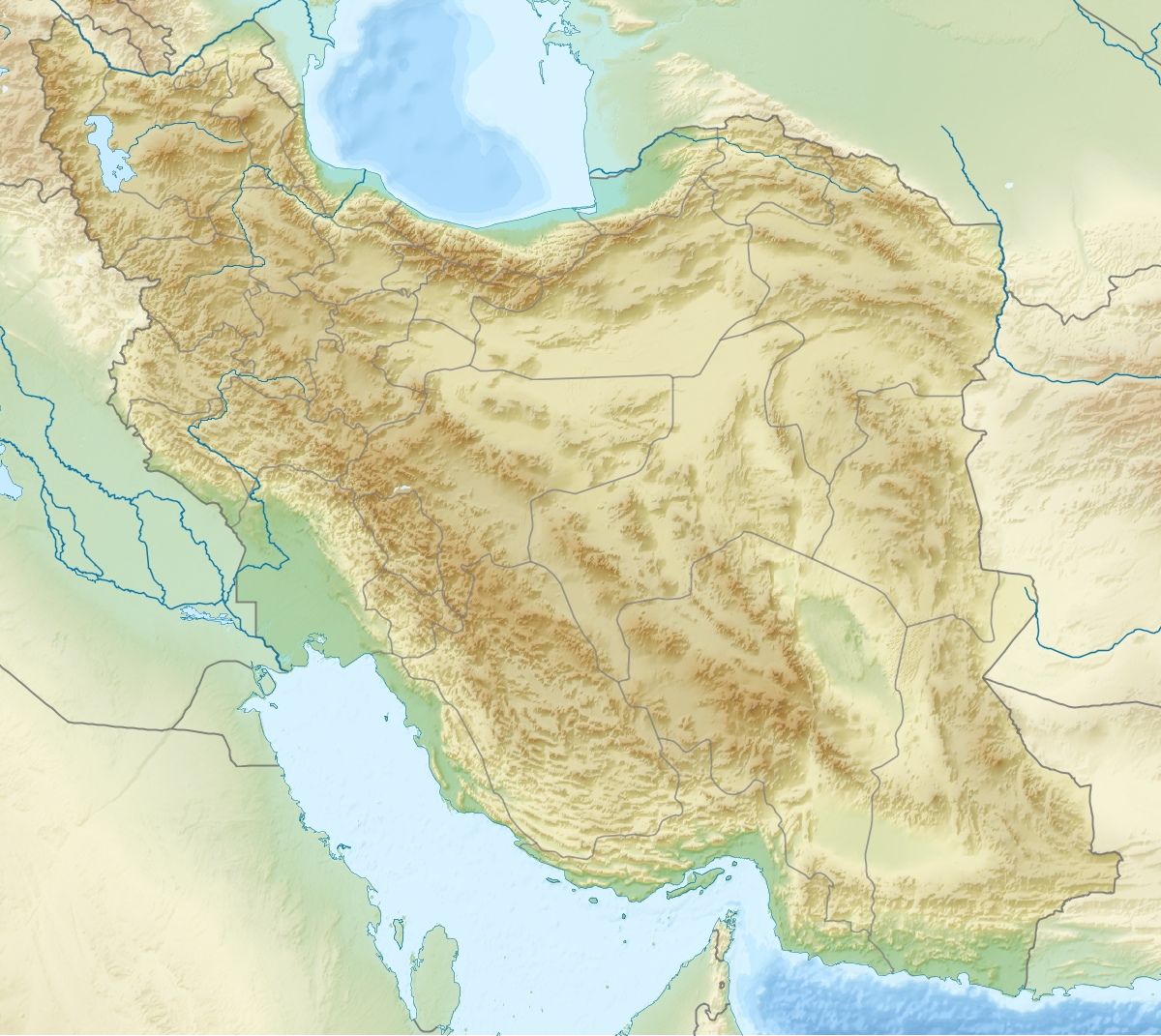
Abadan is a city in southwestern Iran located on Abadan Island where several river channels meet the Persian Gulf. It developed into a major urban center in the 20th century because of oil refining and port activities. The city has experienced rapid growth, wartime destruction and postwar reconstruction, and a mix of ethnic and cultural influences rooted in its role as an energy and transport hub.
Image gallery
10 Images




Geography and climate
Abadan sits between the Bahmanshir branch and the main channel of the Shatt al-Arab (Arvand Rud), giving it direct access to maritime routes. The landscape is flat and low-lying, with tidal waterways and nearby marshes. The climate is classified as hot and arid: summers are extremely hot and humid near the coast, while winters are mild. These conditions influence urban planning, industry siting and daily life.
History
The modern city grew alongside Iran's early petroleum industry when foreign and later national oil companies established large refining facilities on Abadan Island. Over the 20th century the refinery became a major employer and the focal point of national economic and political debates about oil control. During the Iran–Iraq War Abadan suffered heavy damage and population displacement; rebuilding has been gradual in the decades since.
- Early 20th century: rapid expansion tied to oil refining and port development.
- Mid-20th century: centre of oil industry nationalization movements and labour activity.
- 1980s: frontline city during the Iran–Iraq War, extensive destruction and later reconstruction.
Economy and infrastructure
Abadan's economy remains closely linked to petroleum refining, petrochemical plants and related services, as well as port operations and inland transport. The Abadan Refinery was long among the region's largest refining complexes; even after wartime damage it has been a central element of local industry. The city has road and river links that support cargo movement and regional trade.
Culture and notable facts
As an industrial port, Abadan has attracted diverse communities, including Persian and Arab residents, and retains a local culture shaped by maritime and oil-worker traditions. It is known for active sports clubs and for literature and memoirs describing life before, during and after conflict. Today Abadan is often cited in discussions of Iran's energy history and as an example of urban resilience and industrial redevelopment.
Tags
Related articles
Author
AlegsaOnline.com Abadan, Iran Leandro Alegsa
URL: https://en.alegsaonline.com/art/285
Sources
- world-gazetteer.com : "World Gazetteer"
- commons.wikimedia.org : Abadan