
Alexandroupoli, Greece
Port city in northeastern Greece, capital of the Evros regional unit. Known for its strategic location near Turkey and Bulgaria, its port and lighthouse, proximity to the Evros Delta, and regional transport links.
Alexandroupoli is a coastal city in northeastern Greece, serving as the administrative center of the Evros regional unit. Located on the Aegean shore, it lies close to the land borders with Turkey and Bulgaria. According to the 2011 national census the city had a municipal population of roughly 57,800 people, and it functions as a regional hub for services, shipping and commerce.
Image gallery
10 Images




Geography and environment
The city occupies a flat coastal plain near the delta of the Evros (Meriç) River, an ecologically significant wetland that supports migratory birds and diverse habitats. The coastline and nearby wetlands are recognized for their ecological value and attract birdwatchers and nature-oriented visitors. Alexandroupoli's mild Mediterranean-influenced climate features warm summers and cool, wetter winters compared with interior Greece.
History and development
The settlement grew in the late Ottoman and early modern periods as a port and market town. Historically known by other names under Ottoman rule, it became part of the modern Greek state in the early 20th century. The name Alexandroupoli was adopted in honor of King Alexander of Greece. Over the 20th century the city expanded as transportation links and port facilities developed.
Economy and transport
Alexandroupoli's economy combines port activity, fisheries, trade, public administration and services. The port handles coastal shipping and freight, and the city is a railway and road junction connecting northeastern Greece to the national network. An international airport near the city provides air links and supports regional tourism. The strategic location close to the Turkish and Bulgarian frontiers also gives it logistical and geopolitical importance within the wider Thrace area.
Culture, landmarks and tourism
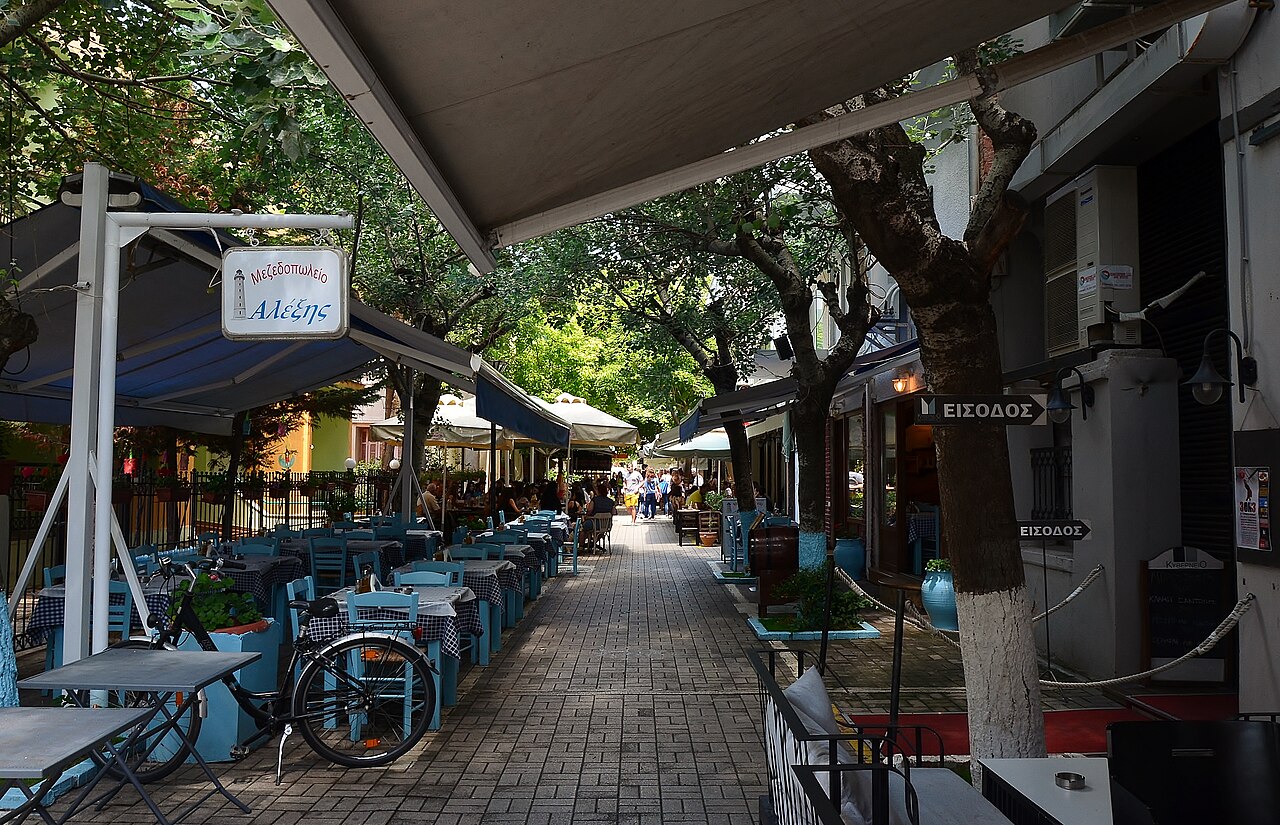
Notable local landmarks include the Alexandroupoli lighthouse, promenades along the seafront and municipal parks. The nearby Evros Delta and other protected sites draw nature tourism, especially birdwatching. The city hosts regional cultural events, serves as an educational and health-services center for surrounding communities, and offers hotels and dining that reflect Thracian and Greek coastal traditions.
Administrative context and links
- Region: part of the Greek administrative region of Thrace.
- Regional unit: capital of the Evros unit.
- Cross-border ties: proximity to Turkey and Bulgaria shapes commerce and transport.
- Country context: key northeastern port of Greece.
As a regional center, Alexandroupoli combines natural attractions, transport infrastructure and administrative functions. Its coastal position and the surrounding wetlands make it notable both for commerce and for conservation-minded tourism.
Tags
Related articles
Author
AlegsaOnline.com Alexandroupoli, Greece Leandro Alegsa
URL: https://en.alegsaonline.com/art/2431