
Basra (Al-Baṣrah) — Iraqi port city and historical cultural center
Basra is a major Iraqi port on the Shatt al‑Arab, founded in the early Islamic era. It has long importance for trade, religion, scholarship, oil and the marshland cultures of southern Iraq.
Basra (Arabic: البصرة; Al‑Baṣrah) is a principal southern city of Iraq and one of its largest urban centers. The city lies near where the Tigris and Euphrates river systems meet the Persian Gulf, giving it strategic importance as the country’s principal port and an historic hub for riverine and maritime trade. Contemporary sources have estimated the population in the early 21st century at around 2.6 million (2003), though figures have varied since then.
Image gallery
10 Images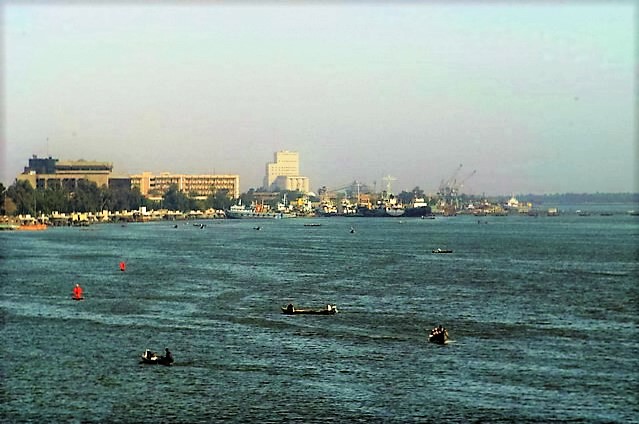


Geography and environment
Basra occupies low, flat terrain along the Shatt al‑Arab waterway and is closely linked to the Mesopotamian marshes of the south. The local environment combines hot, humid summers and mild winters, with landscapes that once included extensive reed beds, fisheries and groves of date palms. The Shatt al‑Arab channel and nearby estuaries shape the city’s economy and ecology, but also expose it to risks from salinity, pollution and seasonal flooding.
History and development
The town emerged in the early Islamic era: traditional accounts date its foundation to the period shortly after the Hijra, commonly cited as 14 AH (approximately 635 CE). From antiquity through the medieval period Basra was an important military, commercial and cultural base. In the early Islamic centuries it became known as a center of learning, medicine and Arabic prose; notable scholars and writers associated with the city contributed to literature, theology and the Basran school of Arabic grammar.
Economy and the port
Basra’s economy revolves around its port facilities, river transport and access to the Persian Gulf. In modern times the discovery and export of oil in southern Iraq transformed the region’s economic role. The city handles imports and exports, supports fisheries and related industries, and serves as a logistics center for energy and shipping sectors. Infrastructure, however, has been affected at times by conflict and by environmental damage to waterways.
Culture and society
The population of Basra is culturally diverse with a strong presence of Shiʿa communities, marsh Arab groups, merchants and laborers tied to riverine trades. The city has a long literary and intellectual tradition and is celebrated in Arabic poetry and prose for its cultural contributions. Local cuisine, music and social life reflect the interaction of river, gulf and desert influences.
Challenges and notable facts
Basra faces several contemporary challenges: restoration of marshlands that were drained in the late 20th century, management of water salinity and pollution, and the rebuilding of urban services after years of political upheaval. Its strategic location keeps it central to Iraq’s economy and regional connections. For more on the city’s modern status and civic developments, see resources on Basra and broader material about southern Iraq.
- Key waterway: Shatt al‑Arab estuary
- Historic roles: port, military garrison, learning center
- Cultural notes: association with early Arabic prose and scholarship
Related articles
Author
AlegsaOnline.com Basra (Al-Baṣrah) — Iraqi port city and historical cultural center Leandro Alegsa
URL: https://en.alegsaonline.com/art/9278