
Plymouth, Devon — coastal city and naval port in South West England
Plymouth is a coastal city and unitary authority in Devon, South West England, known for its naval base at Devonport, maritime history and location at the mouth of the River Plym.
Overview
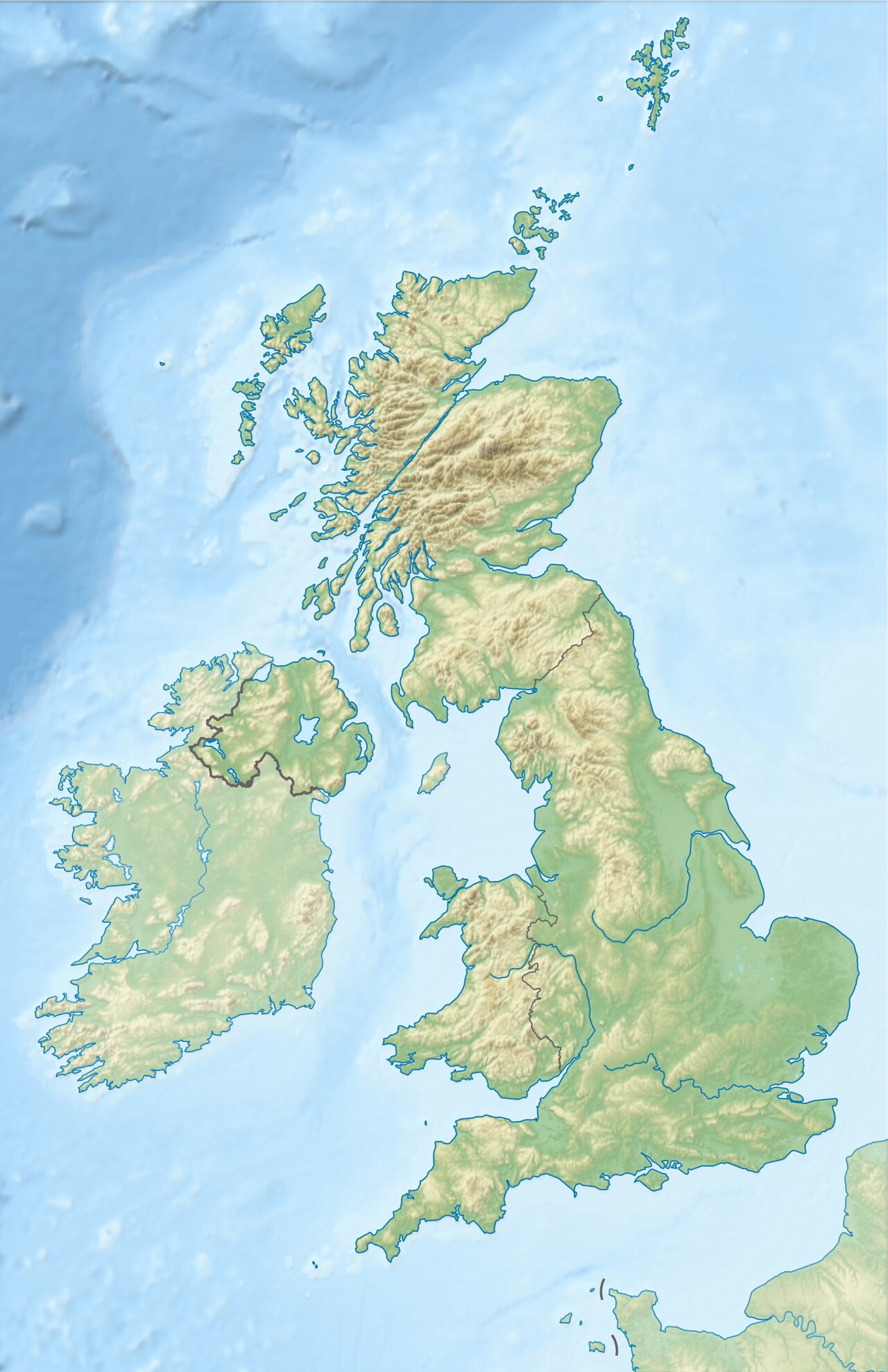
Plymouth is a city and administrative unit in the county of Devon, located on England's South West coast. It functions as a unitary authority and is the largest urban area in the county. The city sits where the River Plym reaches the sea and lies close to the mouth of the River Tamar and its wide tidal channel, the Hamoaze. Today Plymouth is both a regional centre for services and education and a port with long naval and commercial traditions.
Image gallery
10 Images
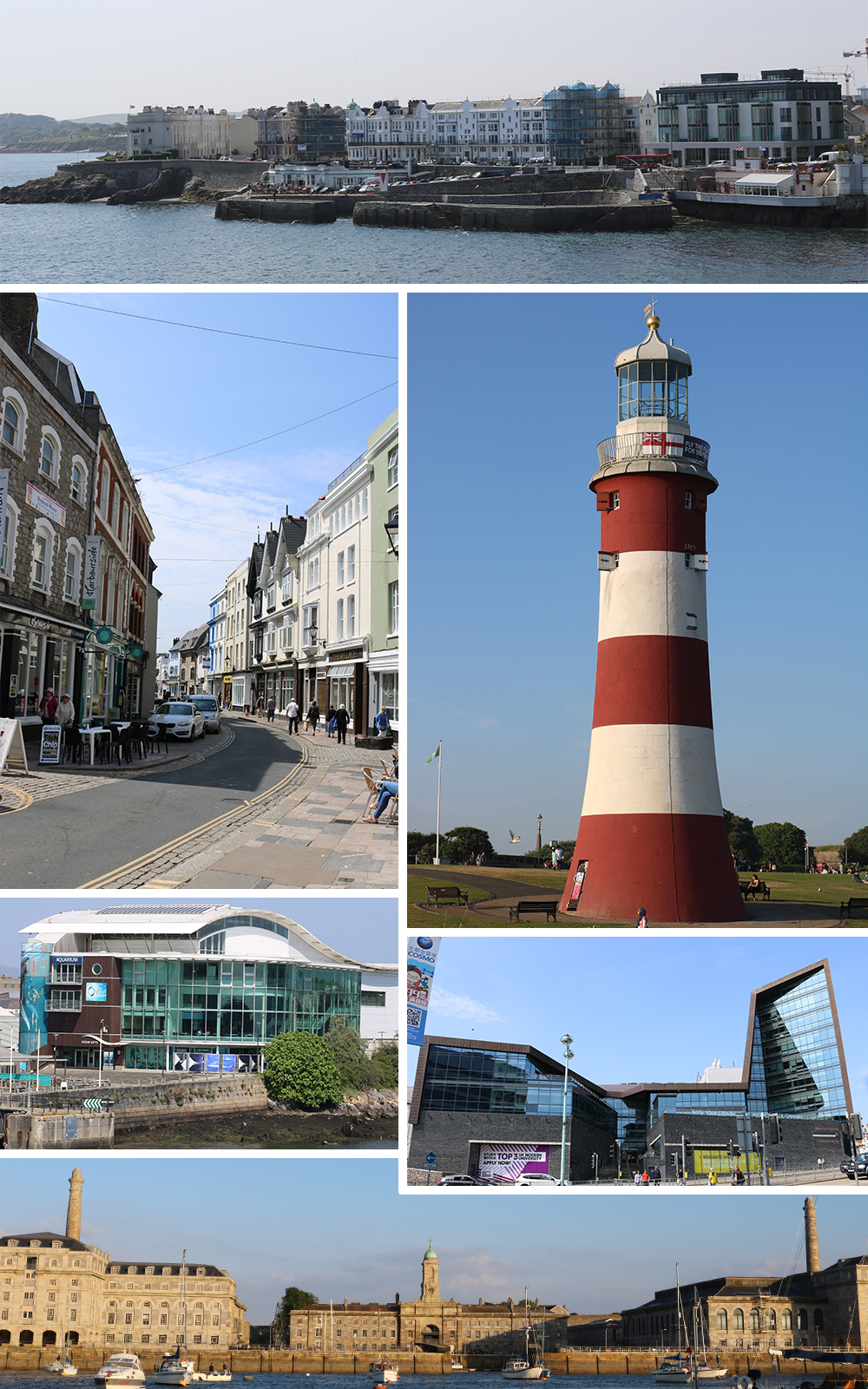


Geography and name
Plymouth occupies a sheltered coastal position on the city's south-facing shoreline. The river that runs through the city gives Plymouth its name: historically the town grew up at the mouth of the Plym — "Plym-mouth". To the west the River Tamar forms much of the county boundary and its estuary opens into the Hamoaze, an important deep-water approach to the naval base and docks.
History and maritime importance
The city's history is closely tied to seafaring, exploration and defence. For centuries Plymouth served as a departure point for ships bound for the Americas and beyond. Its harbour and dry docks developed into a major naval complex at Devonport, providing berths, repair facilities and support for the Royal Navy. This naval presence shaped the growth, industry and identity of the city.
Economy, port and institutions
Plymouth's economy blends maritime activity with education, public services and tourism. The large port at Devonport remains one of the city's defining employers and facilities. The urban area hosts higher education institutions, cultural venues and retail centres that serve the city and surrounding South West region. Transport links include road routes, rail connections and ferry services across nearby estuaries.
Landmarks and cultural life
The city contains a mixture of historic and modern landmarks. Notable places include:
- the Hoe, a prominent waterfront promenade with sea views and memorials;
- the Barbican, an old quarter of cobbled streets, galleries and cafes;
- maritime museums and historic dockyards that interpret the naval past.
Plymouth stages festivals, hosts museums and supports artistic and sporting activity that reflect both its coastal setting and urban character.
Governance and surrounding area
As a city and unitary authority, Plymouth manages local services for its population of roughly a quarter of a million people. The wider area includes suburban districts and is closely linked to neighbouring towns across the Tamar estuary; the mouth of the Tamar is often cited as an important navigational and ecological zone and is referenced locally as the Hamoaze. Plymouth remains a focal point for the South West's maritime, economic and cultural life.
Further reading and resources can be found via local archives and civic sources: see municipal materials and regional guides for up-to-date details on governance, transport and attractions (region, coast, port, navy).
Questions and answers
Q: Where is Plymouth located?
A: Plymouth is located in Devon in the South West of England.
Q: How large is the port at Devonport?
A: The port at Devonport is large and is used by the Royal Navy.
Q: How many people live in Plymouth?
A: Nearly 250,000 people live in Plymouth.
Q: Is Plymouth the largest place in Devon?
A: Yes, Plymouth is the largest place in Devon.
Q: What river is located west of Plymouth?
A: The River Tamar is located west of Plymouth.
Q: What is the mouth of the River Tamar called?
A: The mouth of the River Tamar is called the Hamoaze.
Q: What does Plymouth mean?
A: Plymouth means mouth of the River Plym.
Related articles
Author
AlegsaOnline.com Plymouth, Devon — coastal city and naval port in South West England Leandro Alegsa
URL: https://en.alegsaonline.com/art/77541