
Southern (Govia Thameslink Railway): Overview of the UK regional train operator
Southern is a regional train operator in south-east England, operating commuter and regional services around London, Sussex and Kent. It is part of the Govia Thameslink Railway group.
Overview
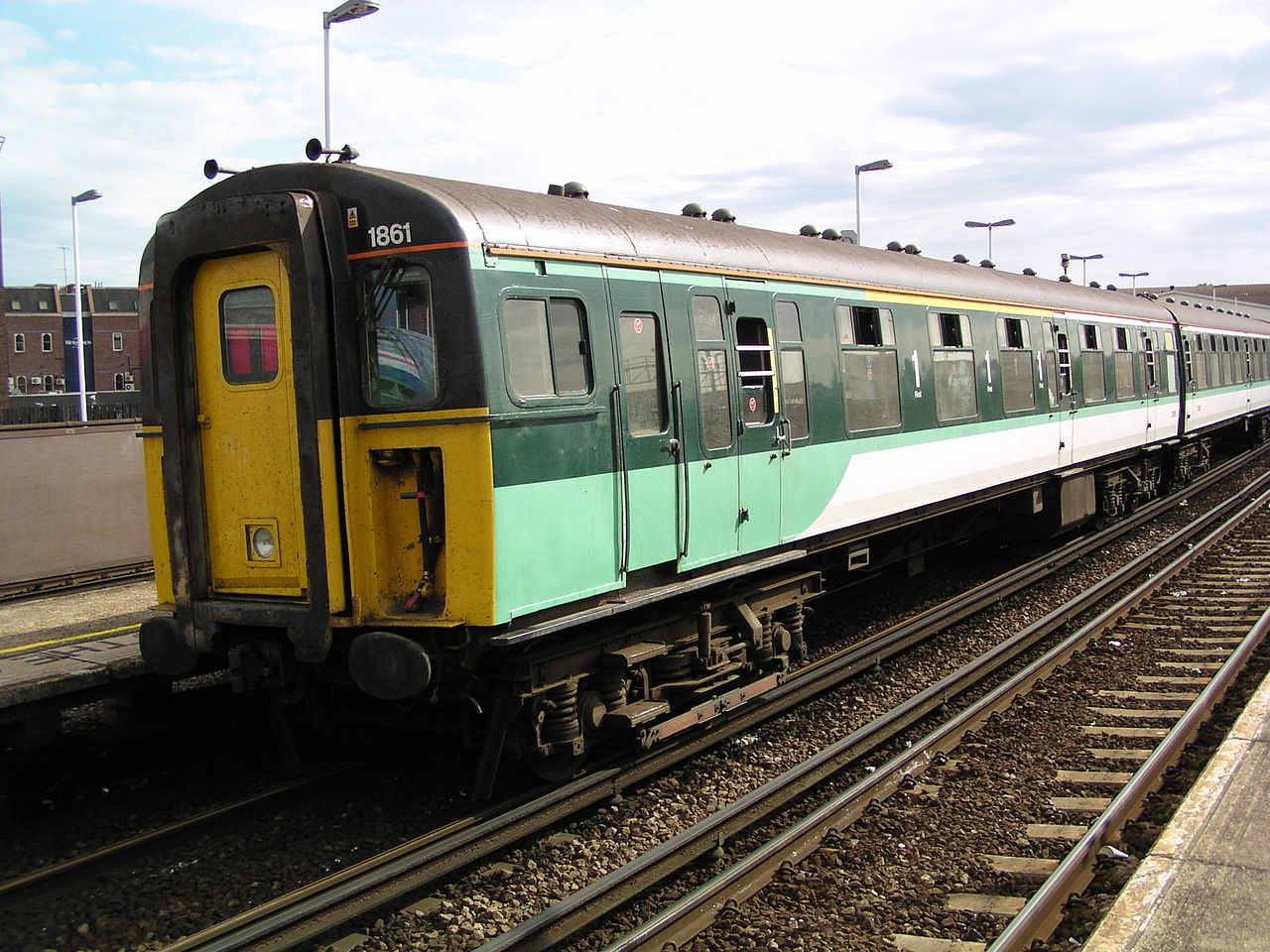
Southern is the brand used by a passenger train operator serving the south-east of England. It provides suburban and regional rail services connecting London with coastal and commuter towns. Southern forms one part of the larger Govia Thameslink Railway organisation; Govia is the joint venture that manages the franchise under which Southern runs services.
Image gallery
10 Images


Network and services
The company's network focuses on routes radiating from London into surrounding counties. Typical destinations include central and suburban London and towns across the south of England, such as routes serving London, Kent, West Sussex and East Sussex. Services range from short commuter runs to longer regional journeys and include connections to key transport hubs and coastal resorts.
Characteristics and rolling stock
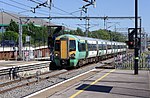
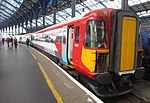
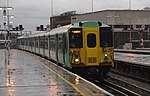
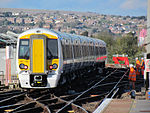
Southern operates electric multiple-unit trains on electrified lines, offering frequent peak-time commuter services and off-peak regional links. Trains are typically configured for high-capacity commuter use, with a mix of seating and standing space to suit short journeys. Onboard facilities and timetable patterns vary by route.
History and organisation
Southern became part of the Govia Thameslink Railway operation when a multi-franchise contract grouped several services under a single operator. The brand operates within the regulatory and franchising framework used for passenger rail in Great Britain and coordinates with Network Rail on infrastructure matters.
Uses and importance
Southern's services are important for daily commuters into London, for airport and intercity connections at major interchange stations, and for leisure travel to seaside destinations. Its role in the regional transport network supports economic activity and local accessibility across the counties it serves.
Performance, customer aspects and distinctions
Like many urban and regional operators, Southern has faced challenges such as service disruption at times and disputes over staffing or working conditions. It has also undertaken timetable and fleet changes aimed at improving reliability. Passengers can buy tickets through standard national channels and find route and timetable information via operator and rail industry portals (company information and national journey planners).
- Service types: commuter, regional and airport links.
- Geographic focus: London commuter belt and the Sussex/Kent coasts.
- Organisational context: part of Govia Thameslink Railway under the UK franchising system.
Tracks
Southern trains operate on local routes in south London and the counties of Surrey and Sussex, and on the following main lines:
- Brighton Main Line: London Victoria/London Bridge - Brighton
- East Coastway Line: Brighton - Eastbourne - Hastings
- Sutton & Mole Valley Lines: London Victoria/London Bridge - Sutton - Dorking - Horsham or Guildford
- West Coastway Line: Brighton - Portsmouth or Southampton
- West London Line: Clapham Junction - Watford Junction
Rolling Stock
| Series | Image | Type | V/max | Number | Year of manufacture | |
| British class 73 |
| 145 km/h | 1965–1967 | |||
| British class 171 |
| 160 km/h | 171/2 - 2 | 2003–2004 | ||
| 171/4 - 4 | ||||||
| 171/7 - 2 | 10 | |||||
| 171/8 - 4 | ||||||
|
| ||||||
| British class 313 |
| Railcar (electric) | 120 km/h | 3 | 19 | 1976–1977 |
| British class 377 |
| Railcar (electric) | 160 km/h | 377/1 - 4 | 64 | 2002–2014 |
| 377/2 - 4 | ||||||
| 377/3 - 3 | 28 | |||||
| 377/4 - 4 | 75 | |||||
| 377/6 - 5 | 26 | |||||
| 377/7 - 5 | ||||||
|
| ||||||
| British class 442 |
| Railcar (electric) | 160 km/h | 5 | 1988–1989 | |
|
| ||||||
| British class 455 |
| Railcar (electric) | 120 km/h | 4 | 46 | 1982–1984 |
| British class 387 |
| Railcar (electric) | 177 km/h | 4 | 27 | 2015 |



Related articles
Author
AlegsaOnline.com Southern (Govia Thameslink Railway): Overview of the UK regional train operator Leandro Alegsa
URL: https://en.alegsaonline.com/art/92294
Sources
- govia.info : Govia official site