
Spanair — Catalonia-based Spanish airline (ceased operations 2012)
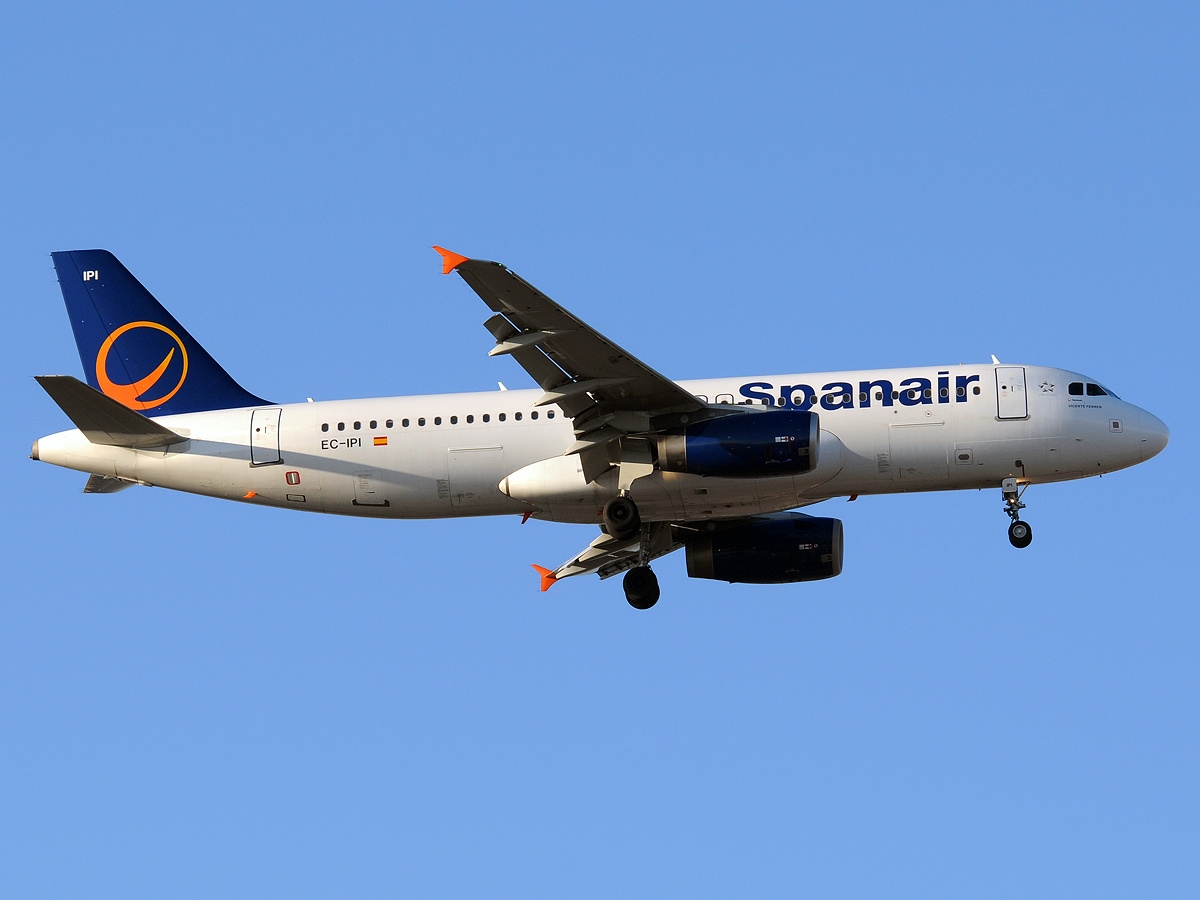
Spanair was a Catalonia-based carrier operating from Barcelona with services across Spain and Europe. It was a Star Alliance member and suspended operations on 27 January 2012 amid financial problems.
Overview
Spanair was an airline headquartered in Catalonia, Spain, that operated scheduled domestic and European services. Its principal base was at Barcelona Airport, and it also operated a significant number of flights from Madrid and Palma de Mallorca. The carrier served both business and leisure markets and was part of the global airline network through membership of the Star Alliance for a portion of its history.
Image gallery
8 Images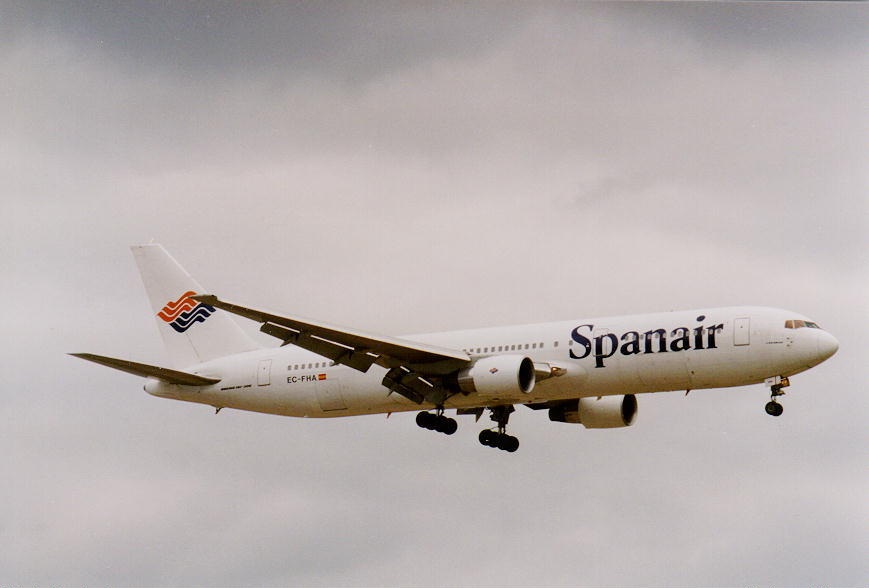



Operations and network
The airline focused on short- and medium-haul routes, connecting cities across the Iberian Peninsula and Western Europe. Typical operations included regular domestic links, point-to-point European services, and seasonal flights to popular holiday destinations. Key operating bases and route concentrations included:
- Barcelona Airport (main base)
- Madrid – major origin and destination flows
- Palma de Mallorca – seasonal leisure services
Fleet and service profile
Spanair operated a fleet composed mainly of narrow-body jet aircraft suitable for short- to medium-range sectors. The airline positioned itself as a full-service carrier for many routes, offering allocated seating, cabin service, and frequent flyer connections through alliance and codeshare partnerships. Like many regional carriers, it combined scheduled services with charter flights during peak holiday periods.
History and development
Founded in the late 20th century and based in Catalonia (Catalonia), Spanair expanded through the 1990s and 2000s to become one of Spain's better-known private carriers. It joined the global airline community by affiliating with the Star Alliance, which allowed passengers to access reciprocal connections and loyalty benefits. Over time the airline experienced several ownership and strategic changes as the European aviation market evolved.
Closure and legacy
On 27 January 2012 the airline abruptly suspended flight operations and subsequently announced its closure. The cessation followed a period of financial difficulties and unsuccessful attempts to secure new investment or a buyer. The shutdown affected thousands of passengers and staff and eliminated a familiar operator from Spain's aviation landscape. Spanair's history is also marked by operational challenges that contributed to its decline; its collapse is often cited in analyses of airline restructuring and market consolidation in Europe.
Notable facts and context
- Spanair was based in Catalonia, within Spain, and relied on the strategic position of Barcelona for international connections.
- Membership in global alliances provided broader connectivity beyond its own network.
- The airline's sudden end in 2012 is an example of how financial pressures and changing market conditions can rapidly halt airline operations.
For historical information or archival resources about routes, fleet types, or corporate developments, consult specialized aviation references and transport archives.
Questions and answers
Q: What was Spanair?
A: Spanair was an airline based in Catalonia, Spain.
Q: Where was Spanair's main base of operations?
A: Spanair's main base of operations was at Barcelona Airport.
Q: Did Spanair only fly from Barcelona Airport?
A: No, Spanair also flew many flights from Madrid Airport and Palma de Mallorca Airport.
Q: Was Spanair part of a major airline alliance?
A: Yes, Spanair was a member of the major airline alliance Star Alliance.
Q: When did Spanair stop its flight operations?
A: Spanair stopped its flight operations on the 27th of January, 2012.
Q: When was the closure of Spanair announced?
A: The closure of Spanair was announced on the same day it stopped its flight operations, on the 27th of January, 2012.
Q: Was Spanair a successful airline?
A: There is not enough information in the text to determine whether Spanair was a successful airline or not.
Related articles
Author
AlegsaOnline.com Spanair — Catalonia-based Spanish airline (ceased operations 2012) Leandro Alegsa
URL: https://en.alegsaonline.com/art/92465