
Diesel multiple unit (DMU)
A self-propelled passenger trainset in which each car or a combination of cars carries one or more diesel engines; used for regional, commuter and rural services.
A diesel multiple unit (DMU) is a passenger train composed of two or more semi-permanently coupled carriages that carry their own traction equipment rather than relying on a separate locomotive. In practice a DMU may range from a single self-contained railcar to a set of several cars, each fitted with engines, transmission, and driving cabs. The configuration is an example of a multiple unit layout where traction is distributed across the train.
Image gallery
10 Images


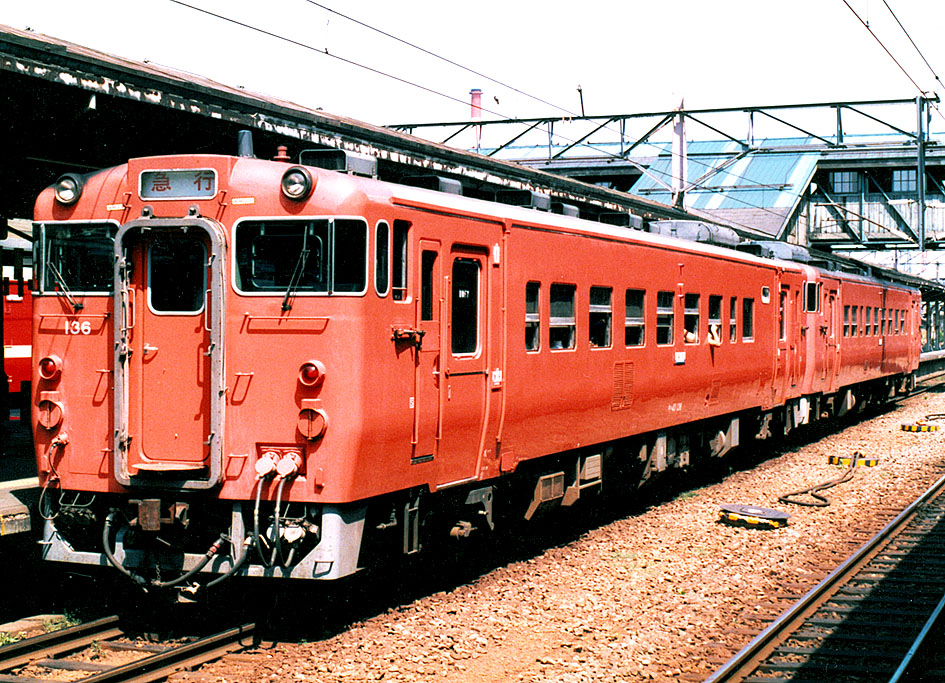


Design and main components
Typical DMU components include the diesel prime mover, a transmission system (mechanical, hydraulic or electric), fuel tanks, bogies, passenger accommodation, and driver controls. Propulsion may be directly mechanical, use hydraulic torque converters, or generate electricity for traction motors; many modern designs combine diesel engines with on-board battery or electrical systems.
Propulsion and fuel systems
The defining feature is the presence of on-board diesel engines installed underfloor, in a power car, or within each vehicle. Layouts vary: some units contain an engine in every car, while others concentrate power in dedicated motor cars. Hybrid arrangements that pair diesel engines with batteries or electrified sections exist to improve efficiency and reduce emissions.
History and development
DMUs emerged in the 20th century as an economical alternative to locomotive-hauled trains on routes with frequent stops or lower passenger volumes. They became popular for regional and branch-line services because of faster acceleration, simpler operations, and lower turnaround requirements. Over decades manufacturers refined seating, noise reduction, and emissions controls.
Uses, advantages and considerations
- Commonly used for commuter, intercity regional, and rural services where electrification is absent or uneconomic.
- Advantages: distributed traction improves acceleration, eliminates run-around or locomotive changes, and allows flexible train lengths.
- Considerations: diesel emissions, maintenance of multiple powerplants, and fuel costs; hybrid and cleaner diesel technologies address some concerns.
DMUs remain important in many rail networks worldwide because they provide a balance of operational flexibility and infrastructure cost savings. They are distinct from diesel locomotives hauling coaches and from electric multiple units, but modern designs increasingly borrow technologies from both to meet efficiency and environmental goals.
Related articles
Author
AlegsaOnline.com Diesel multiple unit (DMU) Leandro Alegsa
URL: https://en.alegsaonline.com/art/27305