
Passenger car (railway)
A railway passenger car (also coach or carriage) is a vehicle designed to transport people. This article explains types, construction, history, onboard features and common distinctions.
Overview
A passenger car is a type of railway rolling stock built to transport passengers. In different English-speaking regions it is often called a coach or carriage. Passenger cars exist in many forms, from simple suburban single-level cars to long-distance sleeping and dining cars, and they are designed for comfort, capacity and compatibility with locomotives or multiple-unit electrical systems.
Image gallery
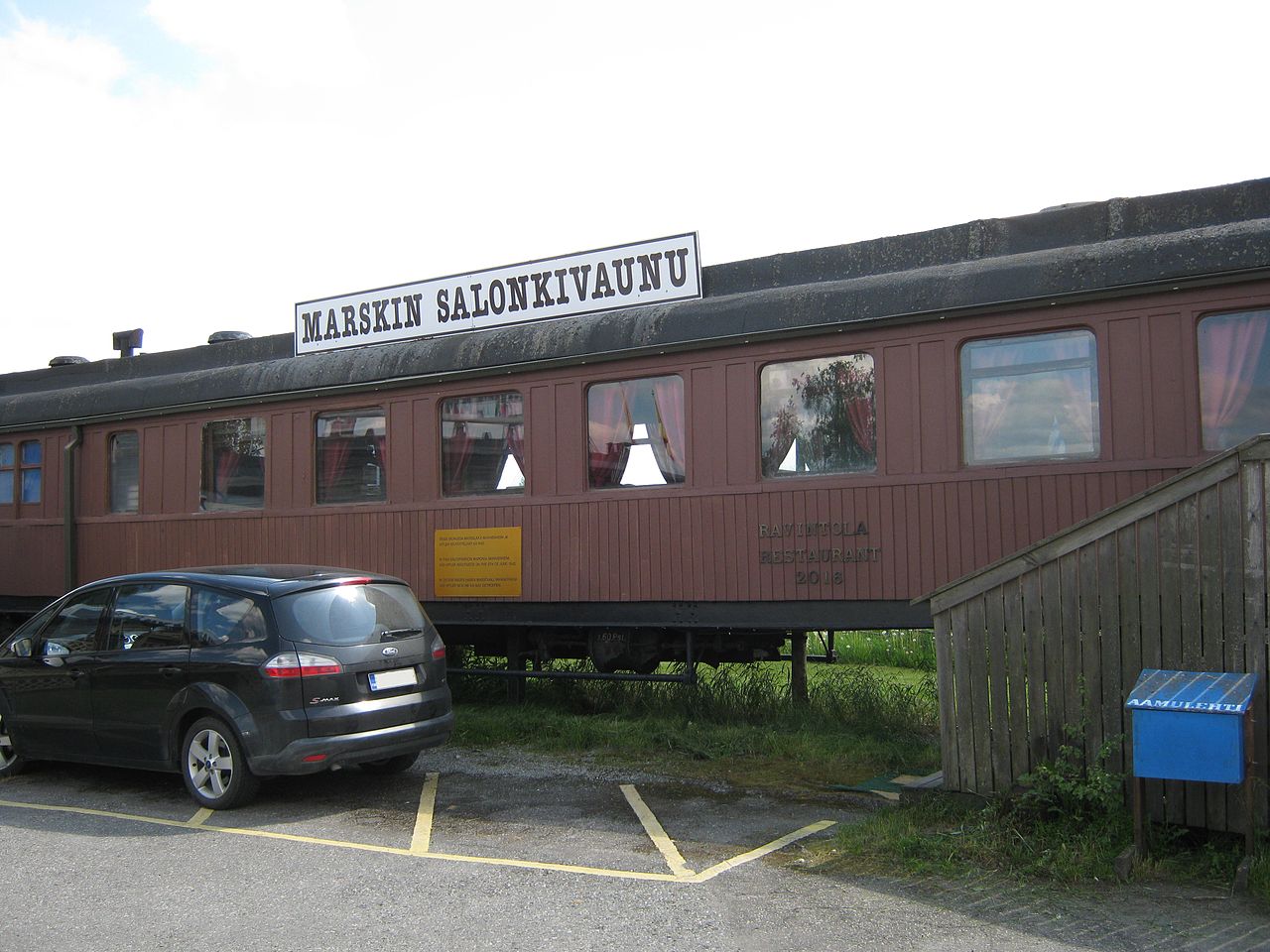
10 Images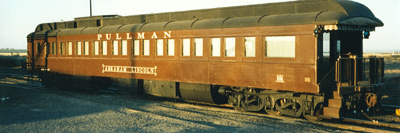




Key characteristics and components
Core elements include the car body, bogies (wheel assemblies), coupling and gangway systems, brakes and onboard utilities such as heating, ventilation and air conditioning. Interiors vary by purpose: fixed seating for commuters, compartment or open saloon layouts for intercity travel, and specialized fittings in sleeping, dining or panorama observation cars.
Common types
- Commuter and metro cars — optimized for high capacity and frequent stops.
- Intercity coaches — longer seats, luggage areas and sometimes onboard catering.
- Sleeper and couchette cars — berths for overnight travel.
- Dining and lounge cars — kitchen facilities and seating for meals.
- Bilevel and articulated cars — increase capacity or improve ride continuity.
History and development
Passenger cars evolved from early wooden carriages to more durable steel and aluminum construction as speed and safety demands grew. Innovations such as continuous braking, electric lighting, climate control and better suspension improved comfort and operational reliability. Regional standards and practices led to many designs adapted to local networks and loading gauges.
Uses and notable distinctions
Rail passenger cars are fundamental to public transport, long-distance travel and tourism. Distinctions include seating class, onboard services and whether cars are self-propelled as part of multiple-units. Modern priorities emphasize accessibility, energy efficiency and compatibility with signaling and platform infrastructure.
Related articles
Author
AlegsaOnline.com Passenger car (railway) Leandro Alegsa
URL: https://en.alegsaonline.com/art/74931