
Electro-diesel locomotive
A locomotive that can draw electric power from infrastructure or run on an onboard diesel engine, offering flexibility on partially electrified routes and in non-electrified yards.
An electro-diesel locomotive is a dual-mode railway locomotive capable of operating either from an external electrical supply or using its own diesel engine. When connected to an electrified line the locomotive draws current like an electric locomotive; when no external power is available it switches to the onboard diesel engine. This combination makes electro-diesels versatile for services that cross both electrified and non-electrified sections without changing locomotives.
Image gallery
10 Images

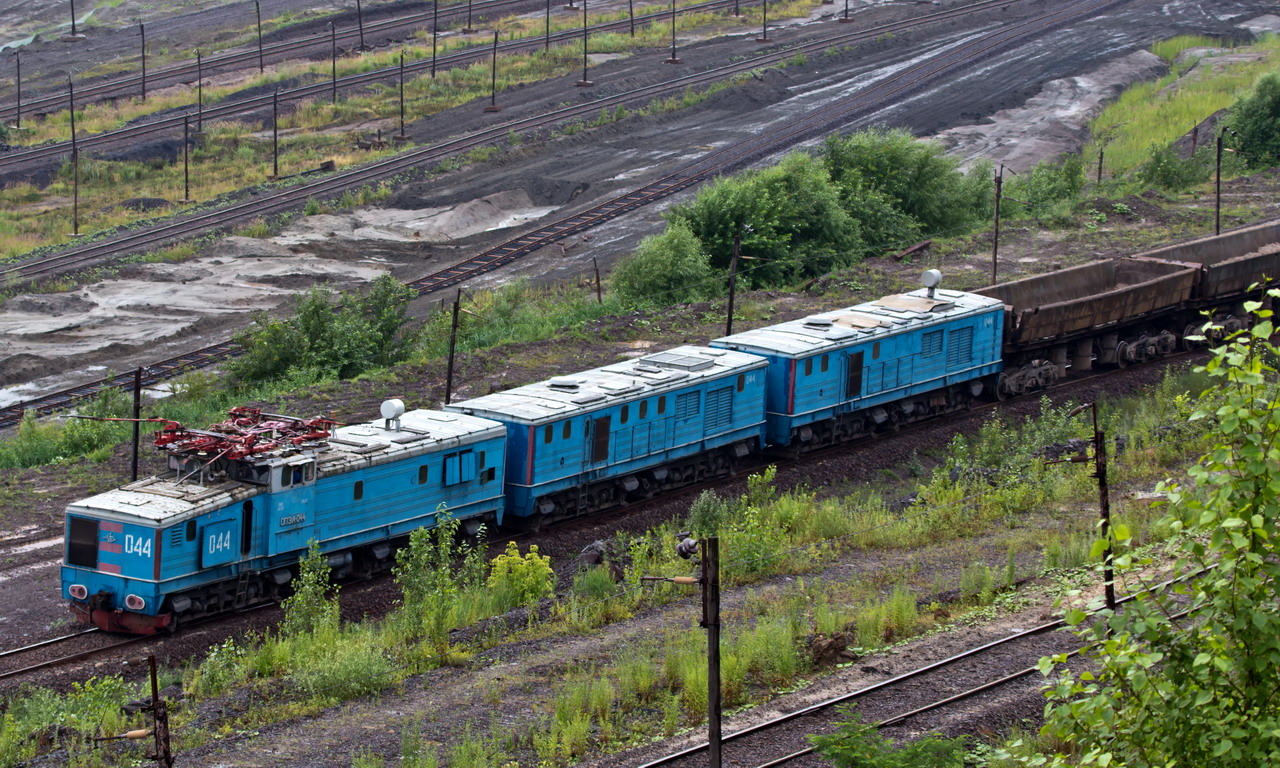


Characteristics and components
Typical electro-diesel designs include traction motors, power electronics, a pantograph or pickup shoes, a diesel prime mover, fuel tanks, and control systems that manage power source transitions. The electrical path may be directly fed to traction motors or route electricity through generators and converters. Cooling systems, exhaust treatment and fuel storage are required when the diesel unit is in use; when operating electrically these systems are largely inactive.
History and development
The electro-diesel concept emerged as rail networks expanded and partial electrification became common. Rather than build continuous electrification or change locomotives at boundaries, railways adopted dual-mode units to improve operational flexibility. Development progressed through the 20th century as diesel technology, power electronics and electrical infrastructure matured, enabling more reliable and efficient switching between modes.
Uses and operational examples
Rail operators use electro-diesel locomotives on mixed routes, last-mile deliveries, maintenance trains and in yards where electrification may be absent. They are practical for routes that include overhead catenary or a third rail in some sections and unelectrified branches elsewhere. Advantages include reduced dwell time for locomotive changes, simplified scheduling and the ability to serve terminals without overhead wiring.
Advantages, limitations and notable facts
- Advantages: operational flexibility, fewer locomotive changes, and potential energy savings when running on electricity.
- Limitations: added weight and complexity, higher acquisition and maintenance costs, and compromises in power or efficiency compared with single-mode designs.
- Notable: variants exist that prioritize electric operation with a smaller diesel for last-mile moves, while others provide full diesel performance for heavy freight on non-electrified stretches.
Further considerations
Choosing an electro-diesel solution depends on route characteristics, infrastructure plans and lifecycle costs. As electrification expands and battery technology advances, some operators may prefer pure electric, battery-assisted or hybrid alternatives. Nonetheless, electro-diesels remain a practical transitional and niche option where mixed-power capability is valuable.
Related topics: third-rail systems, electric traction equipment and diesel propulsion technology provide context for how electro-diesel locomotives integrate multiple power sources.
Related articles
Author
AlegsaOnline.com Electro-diesel locomotive Leandro Alegsa
URL: https://en.alegsaonline.com/art/30710