
Cook County, Illinois: overview, history, government, and key features
Cook County, home to Chicago, is Illinois's most populous county. This article summarizes its population, government, history, economy, transport, parks, cultural institutions and notable policy episodes.
Cook County is a central county in the U.S. Midwest, located in the state of Illinois and bordering Lake Michigan. The city of Chicago serves as the county seat and is the region's economic and cultural anchor. With about 5.2 million residents, the county contains roughly two-fifths of the state's population and is one of the most populous counties in the United States; only Los Angeles County has a larger population. For current demographic summaries consult official data sources linked here.
Image gallery
10 Images
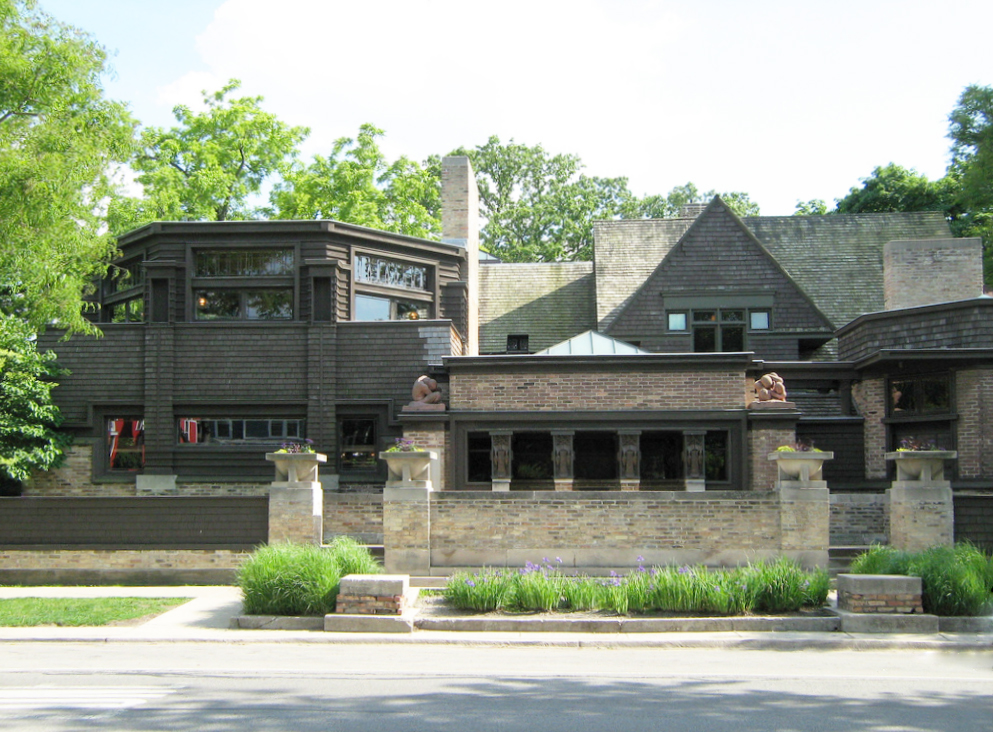


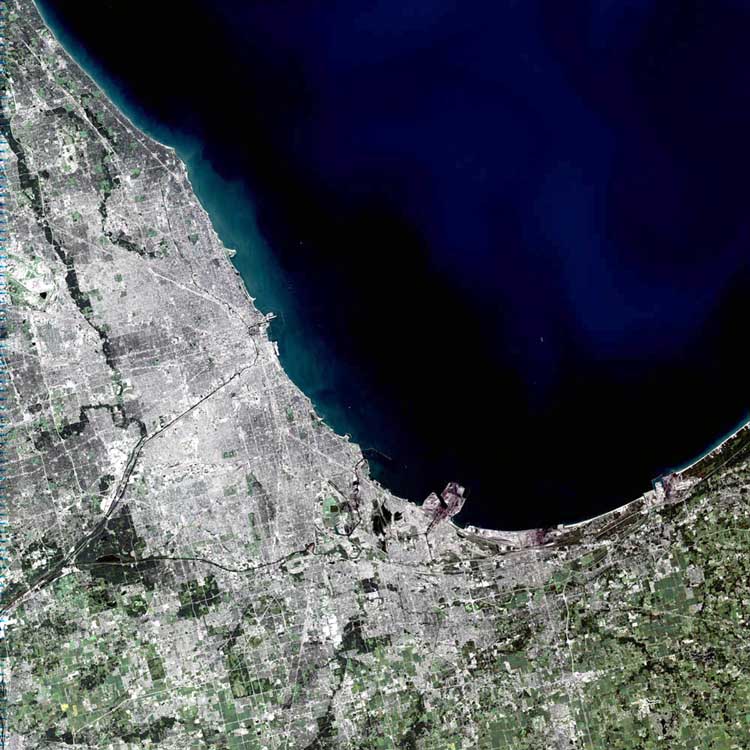


Size, population and communities
Cook County combines a dense urban core surrounded by an extensive ring of suburbs and smaller municipalities. Its population is larger than that of many U.S. states, and the county includes neighborhoods and townships with widely varied income levels, housing types and cultural composition. Detailed demographic and ranking reports are available from state and regional agencies and research centers, including data referenced at regional resources.
Geography, parks and conservation
The county's eastern edge meets Lake Michigan; inland areas include waterways and restored natural areas. Cook County administers an extensive forest preserve system and numerous parks that protect habitat, provide recreation and connect communities. These public lands are a notable feature of county planning and environmental work.
Government and public services
Cook County government is organized around an elected board of commissioners and an elected county executive (often titled the county board president), plus independently elected officials such as the sheriff and state's attorney. The county maintains courts, public health services, a sheriff's office, a county clerk and other administrative agencies that deliver services to millions of residents.
Economy, institutions and culture
The county's economy is diverse: finance, manufacturing, healthcare, higher education and tourism are major sectors. Cook County is home to major museums, theaters, universities and professional sports teams. Prominent institutions include leading hospitals and universities located in both Chicago and suburban communities.
Transportation and infrastructure
Major transportation assets include O'Hare and Midway airports, regional rail networks, commuter lines and interstate expressways that link the city and suburbs. These facilities support domestic and international travel and are integral to regional commerce.
History and notable issues
Established in the early 19th century and named for the Illinois statesman Daniel Cook, the county grew with Chicago's development as a lakeport and rail hub. In recent decades, policy debates over taxation, public services and governance have drawn attention. One widely discussed episode involved a sweetened beverage tax enacted by county authorities in 2017 that proved controversial and was later repealed after public and legal challenges.
- County seat: Chicago
- Comparative rank: second-most populous U.S. county behind Los Angeles County
- Reference links: general county overview Cook County, state context Illinois, data portals population sources
Related articles
Author
AlegsaOnline.com Cook County, Illinois: overview, history, government, and key features Leandro Alegsa
URL: https://en.alegsaonline.com/art/22864
Sources
- isgs.illinois.edu : "Lowest and Highest Points in Cook County"
- newsblogs.chicagotribune.com : newsblogs.chicagotribune.com/clout_st/2008/07/cook-county-boa.html
- quickfacts.census.gov : "Cook County QuickFacts"
- census.gov : "County Population Estimates"