
South Pacific (musical)
A landmark Rodgers and Hammerstein musical based on James A. Michener’s Tales of the South Pacific, celebrated for its score, social themes and long-running Broadway success.
Overview
South Pacific is a mid-20th-century American musical with music by Richard Rodgers and lyrics by Oscar Hammerstein II, adapted from episodes in James A. Michener's Tales of the South Pacific. First staged on Broadway in 1949, it became one of the most successful and frequently revived shows of its era. The piece combines romantic plots, memorable melodies and an unusually direct engagement with social issues for a commercial musical of its time.
Image gallery
10 Images


Creative team and structure
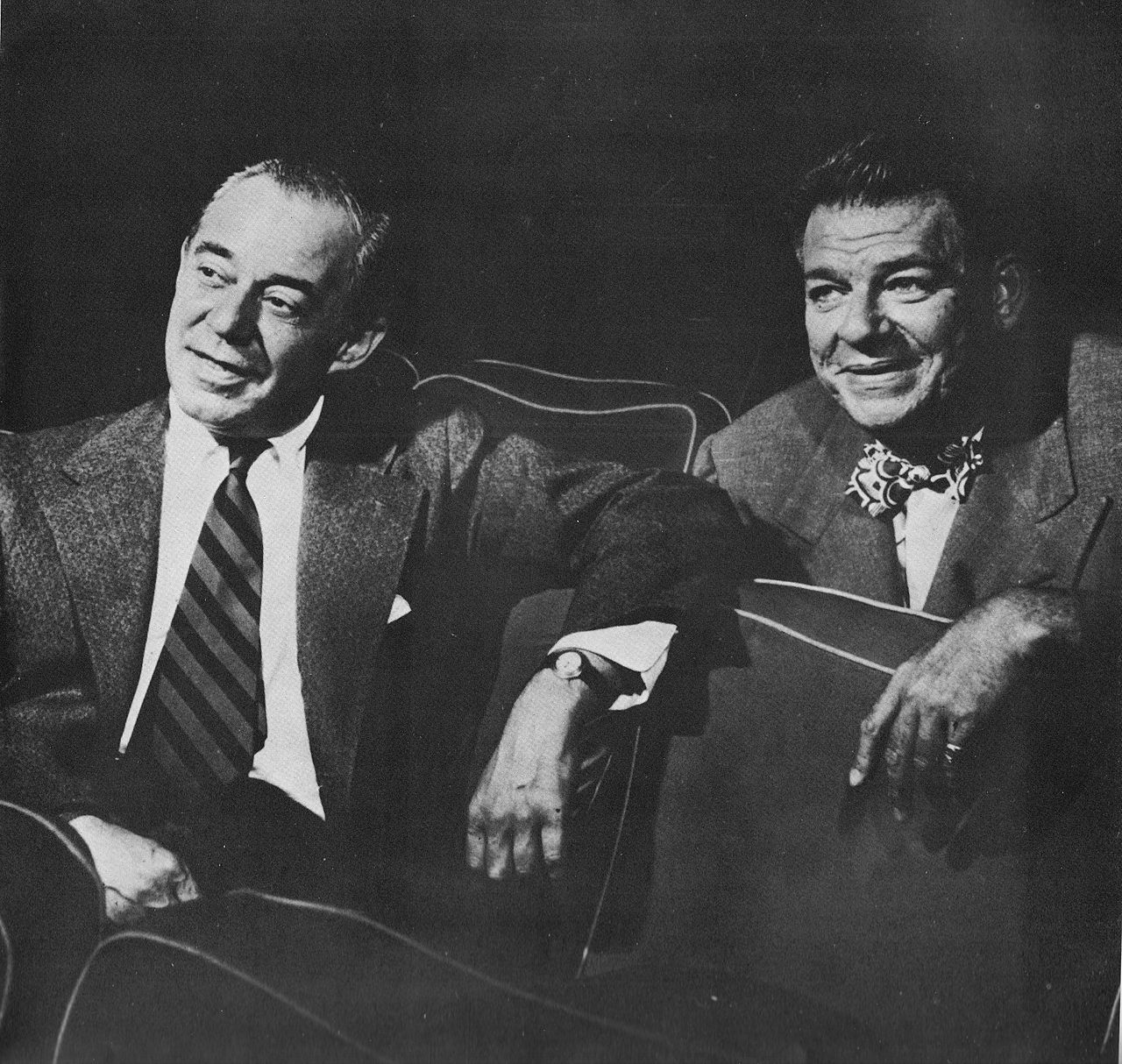
The musical's dramatic book was developed by Hammerstein working with Joshua Logan, who also directed the original production. The show interweaves several stories set among American military personnel and islanders in the Pacific during World War II. Rodgers supplied a varied score that ranges from tender ballads to buoyant ensemble numbers; Hammerstein's lyrics advance character and theme rather than relying solely on spectacle.
Notable songs
- "Some Enchanted Evening" — a central romantic ballad
- "Bali Ha'i" — an evocative island-theme song tied to setting and longing
- "Younger Than Springtime" — a lyrical love duet
- "I'm Gonna Wash That Man Right Outa My Hair" — a lighter, more playful number
- "You've Got to Be Carefully Taught" — a forthright song addressing racial prejudice
Original production and key performers
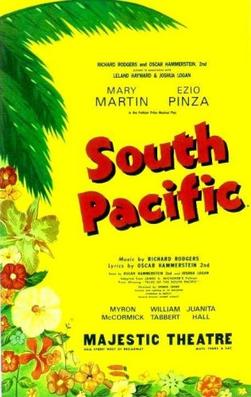
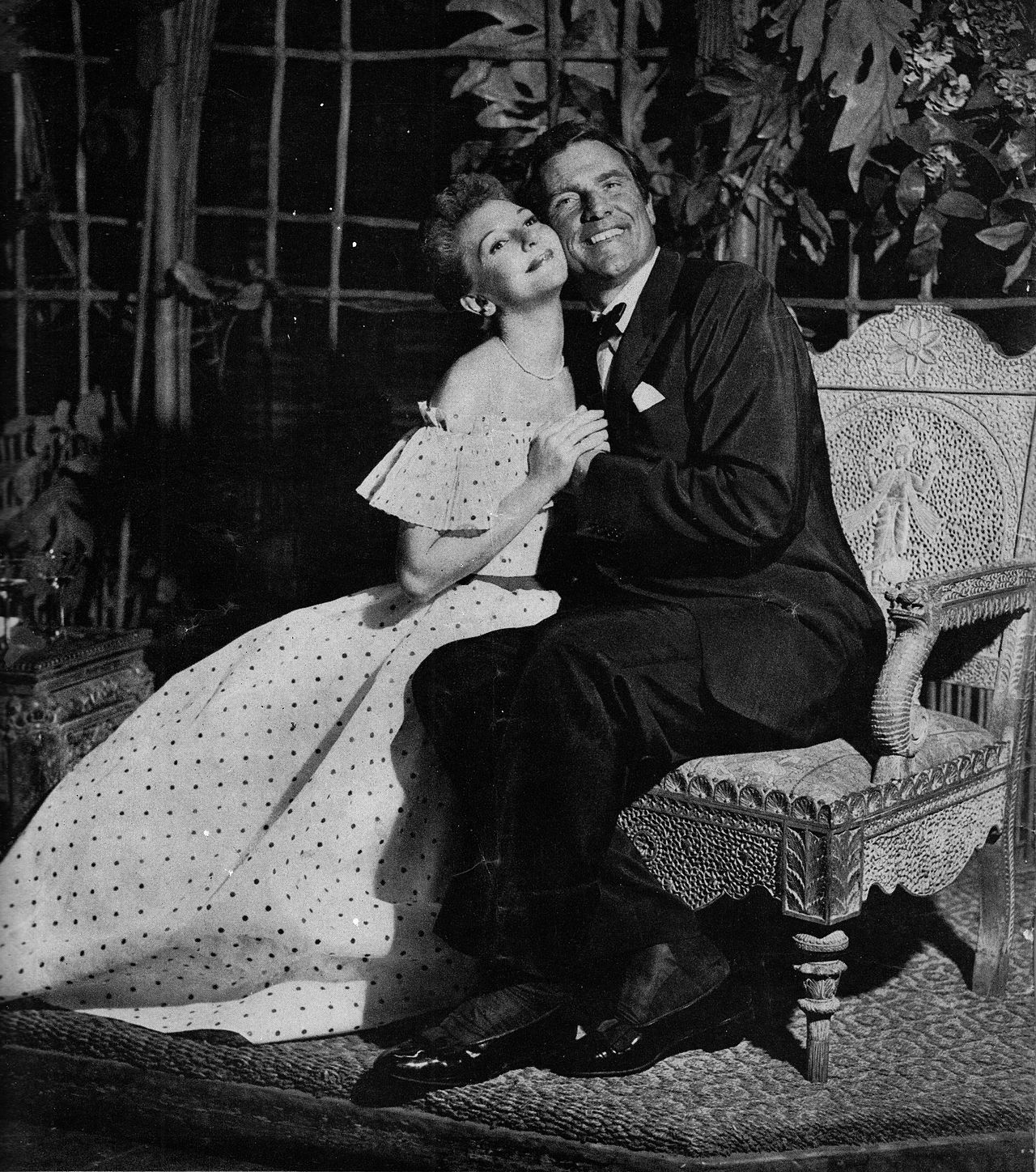
The original Broadway production opened at the Majestic Theatre on 7 April 1949 and ran for 1,925 performances, closing in January 1954. Its leads included Mary Martin and Ezio Pinza in principal roles, and Joshua Logan is credited as co-author of the book and director. The show also premiered in London on the West End at the Theatre Royal, Drury Lane in 1951.
Awards, reception and themes
Critically and popularly acclaimed, South Pacific received major theatrical honors including the Pulitzer Prize for Drama and the Tony Award for Best Musical. Reviewers and scholars have highlighted the show's willingness to confront racial prejudice and the costs of wartime separation, notably through its songs and character relationships. Its blend of romantic storytelling and social commentary helped expand expectations for what a commercial musical could address.
Adaptations and legacy
The musical has been adapted and revived many times. A high-profile studio film version was released in 1958, featuring Mitzi Gaynor and Rossano Brazzi, and the property has been mounted in numerous national and international revivals and concert presentations. The score continues to be performed independently of the stage show, and several of its songs have entered the standard popular-music repertoire. The work remains studied for its craft, its historical place in American musical theatre and its engagement with difficult social topics.
For further reading on the book source and historical context, see adaptations of Michener's short stories, biographies of Hammerstein and Rodgers, and archival material relating to the original Broadway production and later West End stagings. Film history sources discuss the 1958 cinematic version and its cast in more detail; see a summary of the 1958 film adaptation for screen-specific information.
South Pacific's combination of lyrical writing, melodic invention and topical subject matter helped shape mid-century musical theatre and continues to influence productions and scholarship today.
Related articles
Author
AlegsaOnline.com South Pacific (musical) Leandro Alegsa
URL: https://en.alegsaonline.com/art/92195
Sources
- ibdb.com : IBdb: South Pacific
- broadwaymusicalhome.com : Broadway Musical Home: South Pacific
- guidetomusicaltheatre.com : Guide to Musical Theatre: South Pacific