
Stage (theatre): functions, layouts, and technical elements
The stage is the performance area in a theatre. This article explains common stage layouts, parts, historical development, technical systems, and the stage's role in shaping performance and audience experience.
The stage is the defined area where dramatic action, dance, music and other live performances take place. It is a central element of theatre architecture and practice, arranged to support sightlines, acoustics, scenery and performer movement. In many venues the stage is separated from the seating to create a clear performer–viewer relationship, but modern designs vary widely to suit different artistic aims.
Image gallery
10 Images


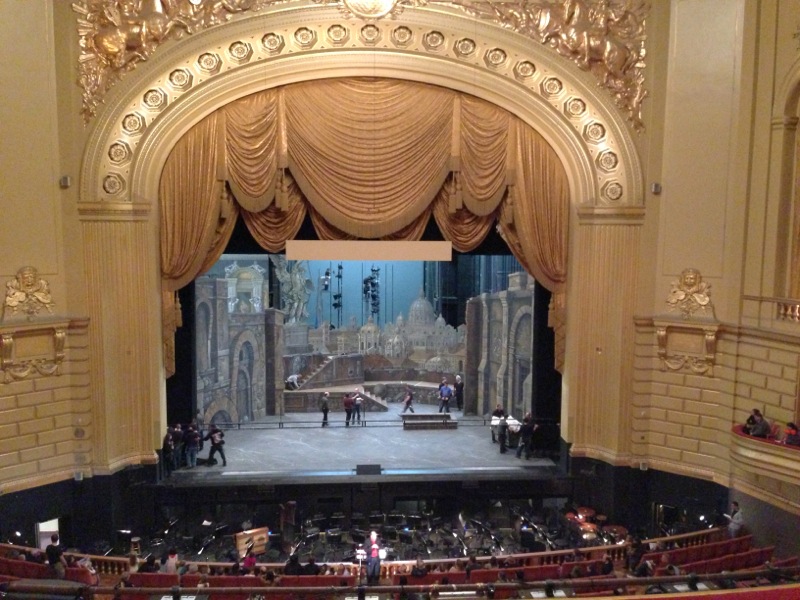


Parts and common features
A stage is composed of several distinct zones and systems that together enable performance. Typical parts include the playing space, the apron (front edge), wings (side offstage areas), backstage and dressing rooms. Above the acting area there may be a fly tower or grid for suspending scenery and lighting, and below or in front there can be an orchestra pit. Technical elements such as stage floor traps, masking curtains and access ramps are also important.
Types of stage
- Proscenium: a framed arch separates audience and performers; common in traditional theatres.
- Thrust: extends into the audience on three sides, fostering intimacy.
- Arena (theatre-in-the-round): audience surrounds the stage; sightlines require simplified staging.
- Traverse: audience sits on two opposite sides, like a catwalk.
- Black box: flexible, simple room allowing many configurations for experimental work.
History and development
Stages evolved from ancient outdoor performance places to purpose-built indoor auditoria. Classical Greek and Roman theatres established the idea of a dedicated performance area; medieval and Renaissance stages developed movable scenery and proscenium framing. Industrial and modern technologies — electric lighting, mechanized rigging, modular sets — transformed what directors and designers can achieve.
Technical role and uses
Beyond defining where actors work, the stage integrates lighting, sound, scenery and stage machinery to create mood, focus and narrative clarity. Lighting instruments and sound systems are positioned to shape visibility and audibility; the stage floor and rigging provide support for scenery changes, special effects and choreography. Designers choose a stage type and technical setup to match the production’s aesthetic and practical needs.
Performance and audience relationship
The arrangement of stage and seating influences how performers interact with spectators. Proscenium stages often sustain a representational separation, while thrust and arena setups encourage engagement and immediacy. Directors and performers adapt movement, projection and staging to accommodate the chosen configuration and the expectations of the audience and performers.
Understanding stage types and their technical possibilities helps producers, directors and designers plan effective productions and ensures that theatrical activity communicates clearly to viewers in any setting.
Related articles
Author
AlegsaOnline.com Stage (theatre): functions, layouts, and technical elements Leandro Alegsa
URL: https://en.alegsaonline.com/art/93254