
James A. Michener — American novelist of historical sagas
Biographical and literary overview of James A. Michener, his major works, methods, career, adaptations and legacy as a writer of multi‑generational historical novels.
James A. Michener (1907–1997) was an American writer and novelist best known for long, research‑based narratives that follow communities across generations. He published dozens of books during a career that combined fiction and non‑fiction, and he built a reputation for panoramic, episodic storytelling often described as sagas. Michener's fiction commonly traces the lives of many generations in a particular place and blends documented history with invented characters to illuminate broader social and cultural change.
Image gallery
8 Images




Life and early career
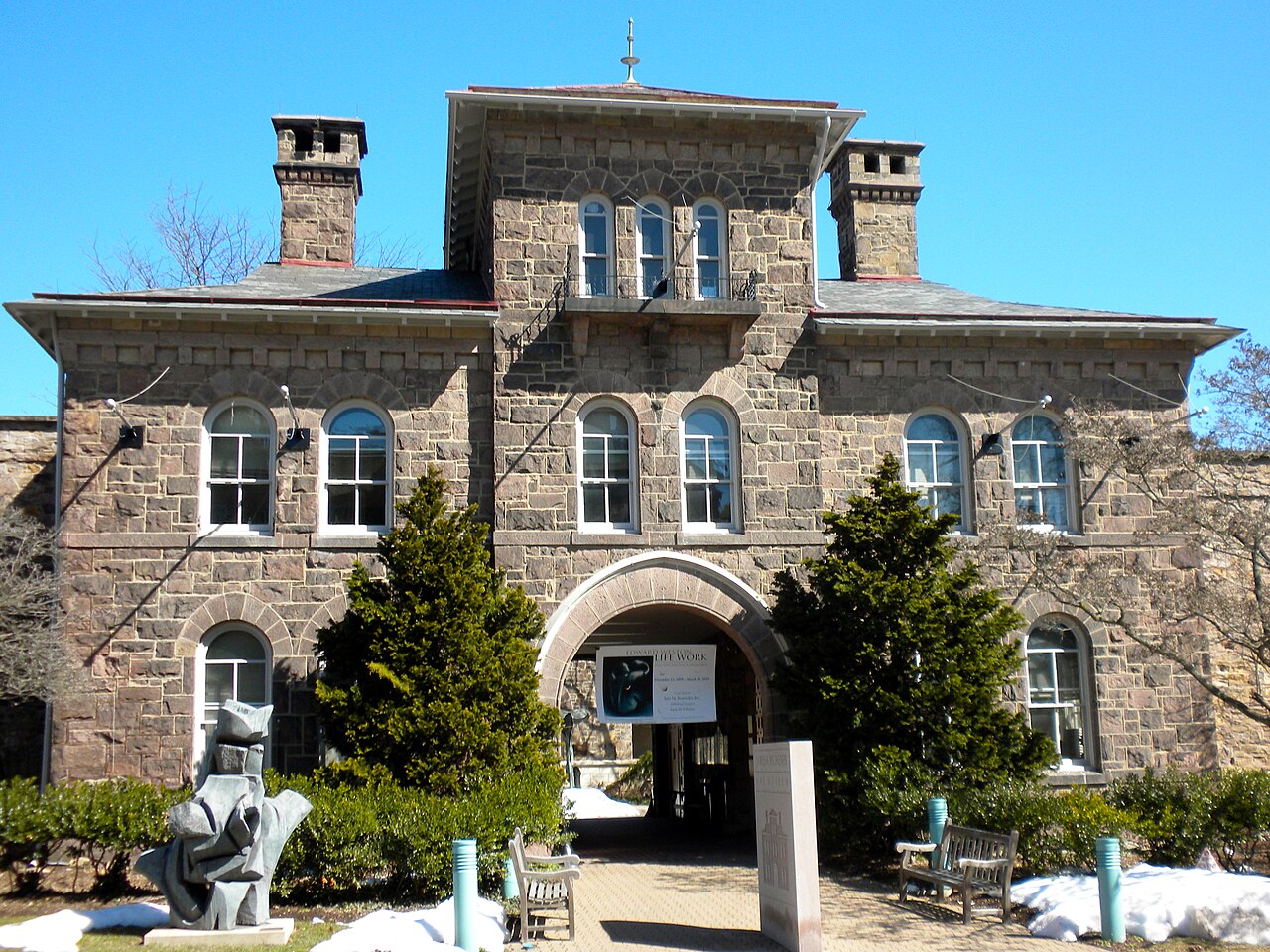
Michener repeatedly stated that he was uncertain about the precise circumstances of his birth and parentage; he was raised by a woman named Mabel Michener, who is sometimes identified as his adoptive mother. He grew up in Doylestown, Doylestown and spent much of his youth in Pennsylvania. After attending Swarthmore College, from which he graduated in 1929, he played college basketball and later pursued teacher training at the Colorado State Teachers College (now the University of Northern Colorado). He also held teaching roles, including a period at Harvard University.
Wartime service and literary breakthrough
Michener's professional writing took shape during World War II. Working as a naval naval historian in the Pacific theater, he collected observations and anecdotes while assigned to the South Pacific. Those experiences became the basis for his first major book, Tales of the South Pacific, which combined reportage and fiction and later inspired the popular stage musical South Pacific. That early success launched a long career: his formal writing career extended across decades and genres.
Major works and themes
Michener's books are notable for their scope, meticulous background research and focus on place. Major titles include:
- Tales of the South Pacific — wartime stories that introduced his method of combining local detail with sweeping narratives.
- Sayonara — a novel informed by his time in Japan, which explores cross‑cultural relationships and was partly autobiographical (see also Sayonara).
- Hawaii, Texas, Poland, Centennial — examples of long, regionally focused novels that examine settlement, conflict and change over centuries.
- Selected non‑fiction works such as his memoir The World Is My Home and essays on American culture and sports.
Across these works Michener often began with prehistory or early settlement, then moved through waves of immigration, economic development and political transformation. His style blends documentary material with invented family histories, producing narratives that read like compressed local encyclopedias.
Adaptations, honors and later years
Several of Michener's books were adapted for stage, film and television. The transformation of Tales of the South Pacific into a musical brought his work to a wider audience, and larger novels such as Centennial reached viewers through television dramatizations. He received public honors, including the Presidential Medal of Freedom, awarded in 1977. In his later life he lived in Austin, Texas, where he continued to write and to support educational and cultural causes. Michener died in 1997 from kidney failure, leaving a legacy as a popular historian‑novelist whose books introduced many readers to regional histories.
Approach, criticism and legacy
Michener's research‑heavy method won praise for its breadth and accessibility but also attracted criticism for episodic structure and occasional schematic treatment of complex societies. Nevertheless, his ability to synthesize archival material, oral history and imaginative narrative influenced generations of readers and writers. He also wrote essays and memoirs reflecting on travel, sport and civic life; his engagement with both fiction and non‑fiction made him a distinctive figure in 20th‑century American letters. For more detailed bibliographies, adaptations and archival materials see reference collections and specialized sites linked below.
Further reading and resources: World War II context, Pacific assignments, naval records, historian notes, musical adaptation, biographical sketches, works list, literary analysis, family themes, adoption debate, Doylestown history, Pennsylvania archives, Swarthmore records, athletic background, teacher training, academic posts, career timeline, Japan connection, autobiographical elements, and honors.
Questions and answers
Q: Who was James Albert Michener?
A: James Albert Michener was an American writer. He wrote 40 books, most of which were large sagas about the lives of many generations in a particular place.
Q: Where did he grow up?
A: He was raised by an adoptive mother, Mabel Michener, in Doylestown, Pennsylvania. Some have argued that Mabel was his birth mother.
Q: What did he study at college?
A: He graduated from Swarthmore College and later studied at the Colorado State Teachers College.
Q: What did he teach?
A: He taught at both Colorado State Teachers College and Harvard University.
Q: How did his writing career begin?
A: His writing career began during World War II when he was assigned to the South Pacific Ocean as a naval historian. He used his time there as the basis for Tales of the South Pacific, his first book.
Q: Who did he meet while in Japan?
A: While in Japan, Michener met his wife Mari. His novel Sayonara is autobiographical and based on their relationship.
Q: When and where did he die? A: In his final years, he lived in Austin, Texas where he died of kidney failure on October 16th 1997 at the age of 90.
Author
AlegsaOnline.com James A. Michener — American novelist of historical sagas Leandro Alegsa
URL: https://en.alegsaonline.com/art/140246