
Soufflé: a Light, Fluffy Baked Dish (Sweet and Savory)
A soufflé is an airy baked dish originating in French cuisine. Made by folding beaten egg whites into a flavored base, it rises in the oven and is served sweet or savory, best eaten immediately after baking.
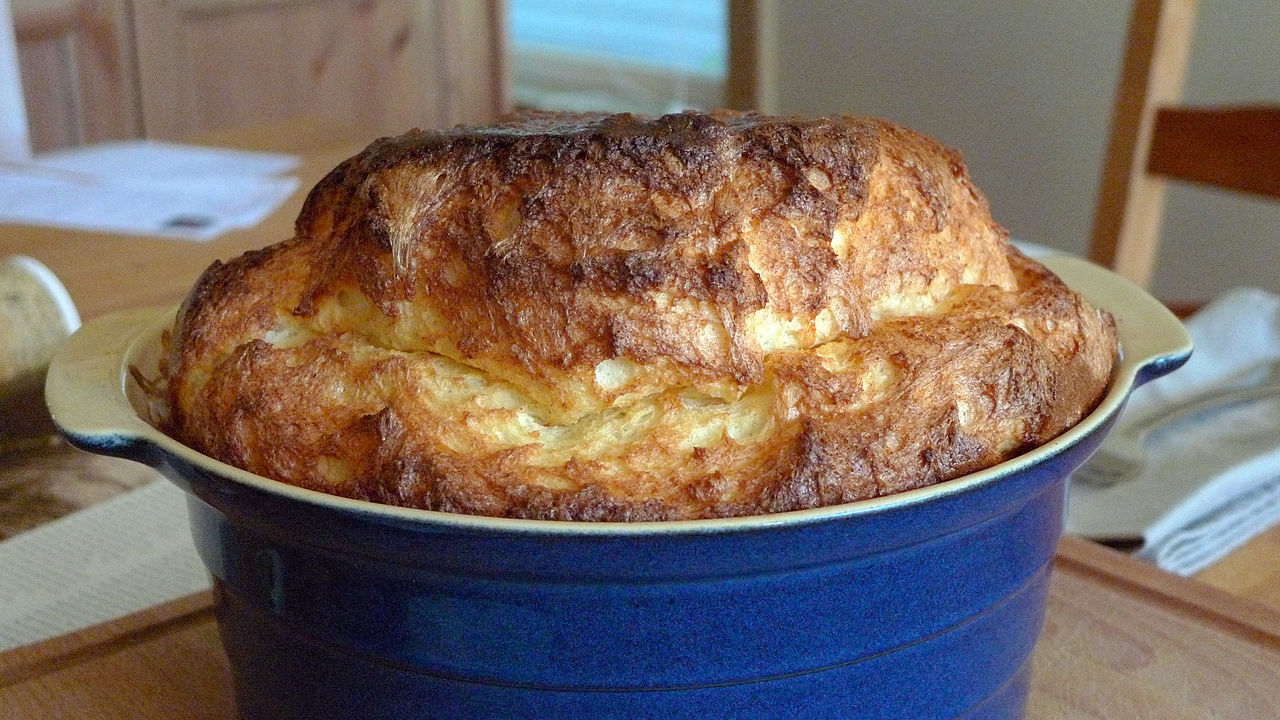
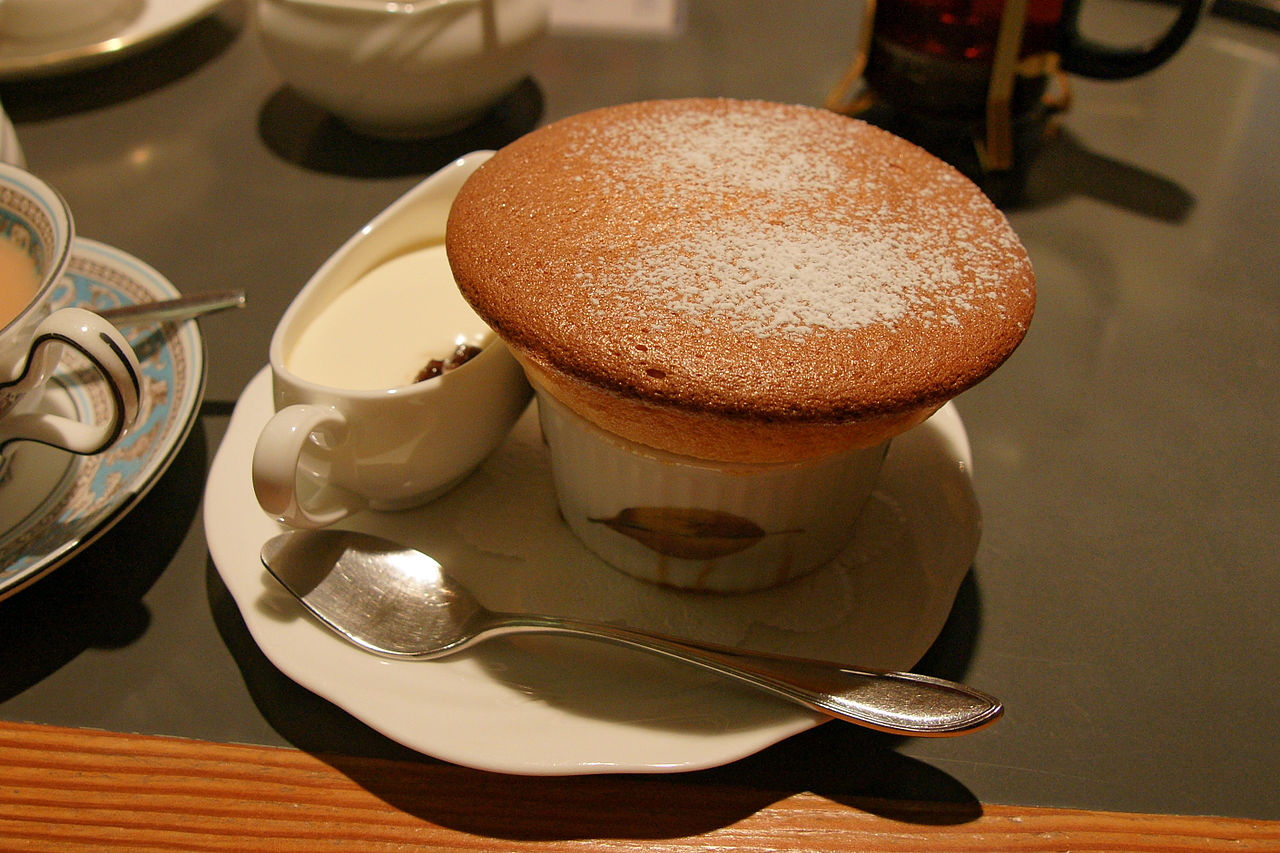
A soufflé is an airy, lightly baked dish that can be served as a dessert or as a savory course in a meal. It is prized for its tall, puffed appearance created by trapped air and steam in a delicate egg structure. Although often associated with sweet chocolate or fruit versions, many traditional recipes are based on cheese, vegetables, or herbs.
Image gallery
9 Images



Characteristics and components
At its core a soufflé combines a flavorful base—such as a custard, béchamel-style sauce, puréed vegetable, or chocolate mixture—with beaten egg whites folded in to provide lift. The dish is a classic element of baking and light-cake techniques. The finished product typically rises above the rim of its baking dish and has a crisp exterior with a moist, tender interior.
How it works
The rise of a soufflé depends on incorporating air into egg whites and retaining it through baking. Whipped egg whites form a foam that traps air; during baking the air and water vapor expand and heat causes the proteins in both whites and yolks to coagulate, setting the structure. Because the lift is mostly mechanical and temperature-dependent, soufflés begin to deflate as they cool and are usually served immediately.
History and name
The word soufflé comes from the French verb meaning "to blow" or "to puff," a reference to the dish's swollen appearance. It emerged in French cuisine and was refined as both a household and restaurant specialty; over time cooks developed sweet and savory variations that showcased regional ingredients and culinary trends.
Common varieties and serving
- Sweet: chocolate, fruit, vanilla, or liqueur-flavored soufflés.
- Savory: cheese (often Gruyère or cheddar), spinach, mushroom, or seafood versions.
- Presentation: usually baked in individual dishes such as a ramekin or a large soufflé dish; see a typical ramekin for single servings.
Technique and troubleshooting
Successful soufflés require careful technique. Egg whites are whipped to the proper stage—typically soft-to-medium peaks—so they are aerated without drying; this is sometimes called soft peaks. The base should be warm and folded gently into the meringue to preserve air. Common problems include under- or over-whipping the whites, folding too vigorously, opening the oven door during baking, or letting the mixture sit too long before baking. A short list of practical tips follows:
- Butter and sugar the baking vessel to aid rise and prevent sticking.
- Preheat the oven and bake promptly after assembly.
- Use an oven set to the recipe's recommended temperature and avoid peeking.
- Serve immediately; the soufflé will begin to collapse as it cools.
Because of its dramatic presentation and delicate texture, the soufflé remains a benchmark of classical technique in many kitchens and a versatile canvas for flavors from sweet to savory.
Related articles
Author
AlegsaOnline.com Soufflé: a Light, Fluffy Baked Dish (Sweet and Savory) Leandro Alegsa
URL: https://en.alegsaonline.com/art/92014