
Sorrel (Rumex acetosa): culinary herb and garden perennial
Sorrel is a perennial leafy herb (Rumex acetosa) known for its tart, lemony flavor. Used in salads, soups and sauces, it grows easily in temperate gardens and appears in many regional cuisines.
Overview
Sorrel is the common name for Rumex acetosa, a hardy perennial herb grown for its tangy, lemon-like leaves. Often called common sorrel, garden sorrel, or narrow-leaved dock, it is prized in cooking and valued in gardens for early-season greens. For botanical details see Rumex acetosa and for gardening notes see garden herb.
Image gallery
8 Images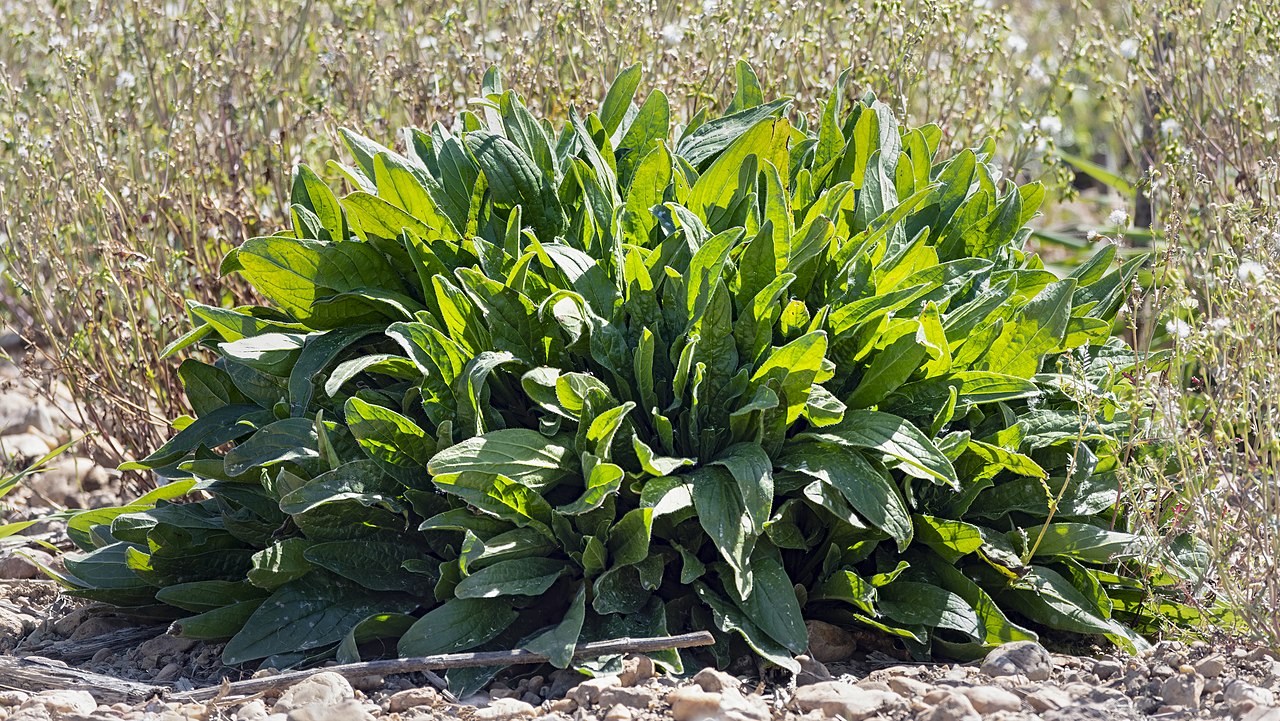


Appearance and growing habits
Sorrel forms a low rosette of arrowhead-shaped leaves and sends up tall stems with clusters of reddish-green flowers that develop into small seeds. It prefers temperate climates, tolerates a range of soils but thrives in moist, well-drained ground, and grows in sun or partial shade. Propagation is commonly by seed or by dividing older clumps in spring or autumn.
Culinary uses
The leaves have a sharp, acidic taste caused by oxalic acid and are used both raw and cooked. Young leaves are added to salads, used to flavor vinaigrettes, or combined with eggs, fish and cream in sauces and soups; classic dishes include sorrel soup and sorrel sauce for fish. Cooking mellows the acidity and develops a subtler flavor, while dried or blanched sorrel can be preserved for later use.
Nutrition, medicinal notes and cautions
Sorrel provides vitamin C and other micronutrients typical of leafy greens. Historically it was used as a souring agent and for folk remedies; modern use is mainly culinary. Because sorrel contains oxalic acid, people prone to kidney stones or with certain metabolic conditions are often advised to consume it in moderation and to cook it to reduce acidity.
History, names and cultural importance
Sorrel has been cultivated in Europe for centuries and appears in traditional recipes and kitchen gardens across the continent. The French name 'oseille' and various regional names reflect its long culinary role. Note that the common name "sorrel" is also applied to different plants in other regions—such as wood sorrel (Oxalis species) or the Caribbean beverage plant (Hibiscus sabdariffa)—so context matters when purchasing or using sorrel in recipes.
Practical tips and distinctions
- Harvest young leaves for the best texture and flavor; older leaves can be bitter.
- Divide crowded clumps every few years to maintain vigor and prevent flowering that reduces leaf quality.
- Distinguish Rumex acetosa from related docks and smaller species like Rumex acetosella (sheep sorrel) by leaf shape and plant size.
With its distinctive tartness and easy cultivation, sorrel remains a small but versatile herb in both home gardens and regional cuisines.
Related articles
Author
AlegsaOnline.com Sorrel (Rumex acetosa): culinary herb and garden perennial Leandro Alegsa
URL: https://en.alegsaonline.com/art/91980