
Napa County, California
Napa County in Northern California encompasses the Napa Valley wine region. The county seat is the City of Napa. Known for viticulture, tourism, Mediterranean climate, and scenic small towns.
Napa County is a county located in the U.S. state of California, positioned north of San Francisco in the North Bay area. The region combines lowland river valleys and surrounding foothills, and its county seat is the City of Napa. According to the 2010 census, the county had a population of 136,484, though seasonal visitors and tourists substantially increase numbers at peak times.
Image gallery
10 Images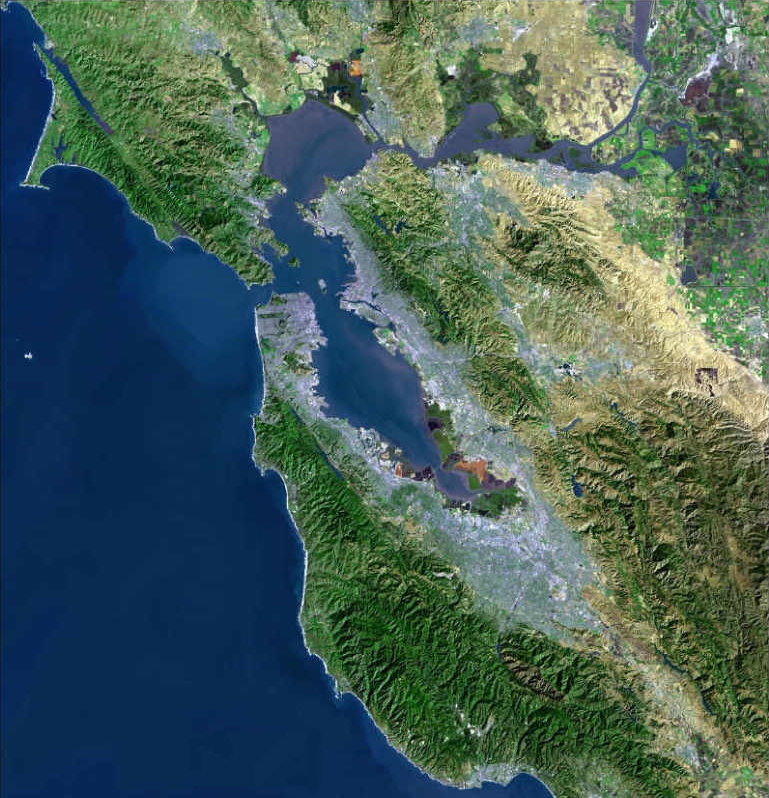




Geography and climate
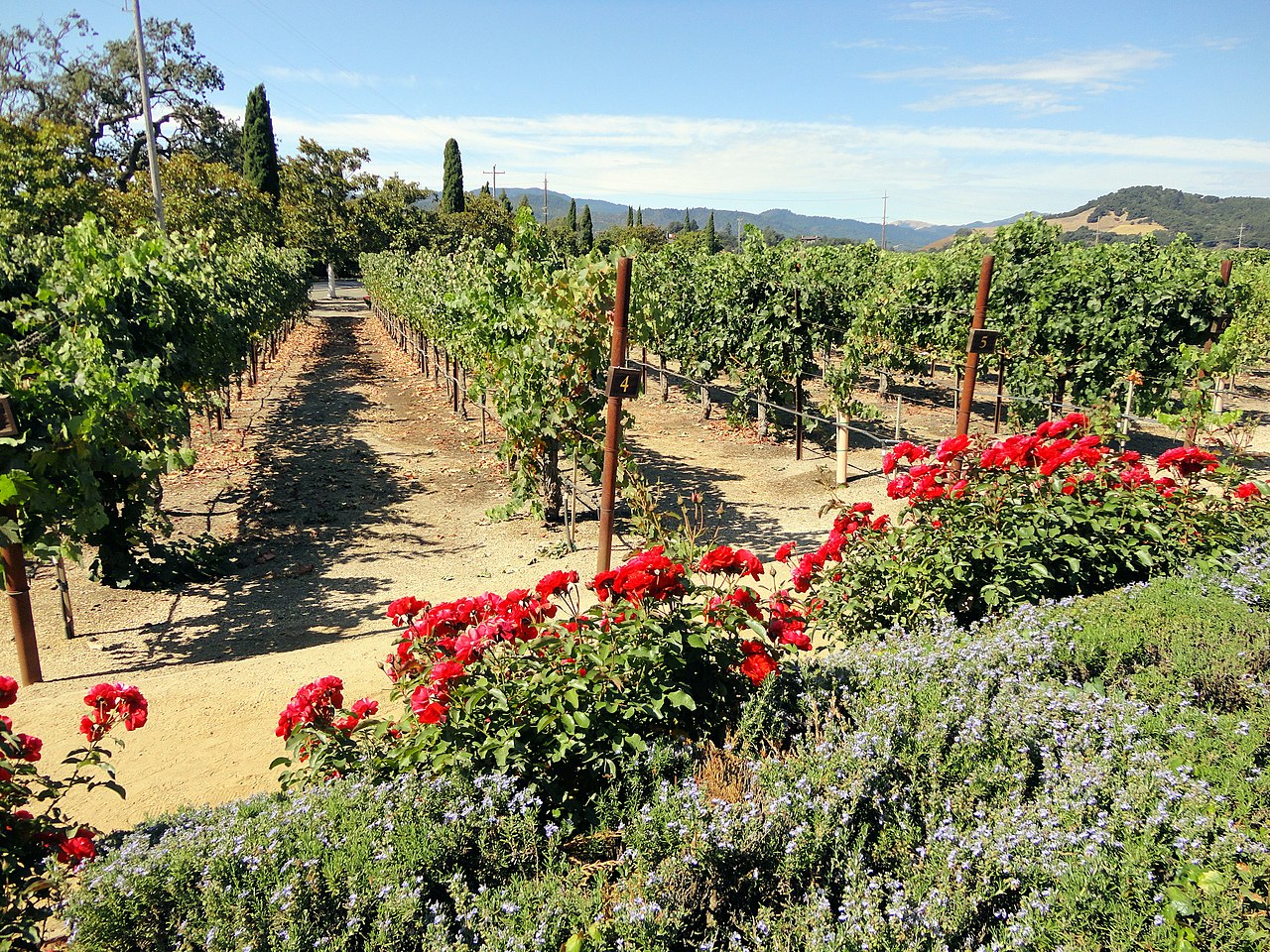
The county is dominated by the Napa Valley, a narrow corridor carved by the Napa River that opens into San Pablo Bay. Vineyards blanket much of the valley floor and lower slopes, while higher elevations include portions of the Mayacamas and Vaca mountain ranges. The climate is Mediterranean: warm, dry summers and cool, wetter winters—conditions favorable for many wine grape varieties.
History and development
Napa County was one of California's original counties created in 1850 and developed through agriculture and early settlement. Commercial viticulture took hold in the 19th century and expanded through the 20th century. A series of events—both challenges such as vine diseases and successes like international recognition for local wines—shaped its modern identity. The area has also experienced notable natural events, including a significant earthquake in 2014 centered near the city of Napa.
Economy, culture, and tourism
Wine production is the primary economic and cultural driver: hundreds of wineries produce internationally distributed wines and draw visitors for tastings, tours, and culinary experiences. Tourism supports hotels, restaurants, culinary schools, and small businesses; agritourism and outdoor recreation—hiking, cycling, and river activities—also contribute. Conservation and land-use planning aim to balance vineyard expansion, scenic preservation, and residential needs.
Towns and notable places
In addition to the county seat, other well-known communities include:
- Napa (city center and riverfront)
- St. Helena
- Yountville
- Calistoga
- American Canyon
The valley contains appellations recognized for distinct microclimates and soils. Visitors often combine wine tasting with dining at acclaimed restaurants or exploring regional history and art.
For regional context, Napa County is considered part of the San Francisco Bay Area, sharing economic and transportation links with neighboring counties while maintaining a strong agricultural and tourism identity distinct from the urban cores to the south.
Related articles
Author
AlegsaOnline.com Napa County, California Leandro Alegsa
URL: https://en.alegsaonline.com/art/68321
Sources
- quickfacts.census.gov : "State & County QuickFacts"
- naco.org : "Find a County"