
Solar thermal energy: concentrating sunlight to produce heat and power
Solar thermal energy collects and concentrates sunlight to generate heat for domestic and industrial use or to produce electricity in concentrated solar power plants with optional thermal storage.
Solar thermal energy captures sunlight and converts it into usable heat rather than directly into electricity. Systems range from simple rooftop collectors that provide domestic hot water and space heating to large concentrated solar power (CSP) plants that focus sunlight with mirrors or lenses to reach high temperatures and produce electricity. In utility-scale installations the collected heat is commonly used to generate steam that drives turbines, or to power heat engines such as Stirling machines in smaller concentrated systems. For technical overviews see resources on electricity applications and the Sun as the primary energy source.
Image gallery
10 Images




How it works
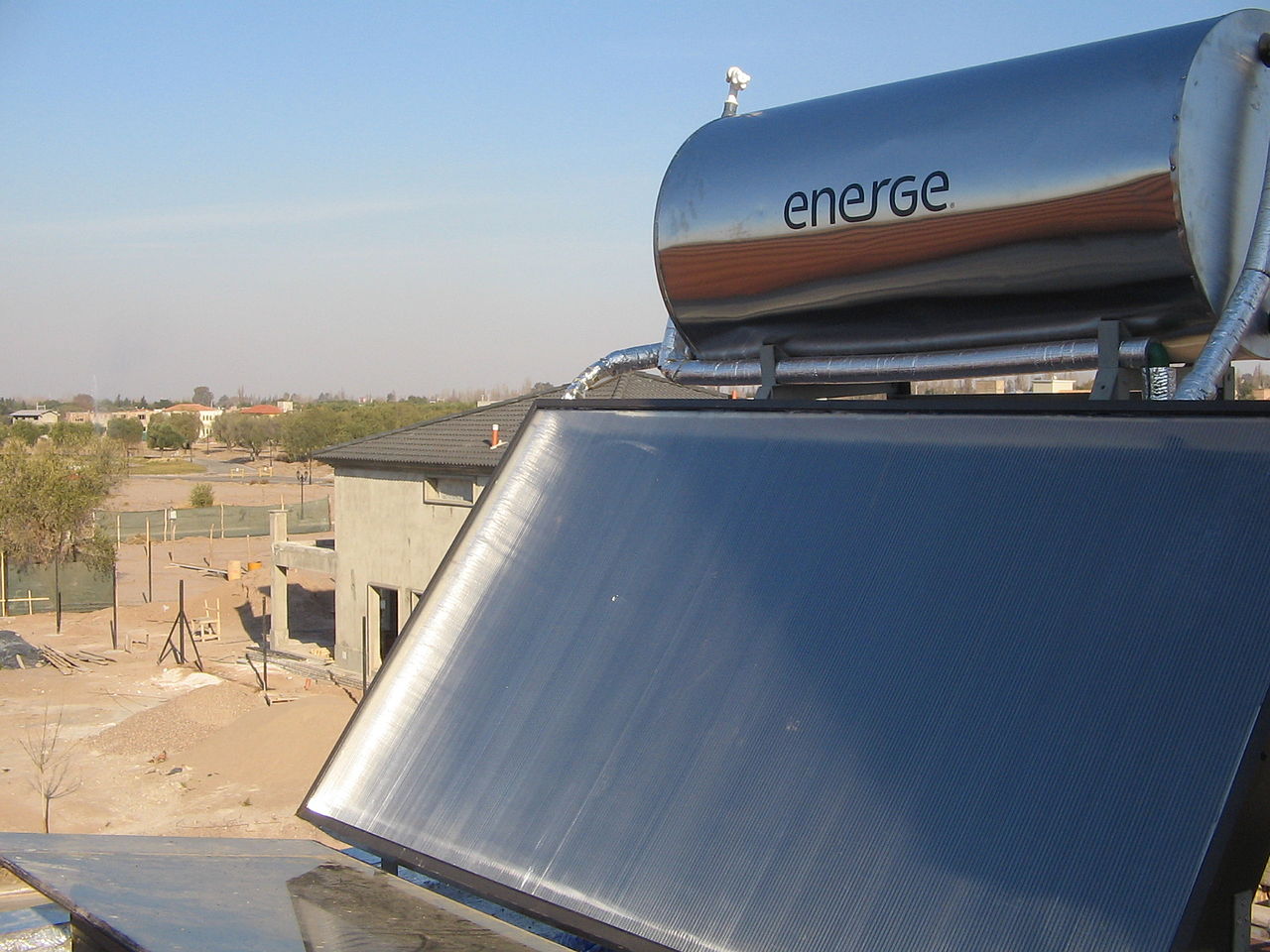
Solar thermal systems absorb or concentrate solar radiation and transfer that energy to a working fluid. Low-temperature systems (flat-plate or evacuated-tube collectors) heat water or a glycol mixture for domestic use. Concentrating systems—parabolic troughs, solar power towers, dish concentrators and Fresnel lenses—use mirrors or lenses to focus direct sunlight and raise temperatures much higher than flat collectors. The heat transfer fluid may be water/steam, thermal oil, or molten salt; in some small systems a pressurised gas drives a piston or Stirling engine directly. Heat can be used immediately or stored for later dispatch.
Main collector and plant types
- Flat-plate collectors: simple, robust panels for low-temperature heating and hot water.
- Evacuated-tube collectors: improved insulation to reduce losses in cooler climates.
- Parabolic troughs: curved mirrors that focus sunlight along a line to heat a receiver pipe carrying fluid.
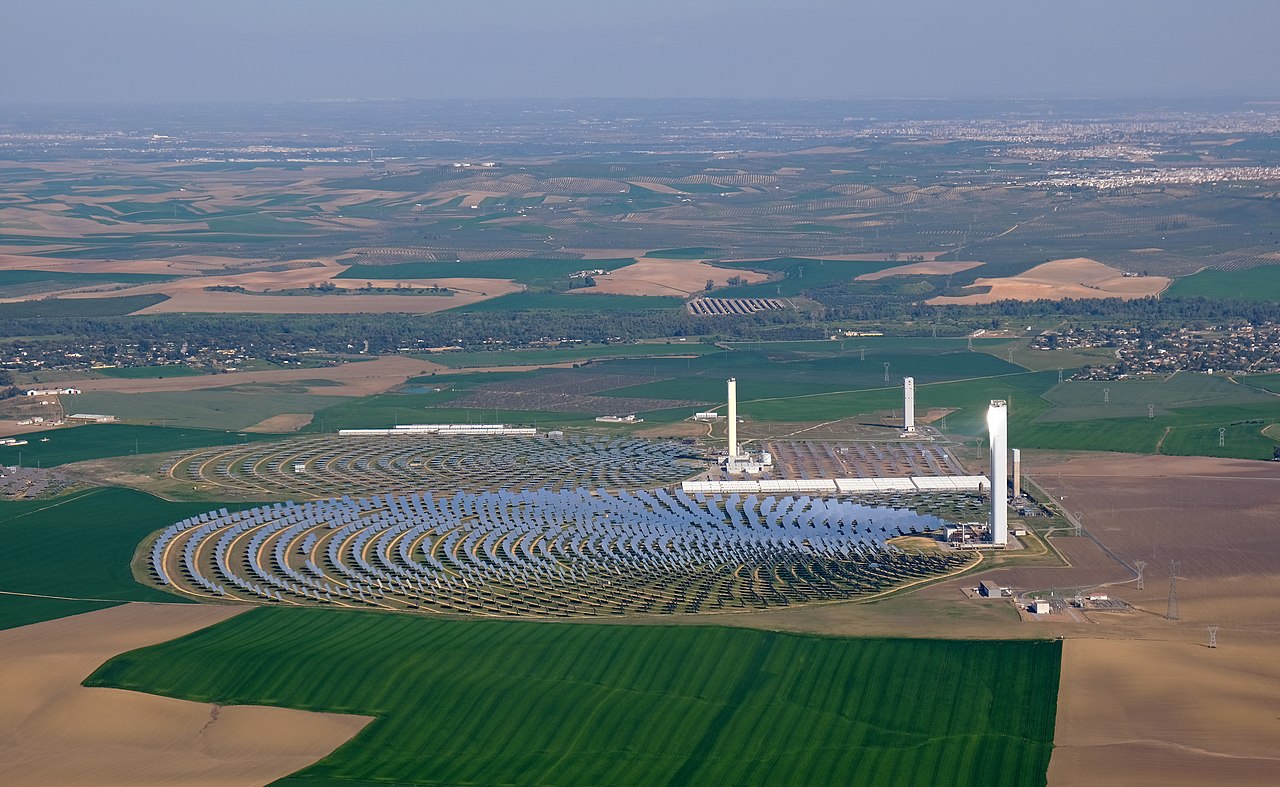
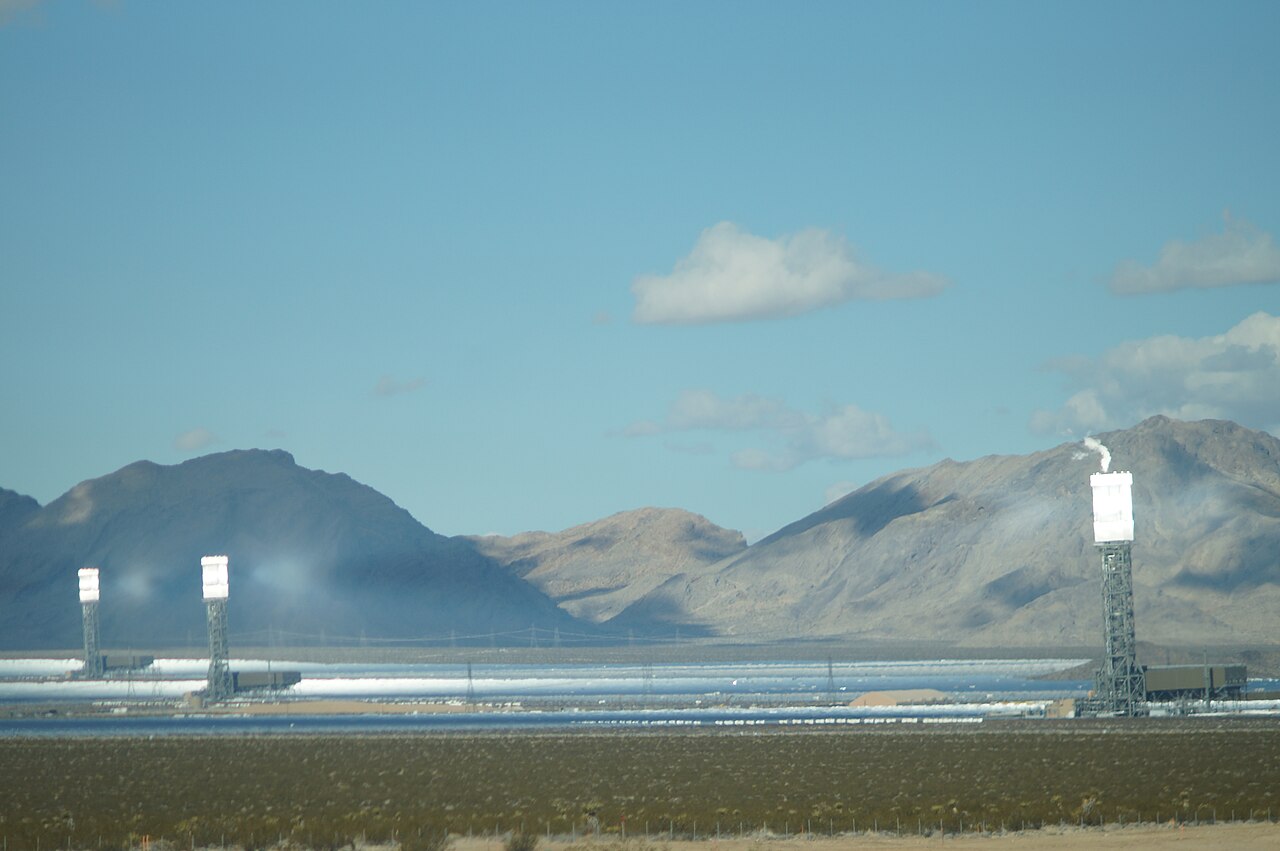
- Solar power towers: fields of heliostats reflect sunlight to a central receiver on a tower, used at large scale.
- Dish concentrators: parabolic dishes that focus light to a point; can drive small Stirling engines.
- Linear Fresnel and lens systems: compact configurations using segmented mirrors or refractive optics for concentrating light.
Thermal storage and hybridisation
One of the principal strengths of solar thermal is the ability to store energy as heat. Sensible heat stores (commonly molten salts or heated solids), latent heat (phase-change materials) and emerging thermochemical systems allow plants to continue producing heat or electricity after sunlight falls. Thermal storage enables higher capacity factors and grid-friendly dispatch. Solar thermal plants are often hybridised with conventional boilers or combined with photovoltaics and other technologies to improve reliability and utilization.
Applications
Applications span household hot water and space heating, industrial process heat, district heating and cooling (via absorption chillers), desalination and large-scale electricity generation. Low- and medium-temperature collectors are common in residential and commercial buildings, while CSP plants serve utilities and industrial sites requiring sustained heat or power. Small-scale dish-Stirling units can supply remote or off-grid loads.
Advantages and limitations
- Advantages: renewable, low emissions during operation, high-temperature capability, and relatively straightforward large-scale thermal storage.
- Limitations: concentrating systems need direct sunlight and tracking, land and water use can be significant at utility scale, upfront capital and maintenance costs are high, and economic competitiveness varies with local energy prices and the falling cost of PV.
Environmental and operational considerations
Solar thermal reduces fossil fuel consumption and lifecycle greenhouse gas emissions compared with conventional thermal generation, though manufacturing and construction entail embodied emissions. Water use for cooling and mirror cleaning, land use and impacts on local ecosystems are important siting considerations. Plant design often balances high optical efficiency, thermal losses, receiver durability and the corrosive behaviour of some heat transfer fluids.
History, examples and future directions
Thermal applications of sunlight are ancient, evolving into engineered collectors in the 19th and 20th centuries and into commercial CSP installations in recent decades. Notable modern plants use heliostat fields and tower receivers, while parabolic trough technology is widespread in earlier commercial deployments. Research priorities include higher-temperature receivers, improved thermal-storage materials, lower-cost mirrors and support structures, and combined systems that increase overall energy yield. For more on optical and reflector technologies see mirror designs and lens concentrators, and for engine-driven concentrators see materials on Stirling systems.
Solar thermal remains a versatile approach for converting sunlight into useful heat and, with appropriate storage, into dispatchable electricity. Choice of system depends on required temperatures, site solar resource, land and water availability, and economic trade-offs between capital cost, maintenance and operational savings. Further reading and technical case studies are available via the linked resources above.
Related articles
Author
AlegsaOnline.com Solar thermal energy: concentrating sunlight to produce heat and power Leandro Alegsa
URL: https://en.alegsaonline.com/art/91647