
Socotra: island of unique biodiversity and strategic location
Socotra is a Yemeni archipelago in the northwest Indian Ocean, famed for exceptional endemism, distinctive plants and fragile ecosystems; it faces conservation and political challenges in a strategic maritime location.
Overview
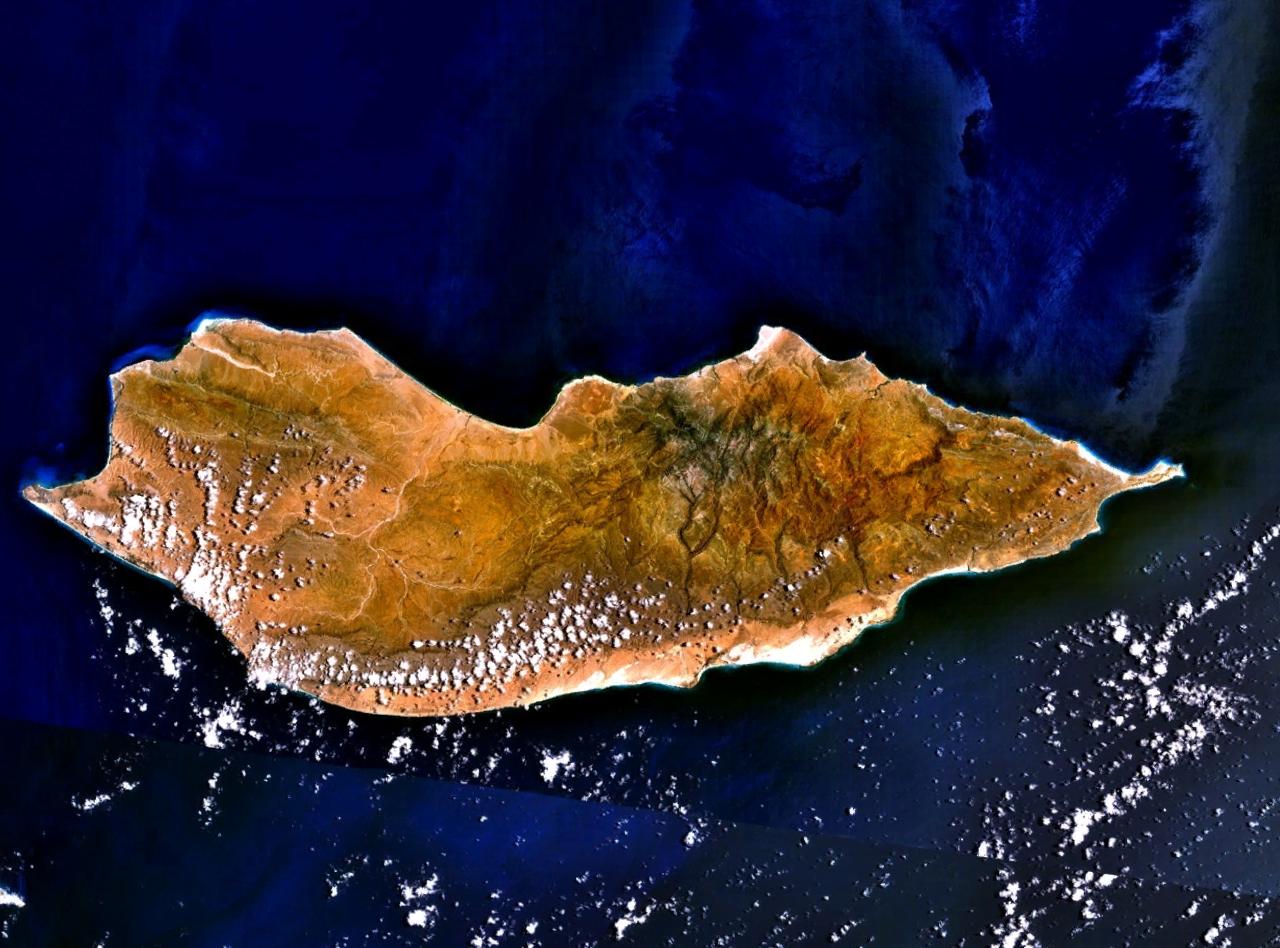
Socotra (Arabic: سُقُطْرَى Suquṭra) is the largest island of an archipelago in the northwest Indian Ocean. Located between the Horn of Africa and the Arabian Peninsula, it occupies a strategic position near major sea lanes and between the Guardafui Channel and open ocean routes. Politically Socotra is part of the Republic of Yemen, though in recent years its administration and security have been affected by wider regional dynamics and foreign deployments reported in 2018 and after in contemporary accounts.
Image gallery
10 Images




Geography and climate
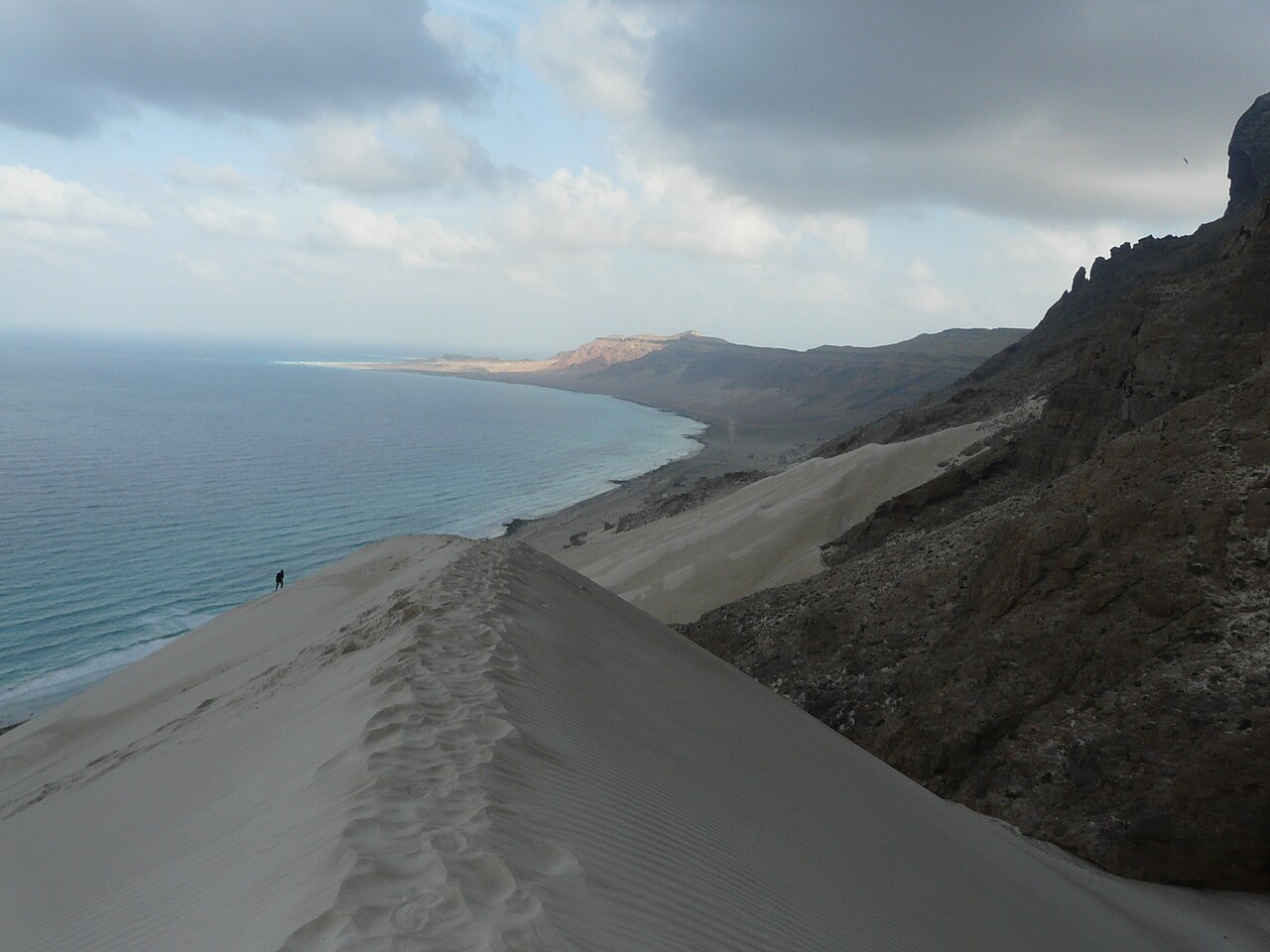
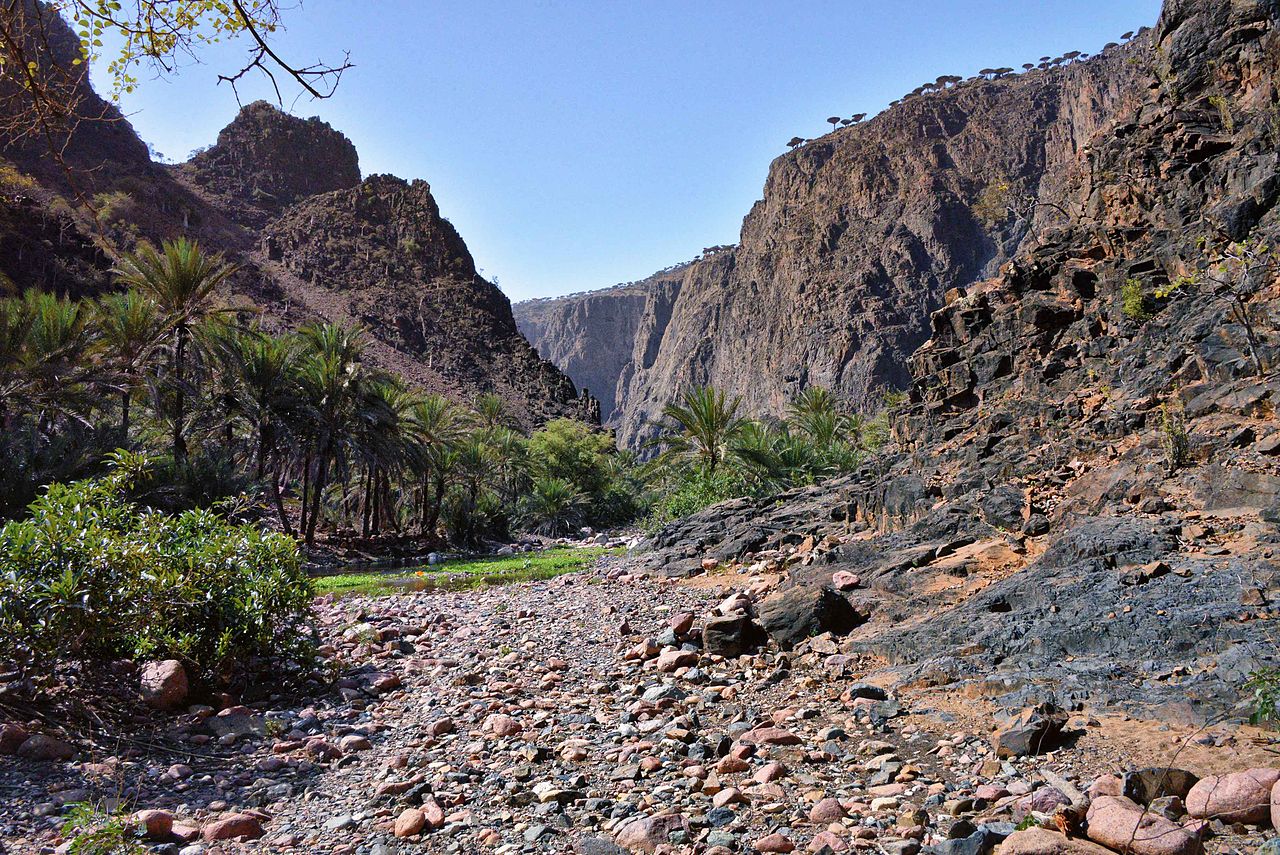
The archipelago combines coastal plains, sand-dune systems, low limestone plateaus and a rugged central highland. Soils are generally poor and rainfall is seasonal, shaped by monsoon winds and cyclonic influences. These physical conditions, plus long geological isolation, contributed to an unusual and highly localized set of habitats.
Biodiversity and ecology
Socotra is internationally noted for its extraordinary levels of endemism among plants and animals. Iconic species include the umbrella-shaped dragon's blood tree and several bottle-shaped succulents, adaptations to arid, salty and nutrient-poor conditions. The archipelago contains unique reptile and bird species, as well as specialized invertebrate communities. Its global conservation value is recognised by international bodies and its landscapes are often cited in studies of island biogeography in the regional context.
People, culture and history
Human habitation on Socotra is ancient. Local communities have preserved distinct dialects and traditions tied to pastoralism, fishing and limited agriculture. Historical trade links across the Indian Ocean influenced the culture, but isolation also produced local customs and knowledge of medicinal and utilitarian plants.
Governance, threats and conservation
- Governance: administratively part of Yemen, with governance disrupted by conflict and foreign involvement;
- Threats: habitat loss, invasive species, resource pressure, and impacts from development and military activity;
- Conservation: protected areas, scientific research and community-based measures aim to balance livelihoods and biodiversity.
Visitors and researchers are advised to respect local regulations and the ecological sensitivity of the islands. For more on the marine setting see the Guardafui Channel context here, and for broader maritime information consult sources on the Indian Ocean connections.
Related articles
Author
AlegsaOnline.com Socotra: island of unique biodiversity and strategic location Leandro Alegsa
URL: https://en.alegsaonline.com/art/91491
Sources
- en.youth.cn : "Socotra islands scenery in Yemen"
- darkroastedblend.com : "The Most Alien-Looking Place on Earth"
- middleeastmonitor.com : "Second army regiment rebels against Yemen government in Socotra"