
Sofia Province
Sofia Province (Sofia oblast) is a Bulgarian province surrounding but not including Sofia city. It covers about 7,020 km², contains major mountains and the Iskar River, and combines industry, agriculture and mountain tourism.
Overview: Sofia Province, often called Sofia oblast, is an administrative region in western Bulgaria whose administrative center is the city of Sofia, although the city itself is a separate entity. The province lies at roughly 42°40′N 23°40′E and covers about 7,020 km². It forms a ring of lowland and highland terrain around the capital and occupies a strategic position within Bulgaria.
Image gallery
8 Images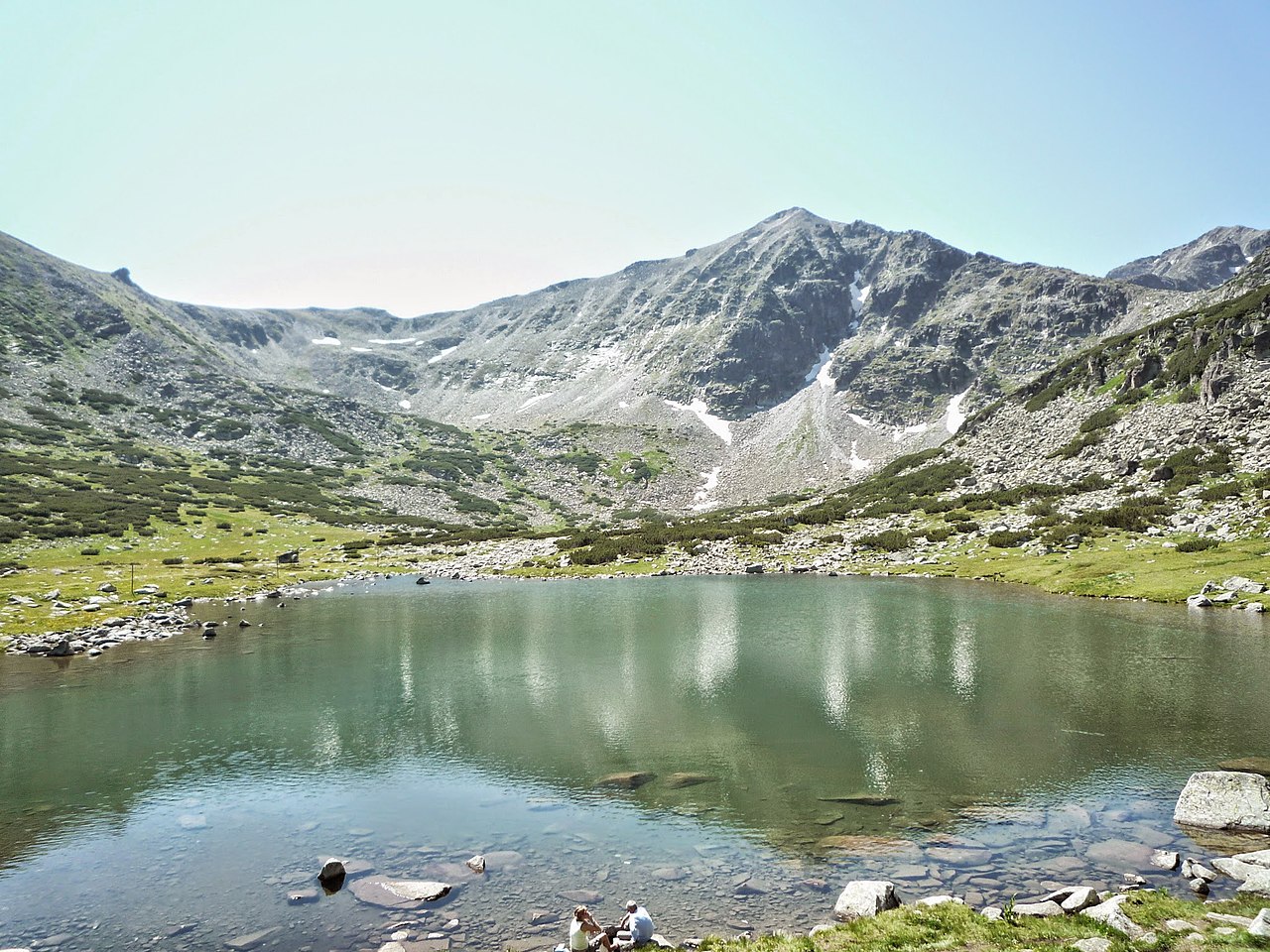


Geography and natural features
Sofia Province includes parts of several mountain systems and river valleys. The most notable ranges are the Rila Mountains, the western end of the Stara Planina (Balkan Mountains) and Sredna Gora. Rila contains Bulgaria's highest summit, Musala, and is the source of the Iskar River, the longest river that flows entirely within Bulgarian territory. The province's landscape alternates between alpine peaks, forested slopes and fertile plains, creating a variety of ecosystems and scenic areas.
Key natural features:
- Rila Mountains — glaciated peaks, alpine lakes and the headwaters of the Iskar.
- Stara Planina — ridges and passes forming a northern highland border.
- Sredna Gora — lower mountains and foothills with mixed forests.
History and development
The territory of Sofia Province has been inhabited since antiquity and has seen Thracian, Roman, Byzantine and Ottoman influence before modern Bulgarian statehood. Over the 19th and 20th centuries the area developed as a crossroads of trade and communication around the capital. Administrative boundaries have shifted over time; the contemporary oblast structure reflects modern governance while preserving many historical towns and cultural landmarks.
Administration, economy and culture
Sofia Province surrounds but does not include the separate capital municipality; administratively it comprises more than twenty municipalities organized around small towns and rural communities. Its economy mixes agriculture in the plains, forestry and mining in uplands, industrial zones near transport corridors, and an expanding tourism sector oriented to mountain recreation, winter sports and cultural sites.
Importance and notable facts
The province is important for conservation, outdoor tourism and as a hinterland supporting the capital's economy. It contains parts of several protected areas and mountain resorts, and the Iskar River valley is a key corridor for transportation and hydropower. In Bulgarian usage the term Sofia oblast is often used alongside the city name to distinguish the province from the separate capital municipality (province, oblast). Visitors commonly combine a stay in Sofia with excursions into the province for nature, cultural heritage and mountain sports. For practical maps and coordinates see the regional reference point and general country overview at Bulgaria.
Additional administrative and visitor information is available through municipal resources and regional guides; for official listings consult the province's municipal pages and national statistical summaries.
Questions and answers
Q: What are the coordinates of Sofia Province?
A: The coordinates of Sofia Province are 42°40′N 23°40′E / 42.667°N 23.667°E / 42.667; 23.667.
Q: What is Sofia Province?
A: Sofia Province is a province (oblast) of Bulgaria.
Q: Does Sofia Province include Sofia in its territories?
A: No, Sofia Province does not include Sofia in its territories.
Q: What is the administrative center of Sofia Province?
A: Despite not being part of its territories, Sofia remains the administrative center of Sofia Province.
Q: What is the size of Sofia Province?
A: Sofia Province has a territory of 7,020 km², making it the second-largest province in Bulgaria.
Q: What are the main mountain ranges in Sofia Province?
A: The main mountain ranges in Sofia Province are Stara Planina, Sredna Gora, and Rila.
Q: What is the source of the longest river that runs entirely within Bulgarian territory?
A: Rila is the source of the Iskar, the longest river that runs entirely within Bulgarian territory.
Related articles
Author
AlegsaOnline.com Sofia Province Leandro Alegsa
URL: https://en.alegsaonline.com/art/91560
Sources
- sofoblast.bg : "Geography"
- grao.bg : Population Chart as of 15 March 2009
- grao.bg : Directorate General: Civil Registration and Administrative Services
- commons.wikimedia.org : Sofia Province